How to Prevent Leaks Under a Kitchen Sink: A Homeowner’s Practical Guide
That small puddle on the cabinet floor always seems to appear at the worst possible time, but most under-sink leaks are surprisingly easy to prevent with regular, simple habits.
The key to stopping leaks is staying ahead of them. Water damage under your kitchen sink can quietly destroy cabinets, lead to mold, and cost thousands to repair if left unchecked . The good news is that a little time and know-how can help you avoid that headache entirely.
TL;DR
- Inspect under your sink regularly—check for damp spots, water stains, or musty smells every few weeks.
- Tighten or replace worn connections—supply lines, slip nuts, and washers loosen or degrade over time.
- Re-caulk around the sink to prevent water from seeping between the sink and countertop.
- Use an under-sink mat or tray to catch drips early and protect your cabinet.
- Avoid stressing pipe joints by storing heavy items safely away from plumbing connections.
Key Takeaways
- Regular visual inspections are your first line of defense against hidden leaks .
- Water supply lines can crack or bulge—flexible braided steel hoses are more durable than older plastic lines .
- Silicone sealant creates a longer-lasting, more waterproof seal around drains than traditional plumber’s putty .
- An under-sink mat with raised edges can contain up to 3 gallons of water from a slow leak .
- Re-caulking the sink edge every few years prevents water damage to cabinets and countertops .
The Real Causes Behind Under-Sink Leaks and How to Prevent Them
Most under-sink leaks come from a handful of common weak points. By knowing what to look for, you can stop problems before they get serious.
Regular Inspection is Your Best Tool
The most effective prevention habit is also the simplest. Open the cabinet under your kitchen sink every few weeks and take a close look .
What to check:
- Dampness or water stains on the cabinet floor
- Musty odors or signs of mold
- Warped or bubbling laminate on the cabinet base
- Mineral deposits (white or greenish crust) around pipe joints and fittings
A small drip that goes unnoticed can quietly rot your cabinet and damage the floor below . Catching it early saves you money and stress.
Check and Maintain Water Supply Lines
The flexible hoses that bring water to your faucet and dishwasher are a frequent leak source. Inspect them every few months for cracks, bulges, or corrosion .
Prevention tips:
- Upgrade to braided steel supply lines—they are far more durable than older plastic or rubber ones and dramatically reduce leak risk .
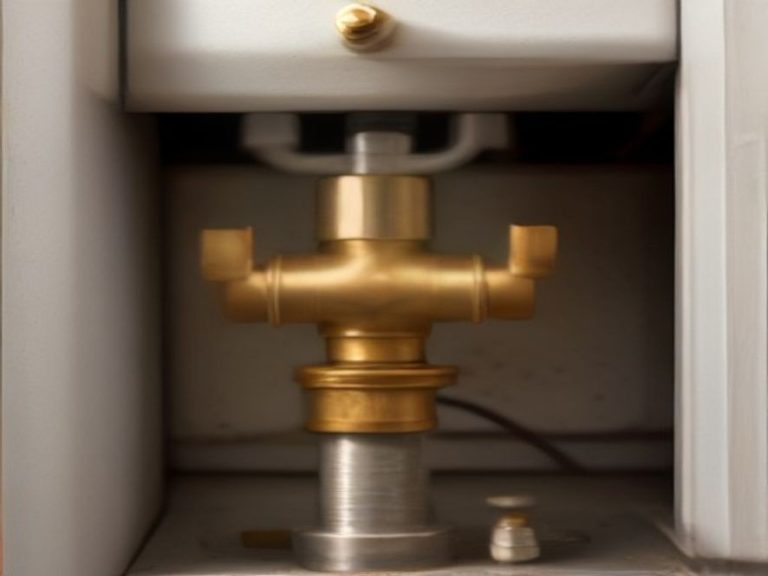
- Inspect shut-off valves for rust or signs of wear; replace them before they fail .
- Ensure connections are snug but not over-tightened, which can damage washers.
Keep the P-Trap and Drain Connections Secure
The P-trap and its slip nuts can work loose over time, often from vibration or accidental bumps. Check these connections when you inspect under the sink.
Prevention tips:
- Test for looseness by gently wiggling the trap and drain pipe joints. If they move easily, tighten the slip nuts .
- Replace worn-out washers inside slip nuts if you notice a drip—they cost pennies and are easy to swap.
- Avoid storing heavy items near pipe joints, which can stress connections .
Use the Right Sealant for Your Sink Drain
The seal around your sink drain flange can fail over time, especially if old plumber’s putty has hardened or if it was never applied correctly .
Why silicone is better than putty:
Traditional plumber’s putty works well but can degrade and damage plastic pipes . 100% silicone sealant is more durable, resists mold and mildew, and bonds to metal and plastic alike . It also creates an adhesive seal that putty cannot .
If you ever replace your drain flange, use silicone rather than putty for longer-lasting protection .
Re-Caulk the Sink-to-Countertop Seal
Water can seep between the sink rim and the countertop, trickling down into the cabinet below. This is a very common but often overlooked cause of under-sink moisture .
Prevention tips:
- Check the caulk line around your sink every year. If it is cracked, peeling, or has gaps, it is time to re-caulk .
- Use 100% silicone caulk—it is waterproof, flexible, and resists mold better than latex .
- Remove old caulk completely before applying fresh sealant for the best bond .
Fresh caulk takes up to 24 hours to fully cure, so plan your kitchen use accordingly .
Protect Your Cabinet with an Under-Sink Mat
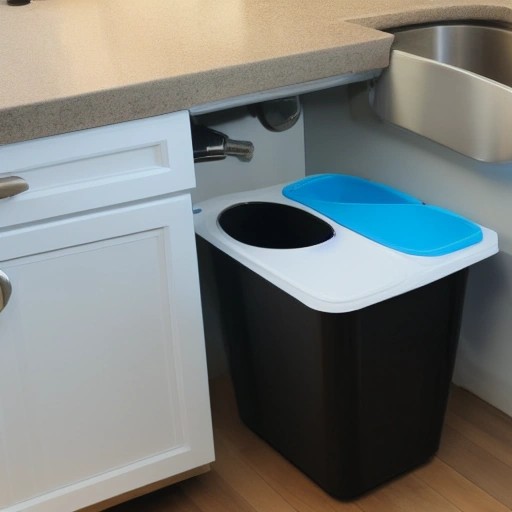
An under-sink mat is a simple, inexpensive backup plan that catches drips before they can ruin your cabinet .
Features to look for:
- Raised edges to contain water—some mats can hold several gallons of liquid from a slow leak .
- Silicone material that is easy to clean, waterproof, and resists household chemicals .
- Correct size for your cabinet—measure before you buy to ensure full coverage .
Comparison Table: Prevention Strategies at a Glance
| Prevention Method | Why It Works | How Often |
|---|---|---|
| Regular visual inspection | Catches drips, damp spots, and mineral deposits early | Every 2–4 weeks |
| Upgrade supply lines | Braided steel hoses are more durable than plastic/rubber | Every 5–10 years |
| Tighten and check connections | Keeps slip nuts and washers sealed and secure | During each inspection |
| Use silicone sealant on drains | Longer-lasting, mold-resistant, and plastic-safe | Whenever re-sealing |
| Re-caulk sink edges | Prevents water from seeping between sink and counter | Every 2–3 years |
| Install under-sink mat | Catches and contains water, protects cabinet floor | Install once; check periodically |
When to Call a Professional
Most prevention and minor fixes are DIY-friendly, but some signs mean you should call a plumber:
- Persistent dampness even after tightening connections—you may have a hidden leak inside the wall.
- Corroded or bulging supply lines that need replacement.
- Water damage or mold that has spread beyond the immediate under-sink area .
- Any problem that leaves you unsure or uncomfortable—a plumber can do a thorough inspection and fix things properly .
“Most kitchen problems come from small maintenance habits that are often ignored. A regular check for drips under the sink is an easy habit that can save you thousands of dollars in water damage.”
Frequently Asked Questions (FAQ)
How can I tell if there is a leak under my sink before I see water?
Look for musty smells, water stains on the cabinet floor, warped laminate, or white/green mineral deposits on pipe joints .
What is the best sealant for a kitchen sink drain?
100% silicone sealant is recommended because it is more durable, mold-resistant, and works on all pipe materials—unlike plumber’s putty, which can damage plastic .
How do I prevent my kitchen faucet from leaking?
Replace worn-out washers and O-rings as soon as you notice drips, and consider upgrading to a faucet with ceramic disc valves for longer life .
Can an under-sink mat really prevent water damage?
Yes. A quality mat with raised edges can contain several gallons of water from a slow leak, giving you early warning and protecting your cabinet floor .
How often should I re-caulk around my kitchen sink?
Every 2 to 3 years, or whenever you see cracks, gaps, or peeling in the current caulk line .
Why is my cabinet base swelling under the sink?
Swelling wood is a sign of a slow, ongoing leak. Check all pipe connections and the sink seal—and place an under-sink mat to protect the area once it is dry .
Keeping your under-sink area dry is mostly about consistent, simple habits. Regular inspections, timely maintenance, and a couple of protective upgrades go a long way. By staying ahead of small drips, you can avoid big repairs and keep your kitchen in great shape.
Which kitchen problem do you want solved next? Share your thoughts in the comments.
Learn more about kitchen maintenance and plumbing care from trusted sources: