How to Tell If a Kitchen Sink Problem Is in the P-Trap or Main Drain: A Simple Diagnostic Guide
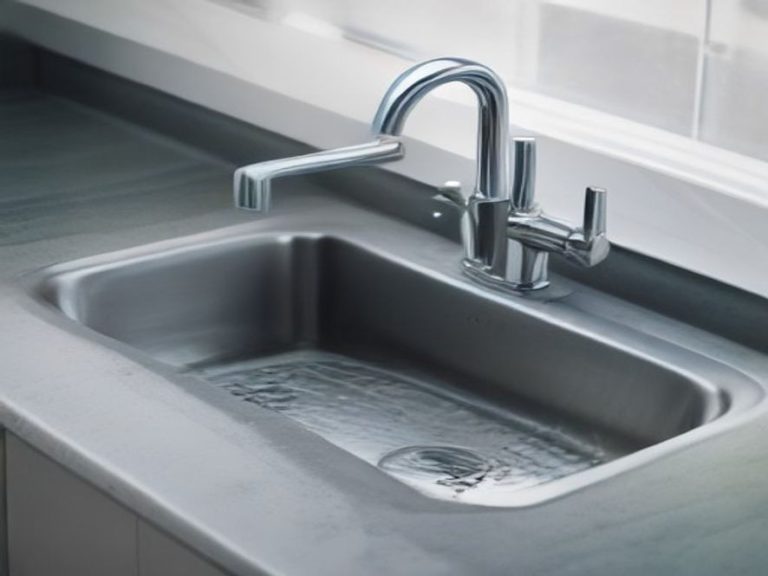
Water is pooling in your sink, and you are trying to figure out whether a quick DIY fix will solve it or if you need to call a professional plumber.
The good news is that your kitchen sink gives you clear clues about where the problem lives. By watching what happens and testing a few things, you can figure out if the clog is in the P-trap—that U-shaped pipe right under your sink—or deeper in your main drain line.
TL;DR
- If only the kitchen sink is affected, the problem is likely in the P-trap or a branch line close to the sink.
- If other fixtures are slow or gurgling, the issue is probably in the main drain line that serves your whole house.
- Cleaning the P-trap fixes about 80% of kitchen sink clogs .
- Gurgling sounds from other drains when you run the sink point to a venting problem or a main line blockage.
- If water backs up into the dishwasher or tub, you are dealing with a deeper blockage that may need professional help.
Key Takeaways
- The P-trap is the curved pipe under your sink that holds water to block sewer gas and catches debris before it reaches the main line .
- A local clog affects only one fixture and is usually caused by grease, food scraps, or soap buildup near the sink .
- A main drain clog affects multiple fixtures because all your drains share that single pipe leaving the house .
- If you flush the toilet and the kitchen sink gurgles, you almost certainly have a main sewer line problem .
- A plumber’s snake is the next step after cleaning the P-trap—if it doesn’t reach the clog, the blockage is in the main line .
The P-Trap vs. The Main Drain: How They Work
To figure out where your problem is, it helps to understand how your kitchen plumbing connects.
What the P-Trap Does
The P-trap is that U-shaped pipe directly under your kitchen sink. It does two important jobs:
- Blocks sewer gas: The water that sits in the bend creates a seal that stops smelly gases from coming up the drain .
- Catches debris: The trap catches coins, food particles, and other small objects before they can travel deeper into your plumbing .
Because it is the first stop for everything going down your sink, the P-trap is the most common place for clogs to form .
What the Main Drain Does
The main drain line is the large pipe that collects wastewater from every fixture in your home—kitchen sink, bathroom sinks, toilets, showers, and washing machine—and carries it out to the city sewer or your septic tank .
If something blocks this main line, wastewater from all those fixtures has nowhere to go. This is why a main line clog often affects multiple drains at once .
The Symptom Test: Local P-Trap Clog vs. Main Drain Problem
Here is a simple diagnostic guide to help you tell the difference.
| Symptom | Likely Location | What It Means |
|---|---|---|
| Only the kitchen sink drains slowly | P-Trap or local branch line | The clog is between the sink and where the pipe meets the main line. Usually an easy DIY fix . |
| Both sides of a double sink are clogged | Branch line past where the two basins connect | The blockage is below the junction of the two sink drains but still in the kitchen’s branch line . |
| The kitchen sink is slow, and the dishwasher is also backing up | Branch line or main drain | The shared drain pipe that serves both appliances is blocked, or the main line is partially clogged . |
| You run the sink and the toilet gurgles or bubbles | Main sewer line | Water draining from one fixture is pushing air through the path of least resistance—this is a classic main line symptom . |
| Multiple fixtures are slow or backing up (kitchen, bathroom, tub) | Main sewer line | The main drain is blocked. All fixtures share this line . |
| Water backs up into the lowest drain (basement floor drain, tub) | Main sewer line | The main line is completely blocked, and wastewater is seeking the lowest escape point . |
| Foul sewer smell from multiple drains | Main sewer line or venting issue | Waste is pooling in the main line and gases are escaping through the path of least resistance . |
Step-by-Step Test to Confirm the Problem
Here is a practical way to figure out exactly where the clog is hiding.
Step 1: Is It Only the Kitchen Sink?
What to do: Check if water is draining slowly in any other sinks, tubs, or toilets in your home .
What it means:
- Only the kitchen sink is affected: The problem is local. It is likely in the P-trap or the branch pipe that connects the sink to the main line .
- Other fixtures are also slow or backing up: The problem is in the main drain line. Call a professional .
Step 2: Perform the P-Trap Removal Test
This is the most reliable way to tell if the clog is in the trap or somewhere deeper .
What to do:
- Place a bucket under the P-trap.
- Loosen the slip nuts and remove the trap .
- Check if water and debris rush out.
What it means:
- A lot of debris and water rush out: Your P-trap was clogged. Clean it out, reinstall it, and run water. If it drains fine, you fixed the problem .
- Only a few drips come out: The P-trap is clear. The blockage is further down the pipe .
- After reassembling, the sink still backs up immediately: The clog is past the P-trap. You will need a snake or a professional .
Step 3: Try a Drain Snake
If the P-trap was clear or the sink still backs up, the clog is in the horizontal pipe that runs from your sink to the wall .
What to do:
- With the P-trap removed, feed a drain snake (or auger) into the pipe that goes toward the wall .
- Rotate the snake as you push it forward.
- When you feel resistance, move it back and forth to break up the clog .
What it means:
- You clear the blockage and the sink drains: The problem was in the branch line. Good job.
- The snake goes in 15-25 feet without hitting anything, and the sink still backs up: The clog is deeper, likely in the main line . This is when you call a plumber.
Step 4: Listen for Gurgling from Other Fixtures
What to do: Run water in the kitchen sink and ask someone to listen near the bathroom toilet or tub drain .
What it means:
- You hear gurgling or bubbling: The main line is partially blocked. Water cannot flow freely, so it is pushing air up through other drains as it drains . Call a plumber.
Comparison Table: P-Trap vs. Main Drain Clog
| Feature | P-Trap Clog | Main Drain Clog |
|---|---|---|
| Which fixtures are affected | Only the kitchen sink | Multiple fixtures (kitchen, bath, tub) |
| Common cause | Grease, food scraps, debris | Tree roots, heavy paper, deep grease buildup |
| Typical symptom | Water drains slowly or not at all | Gurgling toilets, water backing up in tubs, sewage smell |
| DIY fix? | Yes—clean the P-trap | No—requires professional equipment |
| Symptom test | Trap removal test (water and debris rush out) | Multiple fixtures affected; toilet gurgles when sink runs |
“Most kitchen problems come from small maintenance habits that are often ignored. A regular check for drips under the sink is an easy habit that can save you thousands of dollars in water damage.”
What to Do Next
- If the P-trap was clogged: Clean it out, reassemble it, and flush with hot water. Run the disposal with cold water and ice cubes to clean the grinding chamber .
- If the branch line was clogged but you cleared it: You are done. Consider a regular monthly maintenance flush with baking soda and vinegar to prevent future buildup .
- If you suspect a main drain clog: Stop using all water if possible—continuing can cause sewage to back up into your home . Call a licensed plumber who can use a camera to inspect and clear your main line .
Frequently Asked Questions (FAQ)
How can I tell if a kitchen sink clog is in the P-trap?
Remove the P-trap and check if it is full of debris. If water and gunk rush out when you take it off, the trap was clogged .
What happens if the P-trap is clear but the sink still won’t drain?
The clog is further down the pipe—in the horizontal branch line or the main drain line. You will need a drain snake or a professional .
Why does my toilet gurgle when I run the kitchen sink?
This is a classic sign of a main drain line blockage. The water from the sink cannot flow freely, so it pushes air up through the toilet trap as it drains .
Can a main drain clog affect only the kitchen sink?
Rarely. A main line clog usually affects multiple fixtures because the line serves the whole house . However, a partial main line clog might only back up into the kitchen at first, especially if you run a lot of water .
Is a garbage disposal clog the same as a P-trap clog?
Not always. The disposal grinds food into smaller pieces, but the grease and bits still end up in the P-trap and drain pipes. If the disposal hums but water does not drain, the clog is usually in the drain line after the disposal .
What causes a main drain line to clog?
Common causes include tree roots growing into the pipe, a collapsed pipe, heavy grease that escaped the kitchen, and non-flushable items like wipes or paper products .
Knowing whether your kitchen sink problem is in the P-trap or the main drain saves you time, money, and frustration. Start with the simple tests—checking other fixtures and removing the P-trap—and you will know exactly what to do next.
Which kitchen problem do you want solved next? Share your thoughts in the comments.
Learn more about kitchen plumbing maintenance and repairs from trusted sources: