How to Fix a Kitchen Sink That Takes Forever to Get Hot Water: Causes & Quick Solutions
You turn on the hot water to wash dishes, and you stand there waiting. And waiting. Meanwhile, perfectly good water is rushing down the drain. This frustrating kitchen problem is actually one of the easiest to understand—and fix.
TL;DR
A kitchen sink that takes too long to get hot water is almost always caused by the distance between your water heater and the sink. Cold water sits in the long pipe between uses, and your faucet has to push all of it out before hot water can arrive. Simple fixes like insulating pipes and cleaning the aerator can help, while recirculation pumps and point-of-use heaters provide near-instant results.
Key Takeaways
- Distance is the main culprit—the farther your kitchen is from the water heater, the longer the wait .
- A 50-foot pipe holds over half a gallon of cold water that must be cleared before hot arrives .
- Insulating hot water pipes can reduce wait time and deliver water 2–4°F hotter .
- A clogged aerator restricts flow, making the wait feel even longer .
- Recirculation pumps and point-of-use heaters provide the fastest, most permanent solutions .
The Real Reason Your Kitchen Sink Takes So Long to Get Hot
When you turn on the hot water, you’re not waiting for the water heater to heat up. You’re waiting for the cold water that’s been sitting in the pipe to be pushed out .
The Physics of the Delay
Hot water travels from your water heater through pipes to your kitchen sink. Between uses, that water cools down to room temperature . The next time you turn on the tap, all of that cooled water has to be flushed out before the hot water from the tank can reach you.
How much water is in your pipes?
A typical 1/2-inch pipe holds about 0.0123 gallons of water per foot. A 50-foot run holds over half a gallon of cold water that must be cleared before hot water arrives .
Other Factors That Make the Wait Worse
- Pipe diameter: A wider pipe holds more water, increasing the wait .
- Pipe material: Copper loses heat faster than PEX, meaning water cools more quickly .
- Location: Pipes running through unheated basements or crawl spaces cool faster .
- Restricted flow: A clogged aerator or low-flow faucet slows the water, extending the time needed to flush cold water out .
Step-by-Step Diagnostic Guide
Before investing in major upgrades, try these simple fixes.
Step 1: Time the Delay
- Open the hot water tap fully.
- Use your phone to time how long until the water feels hot.
- If it takes more than 30 seconds, your plumbing likely has a long run or another issue that needs addressing .
Step 2: Check and Clean the Aerator
A clogged aerator restricts water flow, making the wait feel even longer .
- Unscrew the aerator from the tip of your faucet (use pliers wrapped in tape to avoid scratching).
- Rinse the screen under running water.
- If it’s caked with mineral deposits, soak it in white vinegar for an hour.
- Reinstall and test the flow.
Step 3: Check the Water Heater Temperature
A lower water heater setting means water takes longer to feel hot at the tap .
- Check your water heater thermostat.
- The recommended safe setting is 120°F (49°C) .
- If it’s set lower, raise it slightly—but don’t go above 120°F to avoid scalding risk .
Step 4: Check the Hot Water Shut-Off Valve
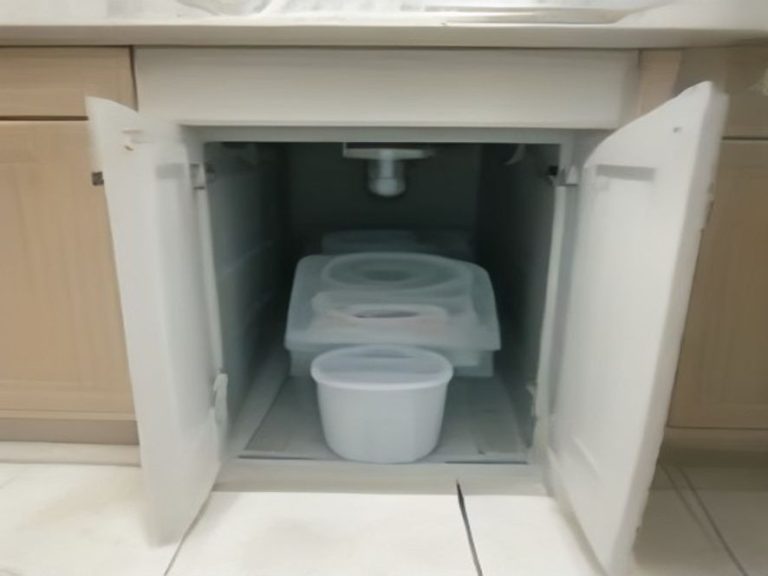
- Look under the sink and locate the valve on the hot water supply line.
- Make sure it’s fully open by turning it counterclockwise until it stops .
Step 5: Listen for Gurgling or Sputtering
If the faucet sputters or gurgles when you open it, trapped air or a venting issue could be affecting the system. If you hear this regularly, it’s worth noting and may require professional attention .
Three Solutions for Faster Hot Water
Solution 1: Insulate Hot Water Pipes
Difficulty: Easy | Cost: Low | Effectiveness: Moderate
Pipe insulation slows heat loss, keeping the water in your pipes warmer for longer . This means less cold water needs to be flushed out before hot arrives.
What to do:
- Buy foam pipe insulation sleeves from a hardware store .
- Measure your exposed hot water pipes.
- Cut the sleeves to size and wrap them around the pipes .
- Secure with duct tape at the seams .
Result: Insulating can deliver water 2°F to 4°F hotter than uninsulated pipes . This is especially helpful for pipes running through cold areas like basements or crawl spaces .
Solution 2: Install a Hot Water Recirculation Pump
Difficulty: Moderate | Cost: Medium | Effectiveness: High
A recirculation pump keeps hot water moving through your pipes so it’s always available when you turn on the tap .
Two main types:
| Type | What It Does | Best For |
|---|---|---|
| Dedicated return line system | Uses a separate pipe to return cooled water to the heater | New construction or major renovations |
| Under-sink retrofit system | Uses your cold water line as a temporary return path | Existing homes; easy to install |
The under-sink version installs a small pump and thermostatic valve under the kitchen sink. When water in the hot line cools below a set temperature, the valve opens and pushes the cooled water into the cold line until hot water arrives . These systems can be activated by timers, temperature sensors, or manual buttons .
Italicized tip: If your home already has a recirculation system but you’re still waiting, check that the pump is running (listen for a slight hum or feel for vibration)—a failed pump is a common cause of sudden long waits .
Solution 3: Install a Point-of-Use Water Heater
Difficulty: Professional installation | Cost: High | Effectiveness: Very High
A point-of-use (POU) heater installs directly under your kitchen sink and heats water instantly . It bypasses the long pipe run entirely .
Two types:
- Mini-tank: Stores 2.5 to 7 gallons of hot water for instant use .
- Tankless: Heats water on demand as it flows through .
Important: Tankless POU heaters typically require a dedicated 240-volt circuit and may have a minimum flow rate requirement to activate . Check with a qualified electrician before purchasing.
Causes & Solutions Comparison
| Cause | Diagnostic Sign | DIY Fix | When to Call Pro |
|---|---|---|---|
| Long pipe run | Consistent delay every time; other fixtures also slow | Insulate exposed pipes | Install recirculation pump or POU heater |
| Clogged aerator | Weak flow; wait feels longer | Clean or replace aerator | If aerator is damaged or missing |
| Low water heater temp | Water eventually arrives but stays lukewarm | Raise thermostat to 120°F | If heater isn’t responding or maintaining temperature |
| Partially closed valve | Hot water flow is weak; valve not fully open | Turn valve fully counterclockwise | If valve is seized or damaged |
| Faulty recirculation pump | Sudden long wait; pump silent or no vibration | Check if pump is running | Pump repair or replacement |
Frequently Asked Questions (FAQ)
Why does my kitchen sink take so long to get hot water but the bathroom is fast?
Your kitchen is likely farther from the water heater than the bathroom. The longer the pipe run, the more cold water must be flushed out .
How much water do I waste waiting for hot water?
A 50-foot pipe holds over half a gallon of water that goes down the drain before hot water arrives . Over time, this adds up—recirculation systems can save at least 10% on your water bill .
Does insulating hot water pipes really help?
Yes. Insulation slows heat loss, keeping water warmer in the pipes. It can deliver water 2–4°F hotter and reduce wait time .
What’s the easiest fix for slow hot water?
Clean the aerator and check that your hot water shut-off valve is fully open. Also, insulate any exposed hot water pipes .
Can I install a recirculation pump myself?
Under-sink retrofit systems are designed for DIY installation and use your existing cold water line as a return path . However, if you’re unsure about working with plumbing, hire a professional.
When should I call a plumber?
If you’ve cleaned the aerator, checked the valve, insulated pipes, and the wait is still over a minute, you may need a recirculation system or POU heater installed by a professional .
References
Expert Plumbing & Home Efficiency Resources for Faster Hot Water:
- Engineer Fix – Hot Water Delay Causes
- Engineer Fix – How to Get Hot Water Faster
- Home Fixer Guide – Sink Hot Water Delay Solutions
- Stiebel Eltron – Hot Water Wait Time
Which kitchen problem do you want solved next? Share your thoughts in the comments.