Why Does Water Come Back Up Into My Kitchen Sink? 6 Common Causes and How to Fix Them
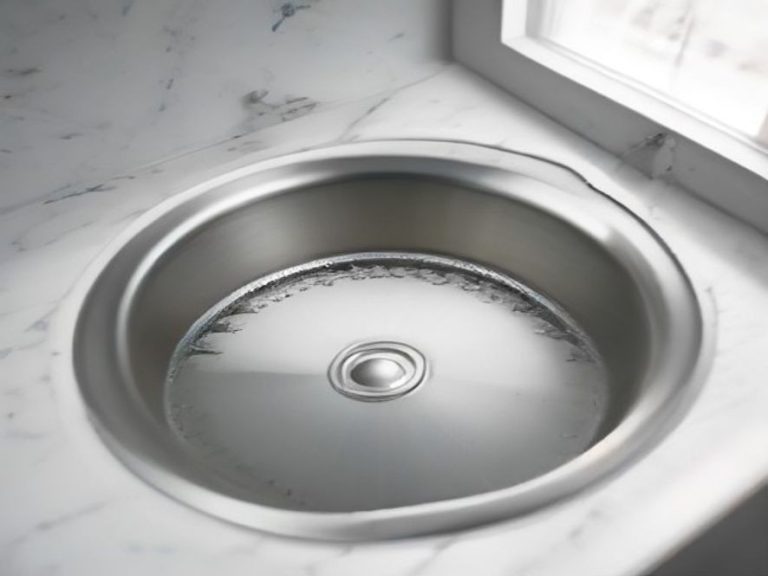
You are washing dishes, and suddenly dirty water starts rising from the drain instead of going down—this frustrating problem is usually a clear sign of a blockage in your plumbing system that needs attention.
The good news is that water backing up into your kitchen sink is a common issue with a handful of known causes. By understanding where the blockage is, you can figure out whether this is a quick DIY fix or a job for a professional plumber.
TL;DR
- The most common cause is a clogged drain line—grease, food particles, and soap scum build up over time and narrow the pipe .
- A blocked garbage disposal can prevent water from flowing through, causing it to back up into the sink basin .
- Dishwasher backups often happen when the drain hose, air gap, or disposal connection is clogged .
- If multiple fixtures are affected, the problem is likely in the main sewer line and requires professional attention .
- Venting problems can also cause backups by preventing proper airflow through the plumbing system .
The Real Causes Behind Water Backing Up
When water comes back up into your sink, it means something is blocking the normal flow of wastewater. Here are the most common culprits, organized by where the problem usually sits.
1. A Clogged Drain Line (The Most Common Culprit)
This is the number one reason water backs up in kitchen sinks . Over time, grease, cooking oil, food scraps, and soap residue accumulate on the inside of your pipes. The passage narrows gradually, and eventually water cannot flow freely .
Why you might not notice it right away: A partial clog often goes unnoticed until a large volume of water (like from a full sink or dishwasher) overwhelms the pipe. The water then finds the easiest escape route—back up into your sink basin .
How to spot it: If your sink drains slowly even when you are just running the tap, you likely have a partial clog building up .
2. A Blocked Garbage Disposal
Your disposal grinds food waste and helps push it through the drain. But it can also become a blockage point.
Common reasons:
- Food debris buildup: Fibrous foods (celery, onion skins), starchy foods (potato peels, rice), and coffee grounds can jam the blades or clog the chamber .
- Dull blades or motor issues: If the disposal cannot grind food properly, food spins around and eventually returns to the sink rather than going down .
- A new disposal with a knockout plug still in place: Many disposals ship with a plug sealing the dishwasher inlet. If this plug is not removed during installation, water backs straight up on the first dishwasher cycle .
3. Dishwasher Drainage Problems
If water only backs up when your dishwasher runs, the issue is often related to the dishwasher’s connection to the sink drain .
Common causes:
- Clogged air gap: The small chrome cylinder on the sink deck prevents dirty water from flowing back. When it is clogged, water sputters out onto the counter or backs up into the sink .
- Blocked dishwasher drain hose: Food particles, grease, and detergent residue can build up inside the flexible hose .
- Lack of a high loop: The drain hose should loop up under the counter before dropping to the disposal. Without this, water can siphon back toward the sink .
4. A Plumbing Vent Blockage
Your plumbing system needs air to allow water to flow properly. Vents typically extend through the roof, and they can become blocked by leaves, debris, or even bird nests .
What happens: When a vent is blocked, water cannot drain smoothly. This often leads to gurgling sounds, slow drainage, and backups .
5. A Main Sewer Line Backup
This is the more serious scenario. If the main sewer line that carries all wastewater out of your house becomes blocked, everything backs up .
Signs of a sewer line problem:
- Multiple fixtures (sink, toilet, tub) are backing up simultaneously
- Toilets gurgle when you run the sink or shower
- Foul sewer odors come from drains
- Sewage backs up into the lowest drain in your home (often a basement floor drain)
Common causes of sewer line clogs: Tree roots growing into pipes, collapsed pipes, or heavy grease accumulation that escaped the kitchen .
6. Improperly Installed or Damaged Pipes
Sometimes the problem is not a clog but the pipework itself. Poor alignment, corrosion, or shifted pipes can restrict flow and lead to recurring backups . For example, if your kitchen and laundry share a main drain line, a blockage anywhere along that line can cause backups in both spaces .
Comparison Table: Sink Backup Causes and How to Spot Them
| Symptom | Likely Cause | What to Try First |
|---|---|---|
| Only the sink drains slowly | Partial drain clog from grease or food | Plunge; use baking soda and vinegar; snake the drain |
| Water backs up only when dishwasher runs | Clogged disposal, air gap, or drain hose | Clean the air gap; check the disposal; inspect the drain hose loop |
| Disposal hums but water won’t drain | Jammed disposal or downstream clog | Use the Allen wrench under the unit to free the flywheel; press reset |
| Multiple fixtures back up | Main sewer line clog | Call a plumber immediately |
| Gurgling sounds and slow drainage | Venting problem or partial clog | Check for vent blockages; call a plumber for a camera inspection |
Step-by-Step Fix Guide
Here is a simple approach to tackling the problem, starting with the easiest fixes.
Step 1: Try a Plunger
For a basic clog, a plunger can often do the trick.
- For a double sink: Seal the non-disposal side completely with a stopper or wet rag .
- Use a cup-style plunger over the drain opening and plunge vigorously .
- Run hot water after to flush away loosened debris.
Step 2: Use Natural Cleaners
If plunging does not work, try a natural cleaning method. Harsh chemical drain cleaners can damage your pipes and are dangerous for plumbers to work with .
- Pour ½ cup of baking soda down the drain .
- Follow with 1 cup of white vinegar. The fizzing reaction breaks down grime .
- Let it sit for 15 minutes.
- Flush with boiling water (or very hot tap water for PVC pipes) .
Step 3: Check the Garbage Disposal
If the disposal seems to be the issue:
- Safety first: Turn off the power to the disposal at the switch and unplug it. For extra safety, turn off the breaker .
- Use a flashlight to look for visible obstructions (like a piece of silverware). Use tongs or pliers to remove it .
- Manual crank: Find the hex-shaped socket on the bottom of the disposal. Insert the Allen wrench and rotate it back and forth until the flywheel turns freely .
- Press the reset button (usually a red button on the bottom or lower side) .
- Restore power and run cold water while turning on the disposal to test it .
Step 4: Clean the P-Trap
The P-trap is the U-shaped pipe under your sink. It is designed to catch debris and is a common blockage point .
- Place a bucket under the trap to catch water and debris.
- Loosen the slip nuts and remove the trap.
- Clean it out thoroughly with a brush and hot soapy water.
- Reassemble and run water to check for leaks.
Step 5: Call a Professional
If you have tried the steps above and the problem persists—especially if multiple fixtures are affected—call a plumber. They have the right tools, including professional drain snakes and video cameras, to find and remove the blockage safely .
“Most kitchen problems come from small maintenance habits that are often ignored. A regular check for drips under the sink is an easy habit that can save you thousands of dollars in water damage.”
Frequently Asked Questions (FAQ)
Why does my kitchen sink back up when the dishwasher runs?
This usually means the dishwasher’s drain hose, air gap, or connection to the garbage disposal is clogged. The water has nowhere to go but back into the sink .
What is the most common cause of water backing up in a kitchen sink?
The most common cause is a clogged drain line from grease, food scraps, and soap residue building up over time .
How do I fix a sink backing up?
Start with a plunger. If that does not work, try baking soda and vinegar. If the problem continues, clean the P-trap or check the garbage disposal. Call a plumber for deeper clogs.
What does it mean if multiple drains in my house back up?
It often means there is a clog in the main sewer line that serves the entire house . This is a serious problem and requires a professional plumber.
Why should I avoid chemical drain cleaners?
Chemical drain cleaners are corrosive and can damage older pipes. They also usually only melt a small path through the clog rather than fully removing it .
Water backing up into your kitchen sink is almost always a sign of a blockage somewhere in your plumbing. By paying attention to which fixtures are affected and what triggers the backup, you can often pinpoint the cause and take the right action.
Which kitchen problem do you want solved next? Share your thoughts in the comments.
Learn more about kitchen plumbing maintenance and repairs from trusted sources: