Why Does My Kitchen Smell Bad When the Dishwasher Runs? A Complete Troubleshooting Guide
You load the dishwasher, hit start, and instead of the fresh scent of clean dishes, a foul odor slowly creeps through your kitchen, turning a simple chore into a nose-wrinkling mystery.
If this scenario hits a little too close to home, you’re not alone. A stinky dishwasher is one of the most common (and frustrating) kitchen problems. But here’s the good news: In almost every case, you can fix it yourself with a few simple steps and a little time.
TL;DR
A smelly dishwasher is typically caused by trapped food particles, a dirty filter, or standing water in the drain. These issues allow bacteria and mold to grow. The solution involves cleaning the dishwasher filter, running a cleaning cycle with vinegar or baking soda, and checking the drain hose for clogs or improper installation. Regular maintenance prevents the problem from returning.
Key Takeaways
- Clean the Filter: The filter traps food debris, and if it’s not cleaned, it will decompose and create a musty or rotten smell .
- Vinegar and Baking Soda Work Wonders: A hot cycle with vinegar, followed by a cycle with baking soda, is an effective and natural way to deodorize your kitchen appliances .
- Check the Drain Hose: A kinked or improperly installed drain hose can let dirty water flow back into your dishwasher .
- Don’t Forget the Garbage Disposal: If your kitchen sink shares a drain with the dishwasher, a clogged disposal can cause odors to back up into the machine .
- Run Maintenance Cycles: Even “self-cleaning” filters need a monthly maintenance wash to prevent grease and soap scum buildup .
The Real Causes Behind That Rotten Smell (And How to Fix Them)
The dishwasher is a perfect storm for bacteria. It’s warm, wet, and has a constant supply of food (from your dirty dishes). When things go wrong, that combination produces a very distinct and unpleasant odor.
Let’s break down the most common culprits and how you can banish that smell for good.
Why Your Dishwasher Smells Like Rotting Food or Sewage
The most common source of a bad smell is neglected maintenance. Here are the typical suspects:
1. A Clogged or Dirty Filter
Your dishwasher has a filter at the bottom designed to catch large food particles. If you never clean it, those bits of food break down, creating a nasty, musty smell. “When food particles get trapped in the filter, the water can’t drain properly, and after sitting there for a while, it starts to smell” . This is the #1 reason for a stinky dishwasher .
2. A Clogged Drain Hose or Air Gap
If the smell is more like sewage, the issue might be in your pipes. If the drain hose is kinked or installed without a “high loop” (an upward bend), dirty water from the kitchen sink can flow back into the dishwasher . This leads to standing water and that dreaded sewer smell .
3. Bacteria in Standing Water
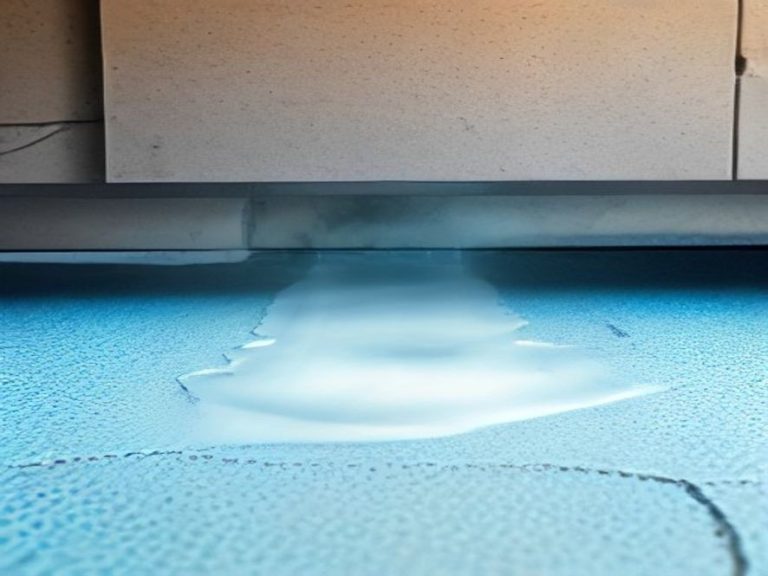
Sometimes, water simply doesn’t drain fully at the bottom of the dishwasher. This can be due to a clog, a faulty pump, or a kinked hose. This stagnant water becomes a breeding ground for bacteria, which releases a foul odor .
4. Grease and Soap Scum Build-up
Over time, grease and detergent residue can build up on the interior walls and spray arms. This sticky film traps food particles and creates a perfect surface for mold and mildew to grow, leading to a persistent musty smell .
5. A Dirty Garbage Disposal
If your dishwasher drains into the same pipe as your garbage disposal, a clogged or dirty disposal can cause odors to be pushed back into the dishwasher and up into your kitchen sink .
Your Step-by-Step Dishwasher Smell Fix Guide
Don’t panic! This is almost always a problem you can solve yourself. Follow these steps in order, and you’ll likely find the source and eliminate the smell.
Step 1: Clean the Dishwasher Filter
- Locate the Filter: Open the dishwasher and remove the bottom rack. You’ll find the filter at the bottom of the tub, usually a cylindrical or flat piece that twists or pulls out .
- Scrub It Clean: Rinse it under warm water and use a soft brush or sponge to scrub away all the gunk and food particles. For a really dirty filter, soak it in warm soapy water before scrubbing .
- Pro Tip: Regularly cleaning the filter prevents grease buildup and bad odors. You should aim to do this at least once a month .
Step 2: Run an Empty Cleaning Cycle
Once the filter is clean, it’s time to deep clean the interior.
- The Vinegar Method: Place a dishwasher-safe bowl or cup filled with one cup of white vinegar on the top rack. Run the dishwasher on the hottest, longest cycle with no detergent and no dishes. The vinegar works as a natural disinfectant and degreaser, dissolving mineral deposits and grime .
- The Baking Soda Method: After the vinegar cycle finishes, sprinkle about one cup of baking soda across the bottom of the empty dishwasher. Run a short, hot rinse cycle. The baking soda will neutralize any lingering odors .
Step 3: Check the Drain Hose and Garbage Disposal
If the smell is still there after deep cleaning, you need to look under the sink.
- Inspect the Drain Hose: The dishwasher drain hose is the corrugated tube connecting the machine to your sink drain. Look for a “high loop”—the hose should rise to the highest point under the sink before sloping down to the drain to prevent backflow .
- Clean the Garbage Disposal: If your dishwasher drains into the disposal, run the disposal with cold water to flush it. You can also deodorize it by grinding up some ice, salt, and lemon peels. “If your sink and dishwasher share a drain (or your dishwasher connects to the garbage disposal), a blockage there can send that awful smell right into your kitchen” .
Step 4: The “Lemon Fresh” Final Touch
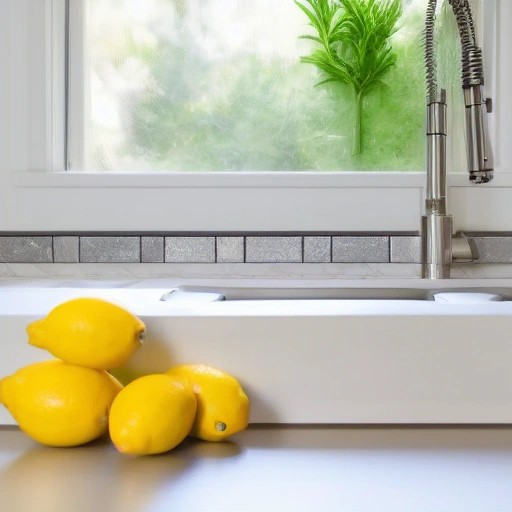
For a clean, fresh scent, try this simple trick: “Save some lemon peels and put them in a bowl on the top rack of the dishwasher. Run the dishwasher empty, except the lemon bowl, for a full cycle. Smell the lemony freshness!” . This is a great way to leave your kitchen smelling clean and bright.
Product and Method Comparison
| Method / Product | Purpose | Effectiveness | Difficulty | Cost |
|---|---|---|---|---|
| White Vinegar | Disinfect, cut grease, remove odors | High | Easy | Very Low |
| Baking Soda | Neutralize odors, mild abrasive for cleaning | High | Easy | Very Low |
| Commercial Cleaner | Dissolve grease, limescale, and heavy buildup | Very High | Easy | Medium |
| Lemon Peels | Freshen and deodorize | High (for scent) | Easy | Very Low |
| Drain Snake | Remove physical clogs from the drain hose | High | Medium | Low |
| Plumber | Fix complex clogs, install/replace drain hose | Very High | Hard | High |
Understanding the Source of the Problem
Expert Insight: “Most kitchen problems come from small maintenance habits that are often ignored.”
Frequently Asked Questions About Dishwasher Smells
Why does my dishwasher smell like rotten eggs?
A rotten egg smell is usually caused by food particles trapped in the filter or drain hose that are decomposing and producing bacteria .
How do I get a bad smell out of my dishwasher?
Start by cleaning the dishwasher filter, then run an empty hot cycle with a bowl of vinegar on the top rack, followed by a cycle with baking soda sprinkled on the floor .
What is the best way to clean a smelly dishwasher?
The best method is physical cleaning of the filter combined with a chemical or natural deodorizing cycle (vinegar/baking soda) to break down grease and soap scum .
Why does my kitchen sink smell when the dishwasher is running?
This often means your dishwasher’s drain is clogged or the drain hose is improperly installed, causing dirty water to back up and release odors through the sink drain .
How often should I clean my dishwasher filter?
Unless you have a self-cleaning filter, you should clean it at least once a month. If you don’t scrape dishes well, you may need to do it more often .
Can a dirty garbage disposal cause my dishwasher to smell?
Yes. If the dishwasher and disposal share a drain line, a clogged or dirty disposal can cause odors to flow back into the dishwasher .
Is it dangerous to run a smelly dishwasher?
While a smell itself isn’t dangerous, it can indicate mold or bacteria growth. It’s best to clean it immediately for health and hygiene .
Keeping Your Kitchen Smelling Fresh
Now that you’ve banished the smell, the goal is to keep it from coming back. A little regular maintenance goes a long way.
- Scrape, Don’t Rinse: You don’t need to pre-wash your dishes, but scrape off large pieces of food. Detergent works better with a little food soil, but too much will clog the filter .
- Run the Dishwasher Regularly: This is a great tip for kitchen hygiene. “Waiting until the dishwasher is full might save a bit on your utility costs but food left on the dishes can quickly begin to smell” .
- Leave the Door Open: After a cycle is done, leave the door slightly ajar to let the interior dry out and prevent mold and mildew growth.
Which kitchen problem do you want solved next? Share your thoughts in the comments.
Trusted resources for appliance maintenance and kitchen cleaning tips: