Why Does My Kitchen Smell Like Sour Food? Common Causes and Fixes
You’ve scrubbed the counters, taken out the trash, and mopped the floors, but that persistent sour smell still lingers in your kitchen. It’s a frustrating and surprisingly common problem, but the good news is that the source is usually easy to find and fix.
That sour, tangy, or fermented odor is almost always a sign that bacteria are breaking down organic matter somewhere in your kitchen . The bacteria produce volatile compounds as they feed, and you perceive these as a sour smell . Identifying where this bacterial feast is happening is the key to fixing the problem.
Let’s go through the most common sources of a sour kitchen smell.
1. The Kitchen Sink and Garbage Disposal
Your sink and garbage disposal are prime spots for sour smells. Food particles, grease, and soap scum build up on the inside of your drainpipes, creating a sticky film called biofilm . This dark, damp environment is the perfect breeding ground for bacteria.
- Sour or Musty Odor: This is often caused by a general buildup of food residue and bacteria inside the disposal or the drainpipe . As the bacteria break down the organic matter, they release sour-smelling gases .
- You might notice the smell is stronger when you run hot water. This is because the heat softens the grease coating the pipes, releasing trapped odors .
- The Rubber Splash Guard: A very common and overlooked spot is the rubber splash guard in your garbage disposal. Food and grease can get trapped on its underside, making it a hidden source of odor .
🛠️ How to Fix It
- Clean the Splash Guard: First, unplug the disposal for safety. Lift the rubber splash guard and scrub its underside thoroughly with hot, soapy water and a brush . If it’s removable, take it out and wash it in the sink.
- The Baking Soda and Vinegar Method: Pour about half a cup of baking soda directly down the drain. Then, add a full cup of white vinegar . The fizzy reaction helps break down the grime. Let it sit for 15-20 minutes . Follow with a flush of boiling water to wash everything away .
- Deep Clean the Disposal: Grind a tray of ice cubes with a steady stream of cold water. The ice acts as an abrasive to knock off stuck-on food particles. For a fresh scent, follow up by grinding citrus peels . Afterwards, pour a generous amount of hot water down the drain while running the disposal.
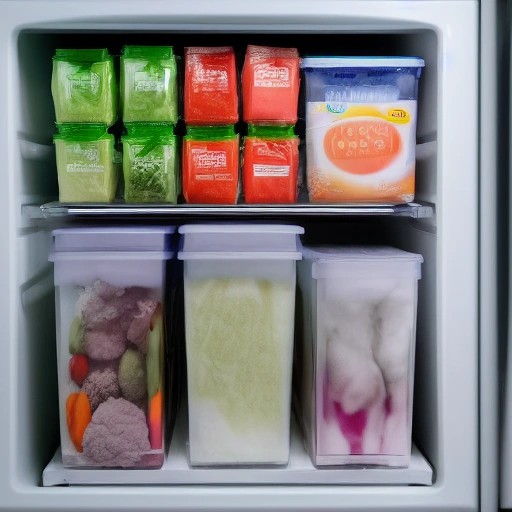
2. The Refrigerator
A sour smell in your refrigerator is a classic sign of spoiled food. It could be old leftovers, expired dairy, or forgotten produce hiding in the back of a shelf or crisper drawer .
- Dairy Spills: A sour smell, in particular, often points to milk spills or old dairy products that have gone bad. Even a small spill, if not cleaned up, can lead to a persistent sour odor .
🛠️ How to Fix It
- Find and Throw Out the Culprit: Remove everything from your fridge and check expiration dates. Give questionable leftovers a smell test—if it’s sour, pungent, or looks moldy, toss it .
- Deep Clean the Interior: Mix a solution of one quart of warm water with two tablespoons of baking soda. Use this to wipe down all shelves, drawers, and walls . For any caked-on residue, make a paste of baking soda and water, apply it, and let it sit for a few hours before scrubbing .
- Absorb Lingering Odors: Place an open box of baking soda or a small bowl of fresh coffee grounds on a shelf in the fridge. They will absorb any remaining smells over the next few hours .
3. Other Common Sources
- The Kitchen Sponge: If your sponge has a sour or musty smell, it is likely full of bacteria . Clean your sponge daily by running it through the dishwasher or microwaving it for one to two minutes (when wet). To prevent odors, replace your sponge every one to two weeks .
- A Dirty Trash Can: The inside of your trash or compost bin can absorb odors from food waste. Wash the bin itself with warm soapy water and dry it in the sun. To prevent future smells, sprinkle a layer of baking soda at the bottom of the bin before you put in a new bag .
- A Dry P-Trap: If a sink isn’t used for a while, the water in the U-shaped pipe (the P-trap) can evaporate. This breaks the seal that prevents sewer gases from coming up, which can cause a sewer-like or sour odor. Simply running water in the sink for 30-60 seconds will fix the problem by refilling the trap .
Prevention Tips
“Most kitchen problems come from small maintenance habits that are often ignored.”
- Flush weekly: Use the baking soda and vinegar method on your sink drain every couple of weeks to prevent build-up .
- Keep surfaces dry: Moisture encourages bacterial growth, so wipe up spills promptly and keep your kitchen sponge wrung out .
- Use your exhaust fan: When cooking, use your range hood fan. It will help draw airborne grease and moisture out of your kitchen before they can settle on surfaces and cause odors .
Which kitchen problem do you want solved next? Share your thoughts in the comments.
Practical Kitchen Troubleshooting Guide – Trusted Sources: