Why Does My Kitchen Smell Like Old Food Even After Cleaning?
You’ve wiped every surface, taken out the trash, and even mopped the floor—but that stale, old food smell still hangs in the air like an unwelcome guest.
TL;DR
An old food smell after cleaning usually comes from hidden grease and food particles trapped in places you can’t see, like your range hood filter, dishwasher filter, garbage disposal, or oven door seal. Porous surfaces like wooden cutting boards, unsealed grout, and even cabinet interiors absorb food odors that regular cleaning doesn’t remove. The key is to target these overlooked spots and use odor-neutralizing techniques like baking soda and vinegar.
Key Takeaways
- Grease and food residue coat surfaces you can’t see, like inside vents and drain pipes
- Porous materials absorb cooking odors and release them slowly over time
- The dishwasher filter holds decomposing food that smells just like old leftovers
- The range hood filter traps grease that turns rancid and releases stale odors
- Regular surface cleaning isn’t enough—you need to clean the hidden spots where food particles collect
Why Does My Kitchen Still Smell Like Old Food?
You’ve cleaned, but the smell remains. Here’s why:
Surface cleaning doesn’t reach the hidden spots. Counters and floors look clean, but old food odors often come from places you can’t easily see. Grease, oil, and tiny food particles get trapped in appliance filters, drain pipes, and porous surfaces where they slowly decompose .
Oils and fats turn rancid. When cooking oils and fats cool, they become sticky and coat surfaces. Over time, this residue oxidizes and develops a stale, old food smell. Rancid oil doesn’t wash away easily—it clings to surfaces and releases odors for weeks .
Bacteria are still active. Even after cleaning, bacteria can remain in damp areas. These microbes break down residual food particles and release volatile compounds that smell like rotting or old food.
8 Hidden Places That Trap Old Food Smells
1. The Dishwasher Filter
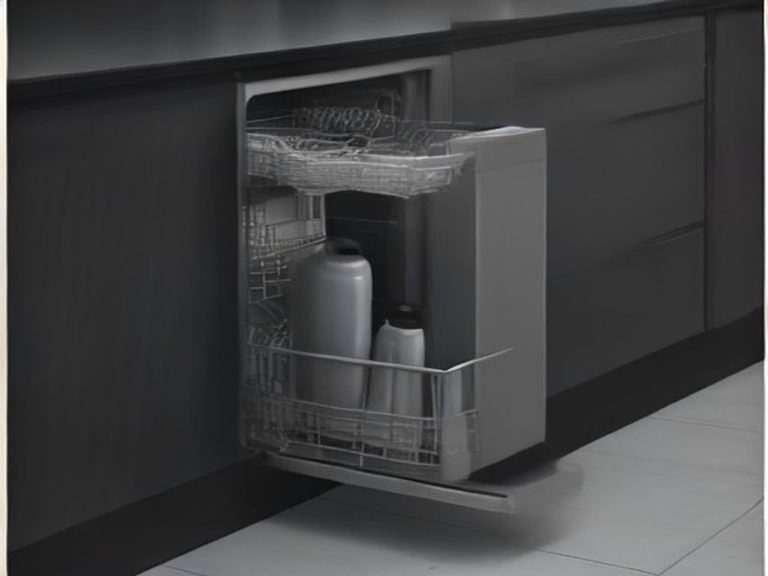
This is perhaps the most overlooked odor source in any kitchen. The dishwasher filter traps food particles to prevent clogs. But that food sits in warm, moist conditions and decomposes , creating a smell that mimics old leftovers.
How to fix: Locate the filter at the bottom of your dishwasher. Remove it, rinse it under running water, and scrub with a soft brush. Do this monthly—most people have never done it and are shocked by what comes out .
2. The Range Hood Filter
Range hoods pull grease and smoke out of the air—and trap a surprising amount of grime. Over time, this grease turns rancid and releases a stale, oily, old food smell.
How to fix: Remove the filter and soak it in hot soapy water for 15 minutes, or run it through the dishwasher if it’s dishwasher-safe. Clean it monthly.
3. The Garbage Disposal Splash Guard
The rubber flap at your sink drain traps food particles underneath it. Over time, this area becomes a slimy, smelly mess that smells exactly like old food .
How to fix: Remove the rubber splash guard and scrub it with soap and water. Also wipe the area underneath it. Grind ice cubes and citrus peels afterward to freshen the disposal.
4. The Oven Door Seal
Food particles and grease can get trapped in the crevices of the oven door seal. This area holds moisture and can develop a stale, burnt, or old food smell .
How to fix: Wipe the seal with warm soapy water using a toothbrush to get into the crevices. Dry thoroughly.
5. Wooden Cutting Boards
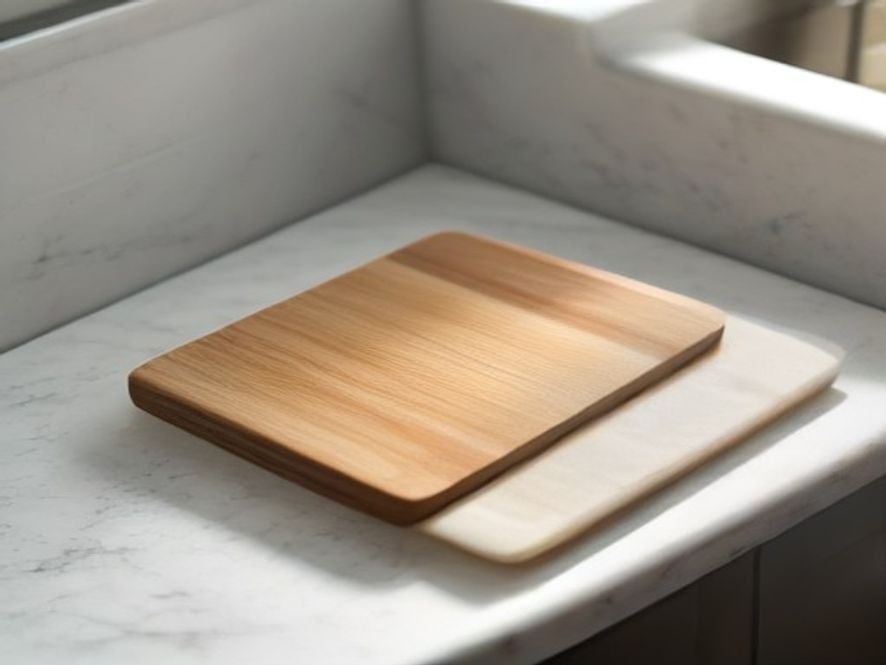
Wood is porous and absorbs food juices, oils, and odors. Even after washing, bacteria and smells can remain deep in the wood fibers.
How to fix: Sprinkle coarse salt over the board, rub with a cut lemon, let sit for 5 minutes, then rinse. For persistent odors, lightly sand the surface.
6. Tile Grout and Backsplash
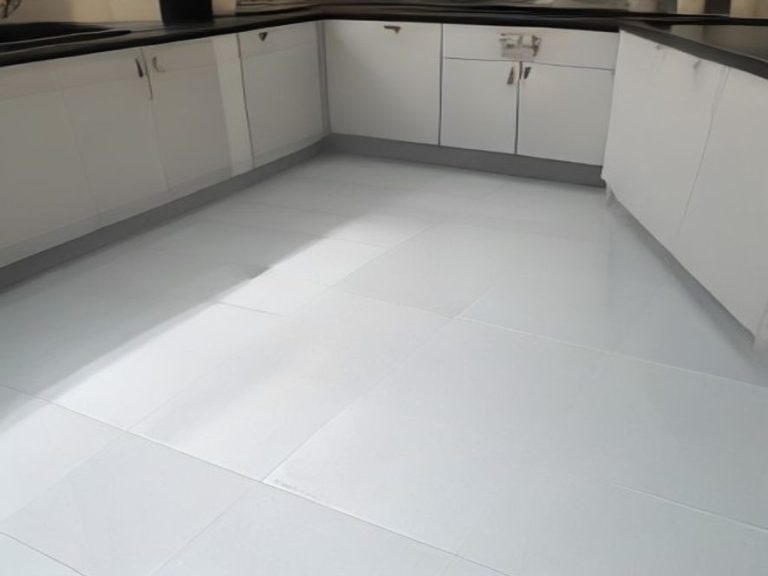
Kitchen grout absorbs spills, grease, and moisture. It’s often overlooked during cleaning and can hold onto old food odors for years .
How to fix: Scrub grout with a small brush and a paste of baking soda and water. Rinse and seal grout after cleaning to prevent future absorption.
7. Inside Cabinets and Drawers
Over time, crumbs and spills accumulate inside cabinets and drawers. These trapped particles slowly decompose and release stale odors.
How to fix: Empty cabinets and drawers, vacuum them, and wipe with a solution of warm water and mild dish soap. Leave doors open to air out.
8. The P-Trap Under the Sink
The P-trap holds water to block sewer gases. If that water evaporates or if the trap has accumulated grease and food debris, it can release odors that smell like old, decaying food.
How to fix: Run water for a minute to refill the trap. If the smell persists, remove and manually clean the P-trap.
Comparison Table: Old Food Smell Sources and Solutions
| Hidden Spot | Why It Smells Like Old Food | Easiest Fix |
|---|---|---|
| Dishwasher filter | Decomposing trapped food | Rinse and scrub monthly |
| Range hood filter | Rancid grease buildup | Soak in hot soapy water |
| Garbage disposal splash guard | Slime and food particles | Remove, scrub, grind citrus |
| Oven door seal | Trapped food and moisture | Wipe with toothbrush and soap |
| Wooden cutting boards | Absorbed food odors | Scrub with salt and lemon |
| Tile grout | Absorbed spills and grease | Scrub with baking soda paste |
| Cabinets/drawers | Trapped crumbs and spills | Empty, vacuum, wipe |
| P-trap | Accumulated debris or dry seal | Run water or clean manually |
How to Really Get Rid of Old Food Smells
Step 1: Target Hidden Spots
Work through the 8 hidden sources listed above. Most people find that cleaning just two or three of these makes a dramatic difference .
Step 2: Use Odor Absorbers
- Place an open box of baking soda in the refrigerator and near the sink
- Put coffee grounds or activated charcoal in a bowl to absorb lingering smells
- Leave white vinegar in an open bowl overnight to neutralize odors
Step 3: Deep Clean with Heat
- Boil a mixture of water, vinegar, and lemon peels on the stove for 10-15 minutes
- The steam will help neutralize airborne odors and freshen the room
Step 4: Ventilate
- Open windows and run exhaust fans for at least 30 minutes
- Fresh air circulation helps remove trapped odors
Step 5: Maintain Regularly
- Wipe spills immediately
- Clean the dishwasher filter monthly
- Run the disposal with ice and citrus weekly
“Most kitchen problems come from small maintenance habits that are often ignored.”
When to Call a Professional
- If you’ve cleaned all hidden spots and the smell persists
- If you suspect mold or water damage behind walls or under floors
- If the smell is accompanied by mustiness, peeling paint, or visible water stains
- If you notice pests like fruit flies or cockroaches—they may indicate a deeper food source
FAQ
Why does my kitchen smell like old food after I clean?
You’re probably missing hidden spots like the dishwasher filter, range hood filter, garbage disposal, or oven seal. These areas trap food particles that regular cleaning doesn’t reach .
How do I get rid of old food smell in my kitchen?
Clean the dishwasher filter, range hood filter, disposal splash guard, and oven seal. Use baking soda to absorb odors and ventilate the room .
Why does my kitchen smell like old grease?
Grease from cooking coats the range hood filter, stovetop, and even walls. This grease turns rancid and releases a stale smell. Degrease these areas regularly .
Can a dirty oven cause old food smells?
Yes. Baked-on food in the oven releases stale odors even when the oven is off. Deep clean the oven cavity with baking soda paste .
Why does my kitchen smell musty like old leftovers?
This often comes from the dishwasher filter or garbage disposal. Clean both thoroughly and the smell should disappear .
Do air purifiers help with old food smells?
Yes. A good air purifier with a carbon filter can absorb lingering food odors and improve overall air quality .
How often should I deep clean my kitchen to prevent smells?
Do a thorough deep clean of hidden spots every 3-6 months, and maintain weekly habits like cleaning the disposal and wiping down surfaces .
References
Trusted sources for kitchen cleaning and odor prevention:
- Belove Kitchen – Why Kitchen Still Smells After Cleaning
- Tasting Table – Unexpected Places to Clean in Your Kitchen
- Nine.com.au – Hidden Nasties in Your Kitchen
- Southern Living – How to Get Rid of Cabinet Smells
Which kitchen problem do you want solved next? Share your thoughts in the comments.