Why Do Small Kitchen Cabinets Feel Like They Have No Space?
You open your cabinet, and a mixing bowl falls out. The spatula is wedged behind the colander, and you can’t find the measuring spoons anywhere. Yet the cabinet isn’t even full—it’s just a mess. This is a classic small kitchen frustration, but the good news is that the problem isn’t how much space you have. It’s how you’re using it.
TL;DR
Small kitchen cabinets feel empty because of a few common mistakes: storing items far from where you use them, holding onto duplicates and rarely-used gadgets, and using storage solutions that actually waste space . In narrow kitchens, utensil crocks, rolling carts, and bulky appliances block walkways and make the space feel cramped . The fixes are simple: create task-based zones so everything has a home near where you use it, go vertical with tall pull-out pantries and toe-kick drawers, and choose clear, shallow bins that let you see everything at a glance .
The Real Reasons Your Cabinets Feel Empty
1. Items Are Stored Far from Where You Use Them
If you have to walk across your kitchen to grab a spatula every time you cook, your storage is working against you. Professional organizers say a well-designed kitchen stores tools near where they’re used—cooking utensils near the stove, prep tools near the counter, and plates near the dishwasher . When items are stored by category instead of by task, you waste steps, lose focus, and create clutter. The fix is task-based zoning.
2. You’re Holding Onto Stuff You Don’t Actually Use
Take a hard look at your cabinets. If you haven’t used that bread maker, electric hot pot, or specialty gadget in over a year, it’s stealing valuable real estate. In a small kitchen, every item must earn its spot. Store seldom-used appliances elsewhere or donate them . And that collection of mismatched storage containers with no matching lids? Let them go. Once you clear out the clutter, you’ll be amazed at how much usable space reappears.
3. You’re Using the Wrong Organizers
What works in a large kitchen can be a disaster in a small one. Professional organizers warn against these common mistakes:
- Utensil crocks on the counter: They create clutter and take up valuable workspace .
- Rolling carts in narrow kitchens: They block walkways, create visual clutter, and make the space feel smaller and more cramped .
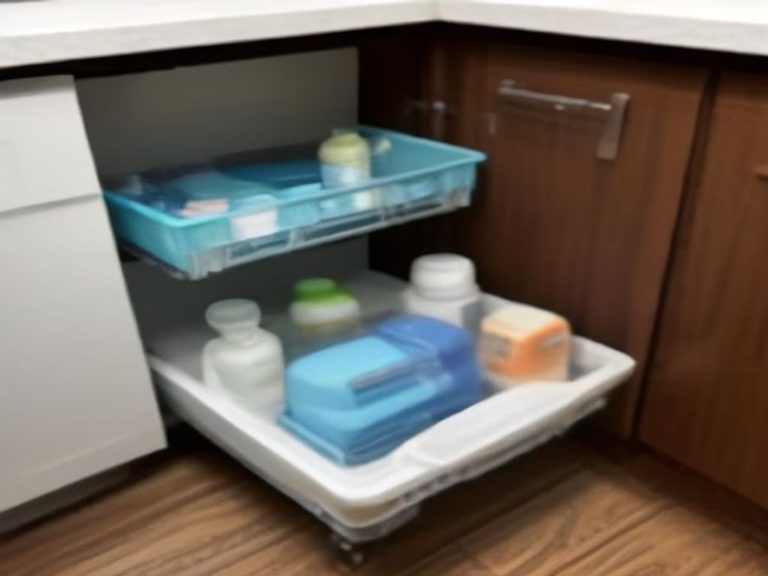
- Deep bins in cabinets: You can’t see or reach what’s at the bottom, so items get forgotten. They also encourage overbuying .
- Over-the-cabinet organizers and magnetic spice jars: They add visual clutter that makes a small space feel chaotic .
The smarter alternatives: use clear, shallow bins inside cabinets so everything is visible; keep counters clear with in-drawer utensil organizers; and choose containers with right angles (not round edges) that sit flush and don’t stick out into walkways .
4. You’re Not Using Vertical Space
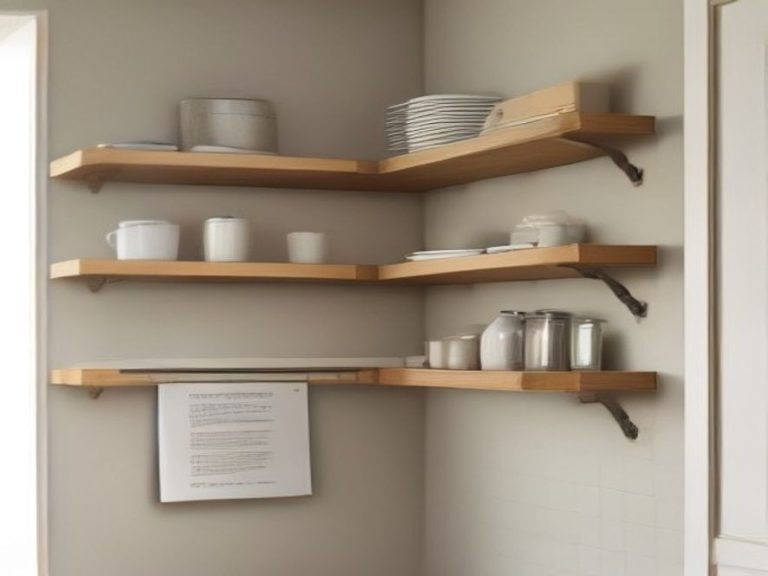
In a small kitchen, the answer to limited floor space is height. Tall cabinets that reach the ceiling maximize vertical storage without increasing your footprint. The top shelves are perfect for rarely used items like seasonal platters. But even inside existing cabinets, you can go up—shelf risers create a second tier for plates and bowls, and stackable containers let you build upward.
One of the most underused spaces is the gap between your fridge and the wall. A slim pull-out pantry, as narrow as 6 inches, can hold spices, oils, and canned goods . And don’t forget the toe-kick—that recessed space under your lower cabinets can become a drawer for flat items like baking sheets and pizza stones .
5. Your Layout Is Working Against You
Deep cabinets are notorious for hiding items in the back. Items disappear, which leads people to buy duplicates and create more clutter. The fix is to make every inch of cabinet depth accessible. Pull-out shelves, lazy Susans, and blind-corner organizers bring items from the back to the front, so nothing gets lost . In narrow cabinets, shallow drawers beat doors for accessibility—you can see and reach everything without bending .
How to Fix It: A Simple Reset Plan
| Problem | Solution |
|---|---|
| Items stored far from where you use them | Create task-based zones (prep, cooking, cleaning, storage) |
| Duplicates and rarely-used items | Declutter ruthlessly. If you haven’t used it in a year, donate it. |
| Utensil crocks on counters | Use in-drawer utensil organizers instead |
| Rolling carts blocking walkways | Store trash in a pull-out cabinet unit; use flush, right-angled containers |
| Deep bins hiding items | Use clear, shallow bins with handles so you can see everything |
| Wasted wall and gap space | Install slim pull-out pantries (6–12 inches wide) and toe-kick drawers |
| Dark cabinets making the space feel heavy | Use light colors for upper cabinets and add under-cabinet lighting |
Frequently Asked Questions
Why does my small kitchen feel cramped even though I have enough cabinets?
Most likely because your storage isn’t matched to how you actually use the kitchen. Items are stored far from where you need them, rarely-used gadgets take up prime space, and organizers block walkways instead of helping . Decluttering, zoning, and going vertical are the most effective fixes.
What’s the best storage solution for a small kitchen with no space?
Think vertical. Use tall pull-out pantries, toe-kick drawers, and narrow cabinets. In corners, use lazy Susans or blind-corner pull-outs. And don’t forget the inside of cabinet doors—slim racks and hooks can hold spices, pot lids, and wraps .
What organizers should I avoid in a small kitchen?
Avoid utensil crocks, rolling carts that block walkways, deep bins that hide items, and over-the-cabinet organizers that add visual clutter . Instead, use clear, shallow bins, in-drawer organizers, and flush, right-angled containers that don’t stick out into the room.
How do I know if I have too much stuff?
If your cabinets are so full that doors strain to close, or you have to move three items to reach one, the volume is too high . Sort items by frequency: daily, weekly, rarely, or never. Daily items deserve the easiest access; rarely used items can move to higher shelves or out of the kitchen entirely.
References
Smart Solutions for a Small Kitchen That Actually Works:
- Apartment Therapy – 9 Items You Should Never Keep in a Narrow Kitchen
- Hettich – Small Kitchen Solutions for Compact Spaces
- Jack Cooper – How to Organize a Small Kitchen Step by Step
- Coohom – Narrow Cabinets: 5 Smart Ideas
- Best Kitchenz – 13 Narrow Kitchen Cabinet Ideas
- Coohom – How to Keep a Small Kitchen Organized
A small kitchen doesn’t have to feel cramped. The problem isn’t the size of your cabinets—it’s how you’re using them. By decluttering, zoning by task, going vertical, and avoiding organizers that waste space, you can reclaim your kitchen and actually enjoy cooking again.
Which kitchen problem do you want solved next? Share your thoughts in the comments.