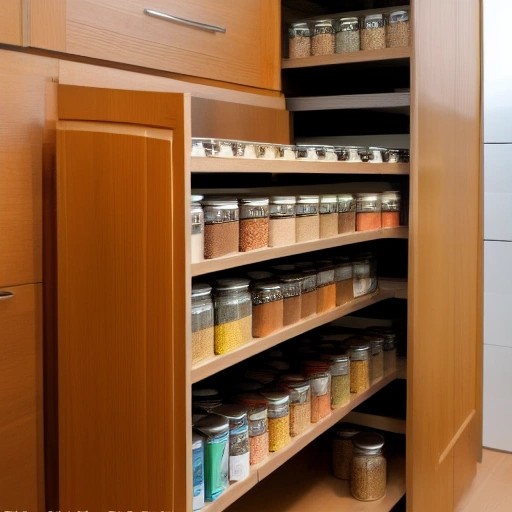
Small Kitchen Storage Problems Solved: Smart Kitchen Storage Solutions That Transform Your Cooking Space
You open a cabinet to grab a coffee mug, and three baking pans tumble out, the salt shaker falls into the sink, and you still cannot find the lid to that leftover container.
TL;DR: Small kitchen storage problems are not about square footage — they are about using the wrong solutions for your space. Most small kitchens waste vertical space, ignore cabinet doors, and treat every item the same. The fix is to use wall-mounted racks, cabinet door organizers, rolling carts, stackable containers, and tension rods in creative ways. You do not need a renovation. Most solutions cost under 30 dollars and take an afternoon to install. The result is a kitchen that feels twice as big.
🔵 Key Takeaways
- Wall space is the most underused storage area in small kitchens — pegboards and magnetic strips are game changers.
- Cabinet doors can hold spices, lids, measuring cups, and even trash bags without taking up interior space.
- A rolling cart adds both storage and counter space in a footprint smaller than a broom closet.
- Matching, stackable containers store more food in less space than mismatched boxes and bags.
- Tension rods solve awkward spaces like under-sink cabinets and narrow gaps between appliances.
The Real Causes of Small Kitchen Storage Problems and How to Solve Them
A small kitchen feels impossible because you are trying to force big-kitchen habits into a small space. You leave appliances on the counter. You stack pots inside each other. You keep every single container, even the ones without lids. These habits waste precious inches.
The real problem is not the size of your kitchen. The problem is that your kitchen storage system does not match your kitchen’s shape. A deep cabinet needs different solutions than a narrow one. A corner needs different tools than a straight wall. Once you match the solution to the space, everything changes.
Think of your kitchen like a jigsaw puzzle. Every piece of storage needs to fit exactly where it belongs. Random solutions do not work.
Why Traditional Storage Fails in Small Kitchens
Traditional kitchens assume you have a pantry, a drawer for every utensil, and a separate cabinet for pots. Small kitchens do not have that luxury. When you try to use the same methods, you end up with stacked piles, blocked access, and constant frustration.
The solution is to stop storing things in traditional ways. Hang pots instead of stacking them. Put spices on the door instead of a shelf. Use a cart instead of a permanent island. The goal is to use every surface, every inch, and every vertical foot.
“A small kitchen does not need less stuff. It needs smarter storage. The right tool turns a dead corner into a pantry and a blank wall into a spice rack.”
Step-by-Step Guide: Transform Your Small Kitchen Storage
Pick the solutions that fit your specific kitchen. You do not need to do everything at once.
Step 1: Install a Pegboard Wall
A pegboard is the most versatile storage solution for a small kitchen. A single 24-inch by 36-inch pegboard holds dozens of items that would otherwise fill multiple drawers and cabinets.
Mount the pegboard on an empty wall or on the inside of a pantry door. Use hooks to hang:
- Pots and pans
- Spatulas, ladles, and wooden spoons
- Measuring cups and spoons
- Oven mitts and dish towels
- Small wire baskets for spice packets or snack bars
For renters, use a freestanding pegboard frame that leans against the wall. No drilling required. For homeowners, screw the pegboard directly into wall studs for heavy items.
Paint the pegboard to match your wall color. It will blend in and look like a design feature, not a hardware store leftover.
Step 2: Add Magnetic Strips Everywhere
Magnetic knife strips are common, but you can use magnets for so much more. Install magnetic strips on:
Your backsplash. Hold knives, metal spice tins, and small kitchen tools. This frees up drawer space immediately.
The side of your refrigerator. Hold spice jars with magnetic lids, measuring spoons, or even a paper towel holder.
Inside cabinet doors. Hold metal measuring cups, small scissors, and jar openers.
Above your stovetop. Hold metal spatulas and tongs within reach while cooking.
Use strong neodymium magnets for heavy items. Test the grip before trusting a heavy knife to a weak strip.
Step 3: Use Every Cabinet Door
The inside of your cabinet doors is storage space you are paying for but not using. Install these organizers:
Spice rack. A clear acrylic rack mounts with adhesive strips. Holds 12 to 18 spice jars. Keeps spices visible and accessible.
Lid rack. A simple wire rack holds pot lids vertically. Mount it inside a lower cabinet door near your pots.
Measuring cup and spoon rack. Small adhesive hooks hold measuring spoons. A magnetic strip holds metal measuring cups.
Trash bag dispenser. A spring-loaded rack holds rolled trash bags, foil, wax paper, and plastic wrap. Mount inside an under-sink cabinet door.
Cutting board storage. A narrow vertical rack holds two to three cutting boards. Mount on the inside of a lower cabinet door.
Safety reminder: Do not overload door racks. Heavy items can pull the door off its hinges or cause the door to sag over time. Stick to lightweight items.
Step 4: Invest in a Rolling Kitchen Cart
A rolling cart is the single best purchase for a small kitchen. It adds storage AND counter space in one mobile unit.
Look for a cart with:
- Locking wheels (so it stays put when you need it)
- A butcher block or bamboo top (can be used for chopping)
- At least two shelves (one for storage, one for appliances)
- A towel bar (holds dish towels or paper towels)
Use the cart for:
- Extra prep space when cooking big meals
- Storing your microwave, toaster, or coffee maker
- Holding cookbooks or recipe binders
- A coffee or tea station
When not in use, roll the cart into a corner, against a wall, or even into an adjoining dining room or hallway.
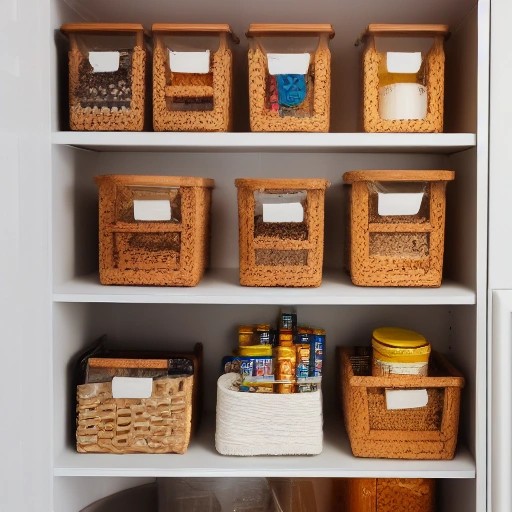
Step 5: Switch to Stackable, Rectangular Containers
Mismatched containers waste enormous amounts of space. Round containers leave gaps between them. Odd sizes do not stack neatly. Lids become a jumbled mess.
Switch to a single system of clear, rectangular, stackable containers. Use the same brand and size range so everything fits together perfectly.
Store dry goods like:
- Flour, sugar, rice, pasta, oatmeal
- Cereal, crackers, chips
- Baking mixes, dried beans, lentils
- Coffee, tea, sugar
Throw away all mismatched containers with missing lids. Keep only one complete set. You will be shocked how much space you gain.
For lids, store them together in a small bin or file organizer. Stand them upright like files in a drawer. Never stack lids on top of containers — that is why they fall everywhere.
Step 6: Use Tension Rods in Unexpected Places
Tension rods cost a few dollars and create instant storage in awkward spaces. Use them:
Under the kitchen sink. Stretch a tension rod between the two cabinet walls. Hang spray bottles from S-hooks hooked over the rod. This keeps bottles off the floor and leaves space for bins underneath.
Inside a narrow cabinet. Use two tension rods stacked vertically. Hang pot lids, cutting boards, or baking sheets between the rods.
Above the sink. Stretch a tension rod across the window. Hang small herb planters or dish towels.
Inside a deep drawer. Use a short tension rod to create a divider for measuring cups or spice jars.
Clean the cabinet walls with rubbing alcohol before installing so the rod grips better and does not slip.
Step 7: Create a Drawer System Inside Deep Cabinets
Deep lower cabinets are black holes. You cannot reach the back, so you stop using it. The solution is to turn the cabinet into a set of drawers using bins and pull-out shelves.
Use these products:
- Stackable wire bins. Pull out a bin like a drawer. Stack a second bin on top. Fill with canned goods, snack bags, or potatoes.
- Pull-out sliding shelves. Install metal slides and a wooden shelf. The entire shelf slides out, bringing the back of the cabinet to the front.
- Clear plastic drawers on casters. Roll the whole drawer out like a file cabinet. Perfect for baking supplies or bulk items.
Label each bin or drawer with masking tape and a marker. Labels mean you do not have to pull everything out to find one can of beans.
Step 8: Store Pots Upright, Not Nested
Nesting pots inside each other seems efficient, but it creates frustration. You have to unstack everything to reach the pot on the bottom. Then you have to restack everything.
Store pots upright instead:
- Line them up side by side on a low shelf.
- Use a vertical pot rack that holds pots on their sides.
- Hang them on a ceiling rack or wall pegboard.
- Use a pull-out pot organizer inside a deep cabinet.
For pot lids, store them separately on a lid rack. Mount the rack inside a cabinet door or on a wall. Never store lids on top of pots — that is what creates the falling tower of frustration.
Comparison Table: Small Kitchen Storage Solutions
| Solution | Best For | Space Gained | Installation Time | Cost |
|---|---|---|---|---|
| Pegboard wall | Pots, utensils, spices | One full cabinet of space | 1-2 hours | Low-Medium |
| Magnetic strips | Knives, metal tools | One full drawer | 10 minutes | Low |
| Cabinet door racks | Spices, lids, cutting boards | 15-20% of cabinet volume | 15 minutes | Low |
| Rolling kitchen cart | Counter space + appliance storage | 5-10 sq ft usable space | 5 minutes (assembly) | Medium |
| Stackable containers | Dry food storage | 30-50% less wasted space | 30 minutes (transfer) | Low-Medium |
| Tension rods | Under-sink, narrow cabinets | 10-15% of awkward spaces | 5 minutes | Very Low |
| Pull-out cabinet shelves | Deep lower cabinets | 50-80% of dead back space | 1-2 hours | Medium |
| Upright pot storage | Pots and pans | One lower shelf | Varies | Varies (free to medium) |
Space Efficiency by Storage Method
How to Organize Specific Small Kitchen Problem Areas
Different kitchen layouts have different challenges. Here is how to solve the most common ones.
Galley Kitchen (Two Parallel Walls)
You have narrow walkways and limited counter space. Focus on vertical storage.
- Install wall-mounted shelves on both sides above counter height.
- Use a rolling cart that fits between the two counters.
- Hang pots and pans on the ends of upper cabinets.
- Store rarely used items above the refrigerator.
L-Shaped Kitchen
You have a corner that is probably wasted. Fix it.
- Install a lazy susan in the corner cabinet.
- Use a corner wall shelf for spices or small jars.
- Put a rolling cart in the corner when not in use.
- Hang a pegboard on the inside of the corner.
Apartment Kitchen (Tiny and Rental-Friendly)
You cannot drill holes or make permanent changes. Use no-damage solutions.
- Command hooks and strips (hold up to 5 pounds)
- Tension rods (no screws, no adhesive)
- Over-the-cabinet racks (hook over the door)
- Magnetic vent covers (stick to refrigerator sides)
- Rolling cart (requires no installation)
Kitchen With No Pantry
Your cabinets hold everything, which means they are stuffed. Create a pantry elsewhere.
- Use a tall, narrow bookshelf as a pantry in the dining room.
- Install wall shelves in a hallway or laundry room.
- Buy a freestanding pantry cabinet (16 inches wide fits almost anywhere).
- Use rolling wire shelves next to the refrigerator.
Renter-Friendly Storage Solutions
If you cannot drill holes or mount things to walls, use these no-damage options.
- Command hooks and strips: Hold up to 5 pounds each. Use them for pot lids, measuring cups, oven mitts, and dish towels.
- Tension rods: No screws, no adhesive. Hold cutting boards, spray bottles, and pot lids.
- Over-the-cabinet racks: Hook over the top of lower cabinet doors. Hang dish towels or trash bags.
- Magnetic sheets with adhesive backs: Stick to the side of your refrigerator. Hold spice tins or small metal containers.
- Rolling cart: Requires no installation. Rolls anywhere. Locking wheels keep it in place.
- Tension pole shelves: Floor-to-ceiling tension poles hold adjustable shelves. No drilling. Create a pantry in any corner.
Take photos of your rental kitchen before installing anything. Keep all original parts. Remove everything carefully when you move out. Fill small nail holes with spackle.
FAQ: Quick Answers to Small Kitchen Storage Problems
What is the best storage solution for a very small kitchen?
A rolling cart combined with wall pegboard and cabinet door racks. These three solutions add more storage than any other combination.
How do I store pots and pans with no cabinet space?
Hang them on a wall pot rack, ceiling rack, or pegboard. Or use a rolling cart with a pot rack attachment.
Can I add storage without drilling holes?
Yes. Use Command hooks, tension rods, over-the-cabinet racks, magnetic strips with adhesive, and rolling carts. All are renter-friendly.
What should I do with small appliances I use daily?
Keep them on a rolling cart. Roll the cart out when cooking. Roll it into a corner when not in use. Do not let appliances live permanently on your counter.
How do I organize a deep cabinet that I cannot reach the back of?
Install pull-out sliding shelves or use stackable bins that slide forward. Never just stack things in a deep cabinet — you will lose the back half forever.
Is it worth decanting food into matching containers?
Yes. Matching rectangular containers store 30 to 50 percent more food in the same space because they stack perfectly with no gaps.
How much does it cost to solve small kitchen storage problems?
Most kitchens can be fully organized for 50 to 100 dollars. A rolling cart costs 40 to 80 dollars. Pegboard is 15 dollars. Door racks are 5 to 15 dollars each. Tension rods are 3 dollars.
When to Get Rid of Things Instead of Storing Them
Sometimes the best storage solution is getting rid of something. Ask yourself these questions for every item in your kitchen.
- Do I use this at least once a month?
- Do I have a duplicate of this?
- Would I buy this again today?
- Does this have sentimental value that outweighs its space cost?
- Is this broken, chipped, or missing a part?
If you answer no to the first question and yes to the second or third, donate or toss the item. Small kitchens cannot afford clutter.
Give duplicates to a friend starting their first apartment. Donate to a thrift store. Recycle broken items guilt-free. You will not miss them.
Which kitchen problem do you want solved next? Share your thoughts in the comments.
References: