Small Kitchen Storage Problems Solved: Smart Kitchen Organization Tips That Actually Work
You love to cook, but every time you pull out a pot, three other things fall out with it — and you have no idea where you put the can opener.
TL;DR: Small kitchen storage problems are not about having too much stuff. They are about using the wrong storage solutions for your space. The best fixes are going vertical with wall racks and magnetic strips, using cabinet door space, adding rolling carts for flexible storage, storing pots and lids separately, and using stackable containers that actually fit together. Most solutions cost under 30 dollars and take less than an hour to install. No renovation needed.
🔵 Key Takeaways
- Wall space is free real estate — use magnetic knife strips, pot racks, and pegboards.
- Cabinet doors hold spice jars, cutting boards, measuring cups, and trash bags.
- A rolling kitchen cart adds both storage and counter space in one small footprint.
- Store pot lids on a rack inside a cabinet door, not stacked on top of pots.
- Clear, rectangular containers take up less wasted space than round or mismatched ones.
The Real Causes of Small Kitchen Storage Problems and How to Fix Them
Small kitchens feel impossible. You have narrow countertops, a few shallow cabinets, and maybe two drawers that stick. But the problem is not the size of your kitchen. The problem is that you are trying to store things the way you would in a big kitchen. That does not work.
In a small kitchen, every inch matters. You cannot waste vertical space. You cannot leave cabinet doors unused. You cannot store pots the same way you store plates. You need different solutions for different categories of items.
Think of your small kitchen like a suitcase. You would not just throw things in. You would roll clothes, use packing cubes, and fill every corner. Your kitchen needs the same careful packing.
Why Drawers Fail in Small Kitchens and What to Use Instead
Most small kitchens come with very few drawers. And the drawers they have are often narrow or shallow. You cannot fit large utensils, pot lids, or mixing bowls in them.
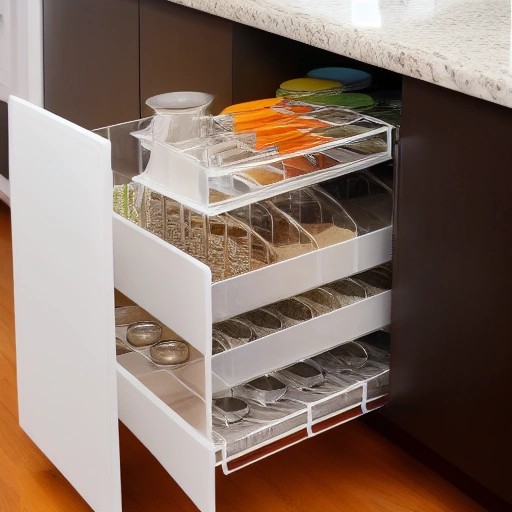
The solution is to stop trying to store everything in drawers. Use drawer-style bins inside deep lower cabinets instead. These bins pull out like drawers but fit into the open space of a cabinet. They cost much less than installing actual drawers.
“A small kitchen is not a limitation — it is a puzzle. The right storage tools turn awkward spaces into organized cooking zones.”
Step-by-Step Guide: Solving Small Kitchen Storage Problems
Follow these steps in order. Pick the solutions that fit your specific kitchen.
Step 1: Claim Your Wall Space
Your walls are empty storage waiting to happen. You do not need floor space for wall storage. Install these items on any empty wall or backsplash:
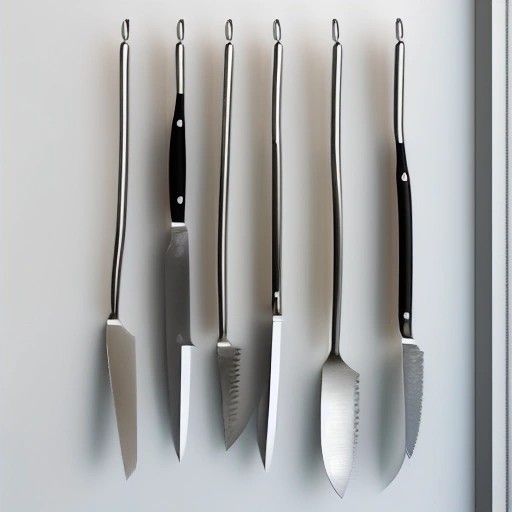
Magnetic knife strip. Holds all your knives flat against the wall. Frees up an entire drawer. Costs 10 to 20 dollars. Stick it on tile with adhesive or screw into drywall.
Pegboard. A 24-inch by 24-inch pegboard holds pots, pans, measuring cups, spatulas, and even small shelves for spices. Paint it to match your wall. Hang it above a counter or on an empty wall.
Pot rack. A ceiling-mounted pot rack is classic for a reason. It keeps pots visible and accessible. For renters, use a wall-mounted rail with S-hooks instead.
Wire basket rail. Install a narrow rail along your backsplash. Hang small wire baskets for holding garlic, onions, or cooking utensils.
Measure your wall space before buying anything. Leave room for walking and opening cabinet doors.
Step 2: Use Every Cabinet Door
The inside of your cabinet doors is prime storage. Install these without drilling (adhesive) or with small screws (drill):
Spice rack. Thin wire racks hold 12 to 24 spice jars. Mount on the inside of any upper cabinet door.
Lid rack. A tension rod or wire rack holds pot lids vertically. Mount inside a lower cabinet door near your pots.
Measuring cup and spoon rack. Small adhesive hooks hold measuring spoons. A magnetic strip holds metal measuring cups.
Trash bag dispenser. Mount a small spring-loaded rack inside an under-sink cabinet door. Hold rolled trash bags, foil, and plastic wrap.
Safety reminder: Do not overload door racks. Heavy items can pull screws out of thin cabinet wood or cause door hinges to sag.
Step 3: Add a Rolling Kitchen Cart
A rolling cart is the single best investment for a small kitchen. It gives you:
- A counter surface for food prep
- Shelves underneath for storage
- Wheels to move it against a wall or into the center
- A place for your microwave or toaster oven
Look for a cart with locking wheels, a butcher block top, and at least two shelves. Store bulk items, mixing bowls, or cookbooks on the bottom shelf. Use the top for your coffee maker or as extra chopping space.
When not in use, roll the cart into a corner, against a wall, or even into a dining room.
Step 4: Stack Containers Vertically, Not Horizontally
Most people stack mixing bowls inside each other. That works fine. But for Tupperware and food storage containers, nesting does not always work well. Lids become a mess.
Store containers and lids separately:
- Stack square and rectangular containers neatly inside a cabinet.
- Store all lids together in a small bin or file organizer.
- Use a lid rack that holds lids upright like records in a crate.
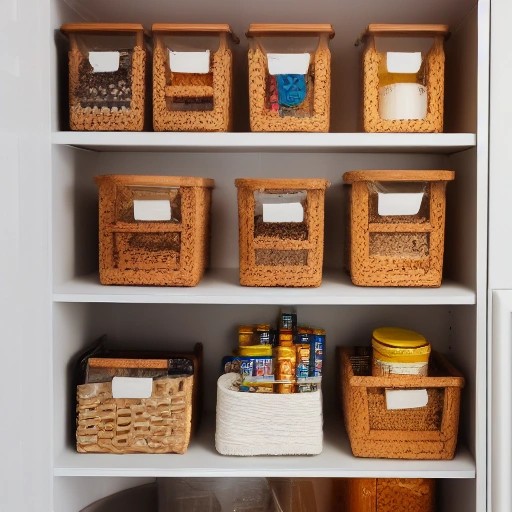
For dry food storage, use clear, rectangular containers that are exactly the same size. They stack perfectly on top of each other. No wasted air space. No falling towers.
Throw away mismatched containers with missing lids. Keeping one orphaned Tupperware lid takes up space and serves no purpose.
Step 5: Store Pots and Lids Separately
Pots stacked inside each other seem efficient, but then you have to unstack everything to reach the one on the bottom. Lids become a jumbled mess.
Fix this with three simple changes:
- Store pots upright, not nested. Line them up side by side on a low shelf.
- Store pot lids on a rack inside a cabinet door or in a small file sorter.
- Hang your most-used pots on a wall or ceiling rack.
If you have a deep lower cabinet, use a pull-out pot rack. These slide out like drawers and hold pots upright on tiered shelves.
Step 6: Use Tension Rods in Unexpected Places
Tension rods are not just for shower curtains. They cost a few dollars and create instant storage in awkward spaces.
Under the sink: Stretch a tension rod between the two cabinet walls. Hang spray bottles from S-hooks hooked over the rod.
Inside a narrow cabinet: Use two tension rods stacked vertically. Hang pot lids, cutting boards, or baking sheets between the rods.
Above the sink: Stretch a tension rod across the window. Hang small herb planters or dish towels.
Tension rods work best on smooth surfaces. Clean the cabinet walls with rubbing alcohol before installing so the rod grips better.
Step 7: Downsize and Decant
Large boxes and bags waste space in a small kitchen. That giant box of cereal is half air. That family-sized bag of chips is mostly empty space.
Decant everything into smaller, uniform containers:
- Cereal into tall, narrow canisters
- Pasta into square containers that stack
- Snacks into small bins that fit on one shelf
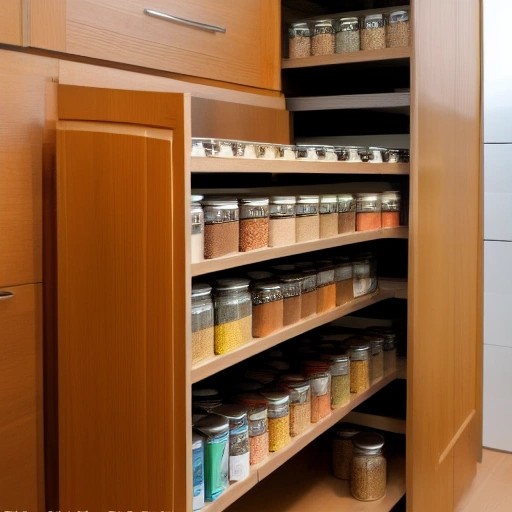
- Baking supplies into labeled jars
When you buy groceries, remove cardboard boxes immediately. Throw the box away. Put the food directly into your storage containers. You will be shocked how much space you gain.
Comparison Table: Small Kitchen Storage Solutions
| Solution | Best For | Space Gained | Difficulty | Cost |
|---|---|---|---|---|
| Magnetic knife strip | Knives, metal utensils | One full drawer | Very Easy | Low |
| Ceiling pot rack | Pots and pans | One lower cabinet | Medium | Medium |
| Rolling kitchen cart | Counter space + storage | 5-10 sq ft of usable space | Very Easy | Medium |
| Cabinet door racks | Spices, lids, measuring cups | 15-20% of cabinet volume | Easy | Low |
| Tension rod organizer | Under-sink sprays, cutting boards | 10-15% of awkward spaces | Very Easy | Very Low |
| Pegboard wall | Pots, utensils, spices | Entire cabinet of space | Medium | Low |
| Rectangular stackable containers | Dry food storage | 30-50% less wasted air space | Easy | Low-Medium |
Storage Efficiency by Solution Type
How to Organize Specific Small Kitchen Areas
Different problem areas need different fixes. Here is how to solve the most common small kitchen storage problems.
Under the Sink
This space is awkward because of pipes. Use stackable slide-out bins on the floor. Install a tension rod high up for spray bottles. Mount a door rack for scrub brushes and gloves. Do not store food or paper products here — one small leak ruins everything.
Above the Refrigerator
This space is hard to reach. Store things you use less than once a month: holiday platters, roasting pans, bulk paper towels. Use sturdy bins with handles. Label each bin clearly. Do not store heavy glass items here — lifting them down is dangerous.
Corner Countertops
Corners are dead zones. Put a lazy susan on the counter to hold oils, vinegars, and salt and pepper. Or put a small shelf riser to create two levels of spices. Never put an appliance in a corner — you will not use it because it is annoying to reach.
Inside Narrow Cabinets
Narrow cabinets (often next to the stove or refrigerator) are perfect for baking sheets, cutting boards, and cooling racks. Store them vertically using a divider or tension rods. Slide them in like records in a crate. You can fit five times more than stacking them flat.
Renter-Friendly Storage Solutions
If you cannot drill holes or mount things to walls, use these no-damage options.
- Command hooks and strips: Hold up to 5 pounds each. Use them for pot lids, measuring cups, oven mitts, and dish towels.
- Tension rods: No screws, no adhesive. Hold cutting boards, spray bottles, and pot lids.
- Over-the-cabinet racks: Hook over the top of lower cabinet doors. Hang dish towels or trash bags.
- Magnetic vent covers: Stick magnetic sheets to the side of your refrigerator. Hold spice tins or small metal containers.
- Rolling cart: Requires no installation. Rolls anywhere. Locking wheels keep it in place.
Take photos of your rental kitchen before installing anything. Keep all original parts. Remove everything carefully when you move out.
FAQ: Quick Answers to Small Kitchen Storage Problems
How can I store pots and pans in a small kitchen with no drawers?
Hang them on a wall pot rack or ceiling rack. Or store them upright in a deep lower cabinet using a pull-out pot organizer. Or use a pegboard with hooks.
What is the best way to organize Tupperware lids in a small kitchen?
Store all lids together in a small bin or file organizer. Stand them upright like files. Or use a tension rod inside a cabinet to lean lids against.
How do I create more counter space in a tiny kitchen?
Add a rolling cart, use a stovetop cover (turns your stove into extra counter space), mount a fold-down table on the wall, or store appliances in cabinets when not in use.
Can I store food above my cabinets?
Yes, but only if your cabinets go all the way to the ceiling. The dusty space on top of open cabinets is not food safe. Use that space for pretty serving bowls or fake plants instead.
What should I do with small appliances I use weekly?
Keep them on a rolling cart. Roll the cart out when cooking. Roll it into a corner when not in use. Do not let appliances live permanently on your counter.
How do I organize a small pantry without adding shelves?
Use stackable clear bins, shelf risers, door racks, and lazy susans. Store canned goods on tiered racks. Store snacks in pull-out bins.
Is it worth buying custom storage for a small kitchen?
Start with cheap solutions — tension rods, risers, door racks. If you still need space after decluttering, then consider custom pull-out drawers or a custom rolling cart. Most people solve their problems with 50 dollars or less.
When to Let Go Instead of Store
Sometimes the best storage solution is getting rid of something. Ask yourself these questions for every item in your kitchen.
- Do I use this at least once a month?
- Do I have a duplicate of this?
- Would I buy this again today?
- Does this have sentimental value that outweighs its space cost?
If you answer no to the first question and yes to the second or third, donate or toss the item. Small kitchens cannot afford clutter.
Give duplicates to a friend, donate to a thrift store, or recycle broken items guilt-free.
Which kitchen problem do you want solved next? Share your thoughts in the comments.
References: