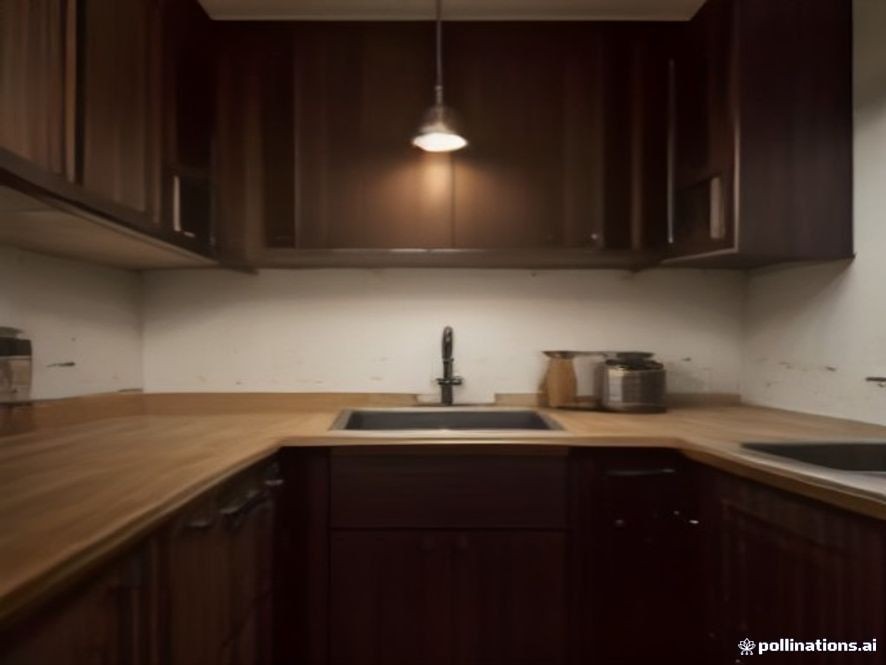
Why Is the Cabinet Under My Kitchen Sink Wet? Causes, Fixes & Solutions
Why Is the Cabinet Under My Kitchen Sink Wet? Causes, Fixes & Prevention Guide
A puddle under the kitchen sink can turn a simple morning coffee into a stressful cleanup. You open the cabinet to grab a sponge, and instead you find damp wood, a musty smell, and maybe even a drip echoing in the dark. It’s one of those quiet kitchen frustrations that most homeowners and renters face at some point.
That wet cabinet is more than a minor annoyance. If ignored, it can lead to mold, ruined cabinets, and even floor damage. The good news? Most causes are easy to spot and fix once you know where to look. This guide walks you through the real reasons your cabinet gets wet, how to stop it, and how to keep your cooking space dry and healthy.
TL;DR: A wet cabinet under the kitchen sink usually comes from a loose drain pipe, a worn gasket, condensation, or a hidden supply line leak. You can fix most drips with a wrench and plumber’s tape. Regular checks prevent bigger damage and mold.
Key takeaways:
- Most leaks start at the drain pipe, P-trap, or supply lines.
- Condensation from cold water pipes can mimic a leak — insulate them.
- Always turn off the water supply before tightening or replacing parts.
- Dry the cabinet completely and check for mold after any fix.
- Quick weekly check of under-sink area saves thousands in repair costs.
The Real Causes Behind a Wet Under‑Sink Cabinet (and How to Fix Them)
Water under the sink rarely appears without a reason. It could be a slow drip you’ve never noticed, or a sudden spray from a loose connection. Let’s break down the usual suspects — from simple to sneaky — and how to tackle each one.
1. Leaky Drain Pipe or P‑Trap
The P‑trap (the curved pipe under the sink) catches debris and keeps sewer gas out. Over time, its slip nuts and washers can loosen or crack. A tiny gap there drips every time you run water, and the cabinet floor stays wet.
How to fix: Place a bucket under the trap, then hand‑tighten the slip nuts. If that doesn’t stop the drip, unscrew the nuts, check the washers for wear, and replace them. Plumber’s tape on the threads helps too.
2. Faulty Supply Lines or Shut‑Off Valves
The hot and cold supply lines connect your faucet to the house plumbing. Rubber hoses can bulge, crack, or develop pinhole leaks. The shut‑off valves behind them may also weep around the packing nut.
How to fix: Turn off the main water valve. Dry the lines completely, then run your hand along them while a helper turns the water back on. Replace any damaged hose. For valve leaks, tighten the packing nut a quarter turn. If it still drips, replace the valve.
3. Condensation on Cold Water Pipes
In humid months, cold water running through metal pipes causes condensation. Water beads up and drips down, making the cabinet look like it has a leak — even when all connections are tight.
How to fix: Wrap cold water pipes with foam pipe insulation. It’s cheap, easy to install, and stops the sweating. Also, improve ventilation in the kitchen to lower humidity.
4. A Clogged or Overflowing Drain
If the sink drains slowly, water can back up and overflow from the drain opening or the dishwasher connection. This leaves a puddle that seeps into the cabinet base.
How to fix: Clear the clog with a plunger or a drain snake. For kitchen maintenance, avoid pouring grease down the drain — it hardens and catches food bits. Use a strainer to catch scraps.
5. Dishwasher or Garbage Disposal Leaks
Both appliances connect under the sink. A worn gasket on the disposal, a loose hose clamp, or a cracked dishwasher drain hose can spray water with every cycle.
How to fix: Run the dishwasher or disposal while watching underneath with a flashlight. Tighten clamps, replace cracked hoses, and check the disposal’s mounting ring. Always unplug appliances before cleaning or repairing them.
Step‑by‑Step: How to Dry and Fix the Wet Cabinet
- Turn off the water supply under the sink and at the main line if needed.
- Empty the cabinet completely. Remove cleaners, sponges, and any stored items.
- Dry the area with old towels and a fan. Let it air out for a few hours.
- Inspect all connections — supply lines, drain pipes, P‑trap, disposal, and dishwasher hose.
- Tighten loose fittings by hand, then a quarter turn with a wrench. Do not overtighten.
- Replace worn parts like washers, gaskets, or cracked hoses.
- Turn water back on and watch for drips. Run the faucet, disposal, and dishwasher.
- Dry the cabinet again and place a small plastic tray under the pipes to catch future drips.
Tip: A $5 drip tray can save your cabinet floor from a slow leak you might miss.
Common Under‑Sink Problems: Fix Cost & Difficulty
Here’s a quick comparison of the most frequent causes. Use it to decide whether to DIY or call a plumber.
| Item / Method | Purpose | Effectiveness | Difficulty Level | Cost |
|---|---|---|---|---|
| Tighten slip nuts on P‑trap | Stop minor drain leaks | High (if washers are good) | Easy | $0 |
| Replace supply lines | Fix cracked or bulging hoses | Very high | Easy to moderate | $10–$20 |
| Add pipe insulation | Stop condensation drips | High | Easy | $5–$12 |
| Replace shut‑off valve | Fix leaking valve packing | High | Moderate | $8–$15 |
| Call a plumber | Complex or hidden leaks | Very high | Professional | $150–$400+ |
Most Common Causes of Under‑Sink Moisture (by frequency)
Based on plumbing service call data (2023–2024).
“Most kitchen problems come from small maintenance habits that are often ignored. A wet cabinet is your home’s way of asking for a five‑minute check.”
FAQ: Quick Answers for a Dry Under‑Sink Cabinet
Why does my cabinet get wet even when I don’t see a drip? Slow leaks often evaporate or run along the pipe. Use a paper towel to wipe every joint — moisture will show up quickly.
How do I know if it’s condensation or a leak? Condensation appears as beads on the outside of cold pipes, not at joints. Dry the pipe and run cold water; if beads return, it’s condensation.
Can a wet cabinet cause mold? Yes. Mold can grow within 24–48 hours. Dry the area completely and use a mild bleach solution if you see dark spots.
What’s the best way to clean up the water? Remove everything, blot with towels, then run a fan for several hours. Avoid leaving cardboard or paper products in the cabinet.
Should I replace my cabinet floor if it’s swollen? If the wood is soft or crumbling, yes. Otherwise, dry it thoroughly and seal it with a water‑resistant paint or liner.
How often should I check under the sink? Once a month. Look for moisture, stains, or musty smells. It’s a simple habit that protects your kitchen maintenance budget.
Can a clogged drain cause a wet cabinet? Absolutely. If water backs up, it can overflow from the sink or the dishwasher connection and seep into the cabinet.
Trusted resources for kitchen plumbing and maintenance:
- Family Handyman — How to Fix a Leaky Faucet
- This Old House — Fixing Leaking Pipes
- U.S. Department of Energy — Pipe Insulation
- Home Depot — Leaky Pipe Repair Guide
Which kitchen problem do you want solved next? Share your thoughts in the comments.