Pantry Storage Mistakes That Waste Valuable Shelf Space
You open your pantry door, and a box of pasta tumbles out, narrowly missing your foot as you search for a can of tomatoes you know is in there somewhere.
A messy, disorganized pantry is a daily frustration that can make even simple cooking feel stressful. The good news is that most of the time, the problem isn’t a lack of space—it’s a few common storage mistakes that are wasting valuable shelf space. This guide will walk you through the most frequent pantry pitfalls and offer practical, easy-to-follow solutions to help you reclaim your cooking space.
TL;DR
Most pantries suffer from poor organization habits like using the wrong containers, ignoring vertical space, and not grouping similar items. By fixing these common mistakes—such as using square containers, installing shelf risers, and organizing by how you actually cook—you can maximize your storage capacity and find what you need instantly.
Key Takeaways
- Container Shape Matters: Round jars waste space, while square or rectangular containers maximize shelf real estate.
- Think Vertical: Use shelf risers, door organizers, and stackable bins to make use of all available height.
- Group Like with Like: Keep all breakfast items, snacks, and baking supplies together for easier access.
- Accessibility is Key: Place frequently used items at eye level and store less-used items higher up or in the back.
- Clean Spills Immediately: Sticky messes attract pests and make shelves difficult to use.
Why Your Pantry is a Mess: The Real Causes and How to Fix Them
Mistake #1: Using the Wrong Storage Containers
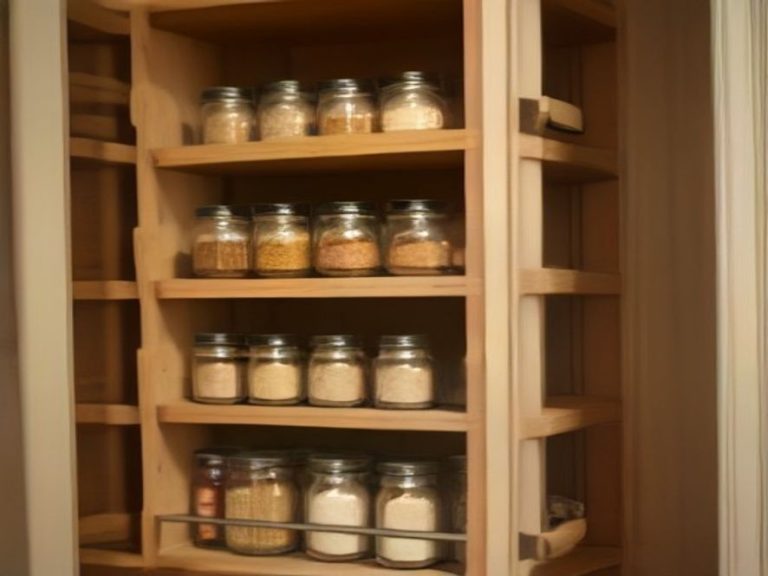
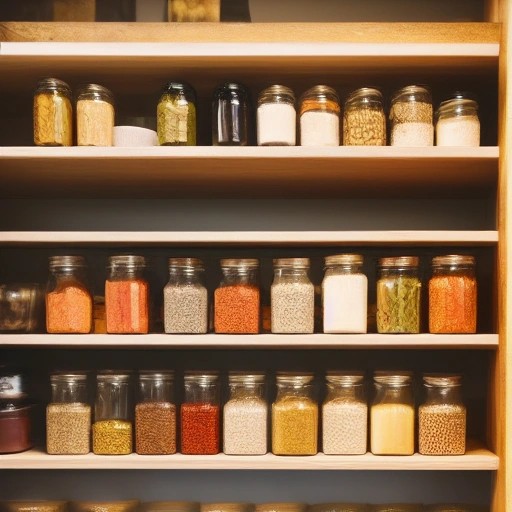
While those beautiful, round glass jars look great on Pinterest, they are a major culprit when it comes to wasted shelf space. Because they are curved, they don’t line up against each other or the wall, creating dead space that could be used for more food.
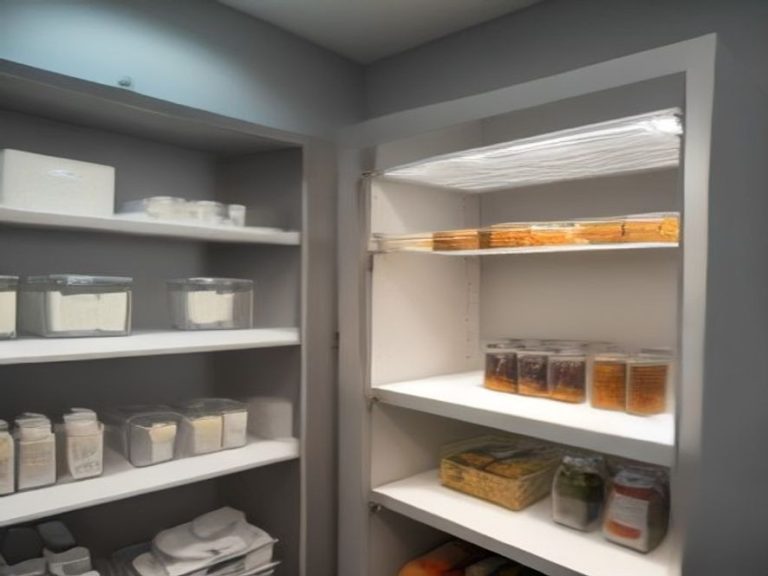
Solution: The best way to fix this is to switch to square or rectangular containers. They fit snugly against each other, maximizing every square inch of your shelf. They are also easier to label, which helps prevent those frustrating mishaps where you grab salt instead of sugar.
Mistake #2: Not Using Vertical Space
A single shelf is often one-dimensional, with items piled on top of each other. This buries the items in the back, making them impossible to see and easy to forget about, leading to duplicate purchases and wasted food.
Solution: Add more levels. Use shelf risers to create a second tier for canned goods and jars. Place taller items in the back and shorter ones in the front so you can see everything at a glance. Don’t forget about the door. Installing an over-the-door shoe organizer is a cheap and effective way to store snacks, packets, and spice jars, freeing up valuable shelf real estate.
Mistake #3: Ignoring “Zones” and Grouping
Throwing items wherever they fit is a recipe for chaos. When pasta, snacks, and baking supplies are all jumbled together, it takes forever to find what you need. You might even buy a second jar of pasta sauce because you couldn’t see the one hiding behind the cereal box.
Solution: Create zones. Dedicate a specific area to each category of food. For example:
- Breakfast Zone: Cereal, oatmeal, breakfast bars.
- Snack Zone: Chips, crackers, and granola bars.
- Baking Zone: Flour, sugar, chocolate chips, and extracts.
- Canned Goods Zone: All your vegetables, soups, and sauces.
This simple kitchen organization hack makes it much easier to see what you have and grab what you need quickly.
Mistake #4: Not Organizing by How You Actually Cook
What’s the point of storing your favorite protein bars on the bottom shelf if you have to bend down for them every day? Similarly, if you only make a specific dish once a month, that ingredient shouldn’t be taking up prime real estate at eye level.
Solution: Think about “accessibility.” Store your most frequently used items, like cooking oils, spices, and daily snacks, at eye level for easy reach. Place bulk items, rarely used appliances like an air fryer, or extra stock on the higher shelves or in the back.
“Organizing around your habits and routine—not just a standard layout—makes your pantry more functional and efficient.”
Mistake #5: The “Deep Shelf” Trap
Deep shelves are a blessing and a curse. They provide tons of room, but they also create a “black hole” where items are pushed to the back and forgotten until they expire. This wastes food and encourages duplicate purchases.
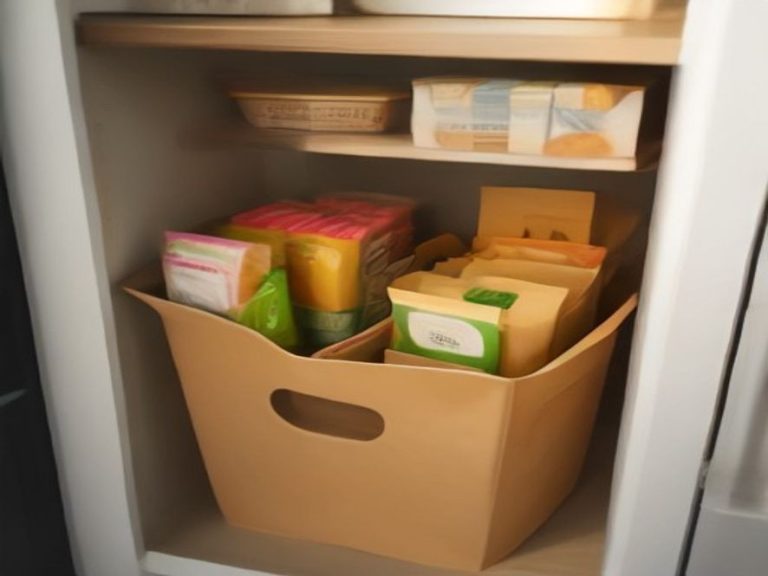
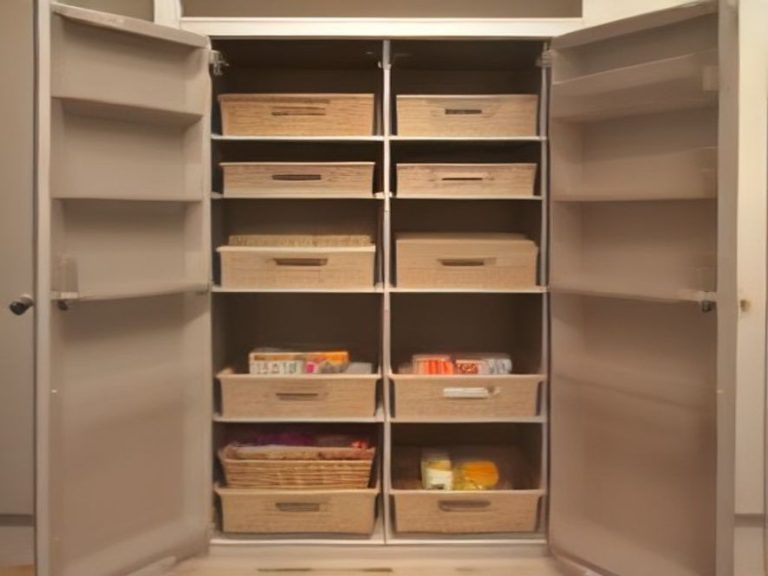
Solution: Use long storage containers. These act as makeshift drawers that you can pull out to see everything inside. Group similar items in the same bin—like all your pasta boxes together, or all your canned goods. This way, you never have to dig around in the back of a dark shelf again.
Mistake #6: Forgetting to Clean Up Spills
That sticky residue from a spilled bottle of syrup or honey might seem like a minor annoyance, but it can have big consequences. It can make jars stick to the shelf, ruining your neat arrangement, and it’s a major attractant for pests like ants and mice.
Solution: Clean up spills as soon as they happen. It’s much easier to wipe up a fresh spill than to scrub a dried, sticky mess. Always check bottles and jars for drips before putting them away. This small step in kitchen cleaning can prevent a lot of headaches.
Pantry Storage Efficiency Comparison
| Storage Method | Effectiveness | Difficulty Level | Cost |
|---|---|---|---|
| Shelf Risers | High | Easy | Low ($) |
| Over-the-Door Organizers | High | Easy | Low ($) |
| Pull-Out Drawers/Bins | High | Medium | Medium ($$) |
| Round Jars | Low | Easy | Medium ($$) |
| Square/Containers | High | Easy | Medium ($$) |
Step-by-Step Guide to Fixing Your Pantry
1. Empty Everything
Take absolutely everything out of your pantry. This allows you to see the scale of your inventory and gives you a clean slate to work with.
2. Sort and Declutter
Group similar items together on your counter. This is the time to check expiration dates and toss anything that’s stale or expired. Donate unopened, non-perishable items you know you won’t eat.
3. Design Your Zones
Before putting anything back, decide where your new zones will go. Where will breakfast live? Where will the baking supplies go? Plan it out for maximum efficiency. This is the most important step in the entire process.
4. Rebuild with Smart Storage
Start placing items back, grouping them by your newly created zones. Use shelf risers, clear bins, and long containers to maximize space. Remember to place frequently used items at eye level.
5. Label Everything
Labels are your best friend. They help you find what you need quickly and make it easy for everyone in the household to put things back in the right spot. You can use a label maker or simple masking tape and a pen.
Frequently Asked Questions
Q: Why does my pantry always smell bad?
A: A bad smell is often caused by forgotten, expired food or a spill that wasn’t cleaned up. A thorough purge and deep clean should solve the problem.
Q: How do I organize a pantry without buying expensive containers?
A: Start by organizing and decluttering first. You can use items you already have, like cereal boxes as drawer dividers, or use low-cost options like shoe organizers on the door.
Q: What is the best way to store dry goods like flour and rice?
A: For the best way to keep them fresh and pest-free, store them in airtight containers. Square or rectangular containers are ideal for saving space.
Q: How can I prevent pests in my pantry?
A: Keep your pantry clean, store all food in sealed containers, and avoid storing pet food or open packages on the shelves.
Q: How often should I clean and organize my pantry?
A: It’s a good idea to do a deep clean and check for expired items every few months. Regular, weekly maintenance will help keep it that way.
Q: How do I stop buying duplicates of items I already have?
A: An organized pantry where you can easily see all your items is the key. An easy fix is to place newer items at the back and older ones in front, a practice known as “first in, first out”.
Conclusion: Enjoy Your New, Functional Space
A disorganized pantry doesn’t have to be a permanent part of your cooking space. By identifying these common mistakes and implementing these practical solutions, you can transform your pantry from a source of stress into a model of efficiency. A little planning and the right storage tools can make a world of difference.
Which of these pantry problems do you face most often? Share your thoughts in the comments below!
References & Further Reading
- 12 Pantry Storage Mistakes You Need To Stop Making Yesterday – Tasting Table
- 6 Pantry Mistakes You Didn’t Know You Were Making—and How to Remedy Them – Better Homes & Gardens
- How to Organize a Small Pantry Without Buying Lots of Containers – Artfull Houses
- The Absolute Best Storage Hack For Deep Pantry Shelves – Tasting Table