How to Organize a Pantry With Clear Bins Without Over-Organizing: Practical Tips
That satisfying “after” photo of a perfectly organized pantry can quickly become a cluttered mess if you get carried away with containers and labels.
TL;DR
Clear bins are a powerful organizing tool, but they can actually make clutter look worse if you overdo it . Start by emptying and decluttering your pantry first, then sort what remains before buying any containers . Use clear bins only for loose items like snack packets, seasoning sachets, and baking supplies . Keep systems simple with broad categories and regular maintenance. Avoid buying bins before sorting, don’t label every single item, and remember that a functional pantry beats a perfect-looking one every time.
Key Takeaways
- Declutter before you buy bins — sorting first prevents organizing clutter and ensures you only buy what you actually need
- Use clear bins for loose items only — pasta, snacks, and packets benefit from containment, but bulky boxes and cans don’t need to go inside bins
- Label simply and broadly — “Snacks” or “Baking” works better than hyper-specific categories that change frequently
- Don’t decant everything — just transfer the loudest, messiest packaging (cereal, oats, flour) to save time and money
- One shelf at a time — tackling one zone prevents overwhelm and decision fatigue
Why Clear Bins Can Be a Trap
Clear bins seem like an obvious solution: they’re see-through, stackable, and look neat on shelves. Professional organizers often recommend them because they help “create zones so things don’t blend into one big pile” .
But there’s a catch. Because they’re clear, everything inside is on display — and if items aren’t perfectly stacked and organized, it still looks like a mess . One organizer warns that after a while, clear bins “will end up looking like an ignored junk drawer in your kitchen” . You can also see crumbs and dust, meaning they require regular cleaning to stay looking good .
The bigger danger? Buying bins too early. “New bins feel like progress,” explains one professional, “but they’re often the wrong size, the wrong count, or the wrong idea entirely. Now you’re organizing clutter” . Professional organizer Heather Aiello agrees, noting that if you don’t know what you’ll store in them or where they’ll go, bins “can end up misused or even become clutter themselves” .
Step-by-Step Guide to Using Clear Bins Wisely
Step 1: Empty and Declutter First
Take everything out of your pantry. Check expiration dates — the food you forgot is the food you already paid for . Sort items into “keep,” “donate,” and “rarely use” piles. Tackle one shelf at a time to avoid overwhelm .
This step is non-negotiable. You can’t organize clutter, you can only rearrange it.
Step 2: Sort Before You Buy
Group items by category — snacks, baking, breakfast, pasta and grains, canned goods . Don’t buy containers until you know exactly what you’re storing and have measured your shelves . Fancy labels can wait until you’re sure the system works .
Choose bins with straight sides for efficient stacking, and make sure they fit the depth of your shelf . Leave 1–2 inches of clearance at the back for easy removal.
Step 3: Use Clear Bins for the Right Items
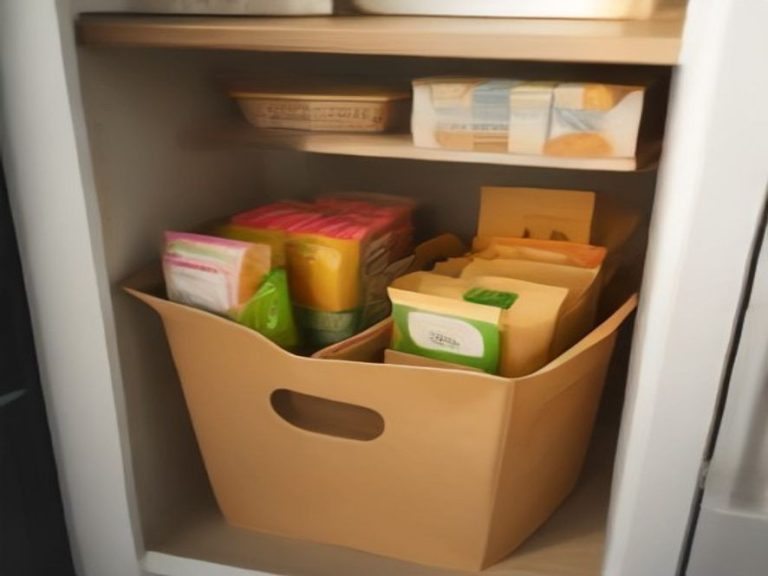
Not everything needs a bin. Reserve clear containers for loose items that tend to spread: snack bars, seasoning packets, baking supplies, and dried fruit . Long bins work well for deep shelves so nothing gets lost behind taller items .
Step 4: Decant Strategically
You don’t need to transfer everything into matching jars. “Just pick the loudest packaging — cereal, oats, flour,” advises one guide. “Two or three uniform jars can calm a whole shelf” . Keep cooking instructions by cutting them out and tucking them inside .
Step 5: Label Simply and Broadly
Labels help everyone in the household put things back correctly . But keep them broad — “Snacks,” “Baking,” and “Breakfast” work better than “Granola Bars,” “Chocolate Chips,” and “Oatmeal” because categories change as you restock .
A chalkboard label set costs under $10 and is reusable .
Step 6: Maintain Without Over-Organizing
The best system is one you can maintain when you’re tired. “If your system takes six steps, you’ll skip it when you’re tired,” advises one pro. “Aim for ‘lazy-proof'” . That means open bins over lidded ones, one broad category over five tiny ones, and labels that say what a human actually says — “Snacks,” not “Potato-Based and Non-Potato-Based Crunchy Comestibles” .
Comparison: Clear Bins vs. Alternatives
| Storage Type | Pros | Cons | Best For |
|---|---|---|---|
| Clear bins | Visible contents, stackable, easy to clean | Shows mess and crumbs, can look cluttered if not neat | Snacks, loose packets, baking supplies |
| Opaque bins | Hides clutter, stylish | Need labels, can forget what’s inside | Seasonal items, overflow |
| Woven baskets | Attractive, breathable | Harder to clean, not always stackable | Produce, potatoes, onions |
| No bins at all | Free, forces intentionality | Items drift and get lost | Canned goods, jars, bottles |
The Truth About Over-Organizing
Professional organizers agree: over-organizing is a real problem. “It is possible to be too organized,” writes one. “Color-coded folders for every tiny category, very specific pantry labels, or detailed folding techniques can seem smart, but these complex systems often fail over time because they’re too demanding to maintain” .
If a system doesn’t match how your brain works, it won’t stick . Some people organize by sight (visual piles), others by zones or activity, and still others need detailed labels and logs . Build the system around your instincts, not a Pinterest photo .
FAQ: Clear Bins and Pantry Organization
1. Should I buy clear bins before or after decluttering?
After. “Sort first, measure second, buy last,” advises one guide . Buying bins before you know what you’re storing often leads to the wrong size or number.
2. What’s the biggest mistake with clear bins?
Not keeping them neat. “Because they are clear, the objects inside are on display… if everything isn’t perfectly organized and placed just right, it’s still going to make your space look like a mess” .
3. Do I need to label clear bins?
Yes, labels help family members put things back in the right place . But keep labels broad — “Snacks” is easier to maintain than “Granola Bars.”
4. How can I avoid over-organizing my pantry?
Keep systems simple. Aim for “lazy-proof” organization — open bins, broad categories, and labels that anyone can understand . Focus on function over aesthetics .
5. Can clear bins make clutter look worse?
Yes. If you don’t stay on top of them, clear bins reveal crumbs, dust, and messy stacks. They also let you hide clutter behind clear walls instead of dealing with it .
Start Simple and Stay Flexible
Clear bins can transform a chaotic pantry into a functional space. But the key is using them strategically — not as a cure-all. Start by decluttering first, sort before you buy, and keep systems simple enough to maintain when life gets busy.
Remember: the goal isn’t a pantry that looks like a store display. The goal is a pantry that works for the way you actually cook and eat.
Which clear bin mistake have you made? Share your experience in the comments.
How to Organize a Pantry With Clear Bins Without Over-Organizing: Practical Storage Solutions for Real Kitchens