
How to Organize a Pantry So Older Items Get Used First
You open your pantry to make dinner, grab a can of tomatoes, and notice three more cans behind it — all expired. This frustrating moment could be avoided with a simple organizational shift.
TL;DR
The key to using older pantry items first is the First In, First Out (FIFO) system. When you bring groceries home, move older items to the front and place new purchases behind them. This ensures you grab the oldest food first, preventing waste and saving money. Use clear containers with labels, group similar items in zones, and maintain the system with a “use first” spot for near-expiration items.
Key Takeaways
- FIFO (First In, First Out) means always placing new items behind older ones so the oldest food gets used first
- Label containers with purchase or expiration dates to know what’s oldest at a glance
- Group similar items together in zones to see everything you have and avoid duplicates
- Keep a “use first” area near the front for items nearing expiration
- Maintain the system weekly by rotating stock and checking dates
Why Older Items Get Forgotten
The problem is simple: when you restock your pantry, you tend to put new items in the most convenient spot — the front. Older items get pushed to the back, where they’re forgotten and eventually expire. If you can’t see it, you won’t use it.
This creates a cycle of duplicate buying and food waste. You think you’re out of something, buy more, and discover the old ones later.
The FIFO System: How It Works
FIFO stands for First In, First Out. It’s the same method grocery stores and professional kitchens use to keep stock fresh. Here’s how to apply it at home.
Step 1: Declutter First
Before organizing, take everything out of your pantry. Check expiration dates and toss anything expired. Group what’s left into categories — canned goods, baking supplies, snacks, breakfast items, pasta and grains.
Step 2: Arrange by Date
When you put items back on shelves, arrange them in backward chronological order. Newest items go to the back, oldest to the front. This means when you open the pantry, the first thing you see is what needs to be used first.
Example: If you have three boxes of pasta bought in March, February, and January, put the January box in front, February behind it, and March in the very back.
Step 3: Label Everything
Labels are essential for FIFO. Write the purchase date on containers and packages so you know what’s oldest. For items without clear dates, write it on the packaging with a permanent marker.
Use masking tape and a Sharpie if you don’t have a label maker. It works just as well.
Step 4: Use Clear Containers
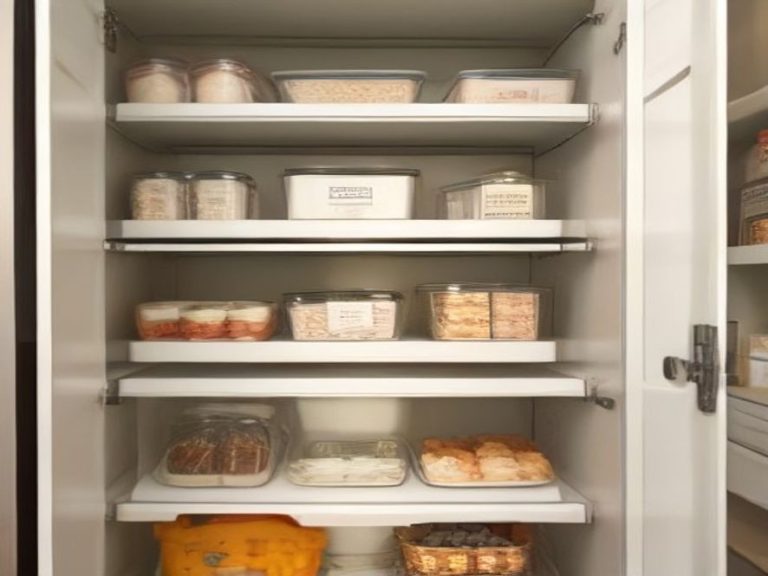
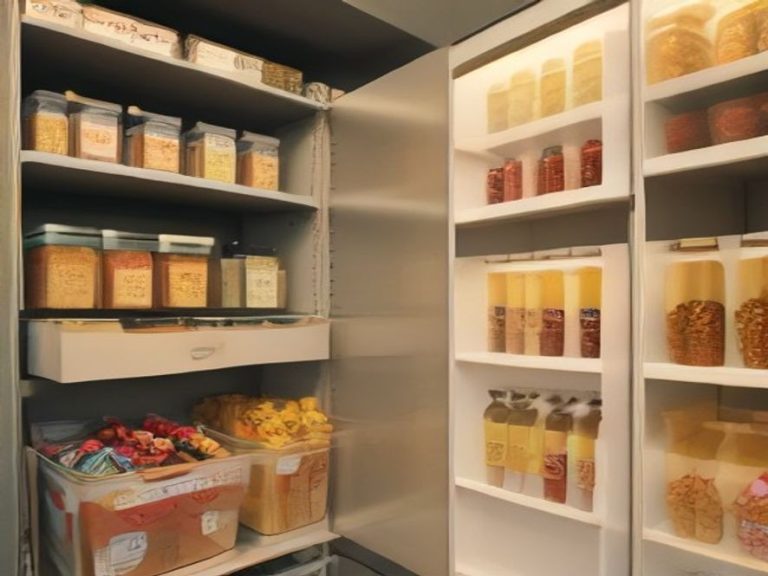
Transfer dry goods like flour, sugar, rice, and pasta into clear, airtight containers. This gives you a visual “gas gauge” — you can see how much is left without opening anything. Square or rectangular containers are best because they eliminate dead space.
Step 5: Create a “Use First” Spot
Set aside one area near the front of the pantry for items nearing expiration. When you plan meals, check this spot first. This keeps soon-to-expire items visible and top of mind.
Step 6: Group Like Items Together
Store similar items near each other — all canned goods together, all baking supplies together, all snacks together. This helps you see what you actually have and prevents duplicate purchases.
Comparison: Organization Methods
| Method | How It Works | Best For |
|---|---|---|
| FIFO | New behind old | Preventing waste, saving money |
| By expiration date | Group items by date | Quickly seeing what expires soon |
| By category | Snacks with snacks, baking with baking | Knowing what you have at a glance |
| By frequency of use | Daily items at eye level | Speeding up daily routines |
Maintaining the System
A FIFO system only works if you keep it going. When you unpack groceries:
- Pull older items forward
- Place new items behind them
- Check for near-expiration items and move them to your “use first” spot
Do a quick weekly check: scan for expired items, rotate stock, and update your shopping list. This takes about five minutes and prevents bigger problems.
FAQ: Using Older Pantry Items First
1. What is FIFO and why does it matter?
FIFO (First In, First Out) means using older items before newer ones. It prevents food waste and saves money by ensuring nothing gets forgotten at the back of the pantry.
2. How do I know which items are oldest?
Write the purchase date on containers and packaging with a marker. For items without dates, arrange them in order and remember which row is oldest.
3. What’s the easiest way to maintain FIFO?
When you unpack groceries, always put new items behind older ones. Make it a habit and it becomes automatic.
4. Should I label containers?
Yes. Labels with dates help everyone in the household know what to use first. Even a date written with a Sharpie works.
5. What about items without expiration dates?
Write the purchase date on them. If they look or smell off, trust your judgment and toss them.
Start Using FIFO Today
A pantry organized with FIFO is one that saves you money, reduces waste, and makes cooking easier. Start with one shelf — arrange items so the oldest are in front and newest behind. Once you see how well it works, you’ll wonder why you didn’t do it sooner.
The goal isn’t perfection. The goal is a system that helps you actually eat the food you buy.
Which FIFO habit will you start with today? Share your thoughts in the comments.
How to Organize a Pantry So Older Items Get Used First: FIFO System Guide to Reduce Food Waste