How to Organize Pasta and Rice in a Pantry: Simple Solutions for a Tidy, Functional Kitchen
You’re in the middle of cooking dinner, you reach for the spaghetti, and it’s just a jumbled mess of broken noodles and half-empty bags. This is a common kitchen frustration, but the good news is that organizing these pantry staples is a simple fix. This guide will show you the best way to organize pasta and rice to save space, keep food fresh, and make cooking less stressful.
TL;DR
Organizing your pasta and rice starts with taking everything out and sorting it by type. The secret is to then transfer these dry goods into clear, airtight containers to keep them fresh and visible. By grouping your grains and noodles into a dedicated zone and using shelf risers or lazy Susans to maximize space, you’ll always know what you have on hand.
Key Takeaways
- Declutter First: Empty your pantry to check expiration dates and consolidate any half-used bags of rice or pasta.
- Use Airtight Containers: Transfer pasta and rice from store packaging into clear, stackable containers for better visibility and freshness.
- Create a Dedicated Zone: Group all your grains, rice, and pasta together in one section of your pantry.
- Maximize Your Space: Use tall containers for spaghetti and shelf risers to improve visibility and access.
- Maintain Your System: Use a first-in, first-out (FIFO) system to ensure you use older items before they expire.
The Real Causes Behind Pasta and Rice Pantry Chaos
A messy pantry often starts with a simple oversight: storing dry goods in their original packaging. Those paper and plastic bags are hard to stack, tear easily, and don’t always close properly. This leads to three main problems.
Why Half-Empty Bags Lead to Clutter
When you have several half-open bags of rice or pasta, they take up unnecessary space and are prone to spilling. These bags are hard to stack, and because they aren’t see-through, you often forget what you have . This is a primary cause of buying duplicates.
The Problem with Not Seeing What You Have
If you can’t see what’s inside a bag, you might buy a third box of spaghetti when you already have two at the back of the shelf. A lack of visibility is the main reason food goes to waste . Regularly checking your stock is a simple habit that saves you money and prevents waste.
A Step-by-Step Guide to Organizing Pasta and Rice
Let’s get your pantry in order. Here is a simple plan to organize your pasta, rice, and other grains.
Step 1: Clear Everything Out
This is the most important first step. You need a clean slate. Take everything out of your pantry, including all boxes of pasta, bags of rice, and grains. This allows you to wipe down the shelves and properly sort through everything . Check expiration dates on all your dry goods and discard anything that’s old. You might even find some free meals in the form of lentils you forgot you had .
Step 2: Group Similar Items Together
Now that your shelves are clean, it’s time to categorize. Professional organizers always recommend this . Put all your pasta (spaghetti, penne, macaroni) together and group all your rices and grains (white rice, brown rice, quinoa) in another spot . This is the heart of an effective system.
Step 3: Decant into Airtight Containers
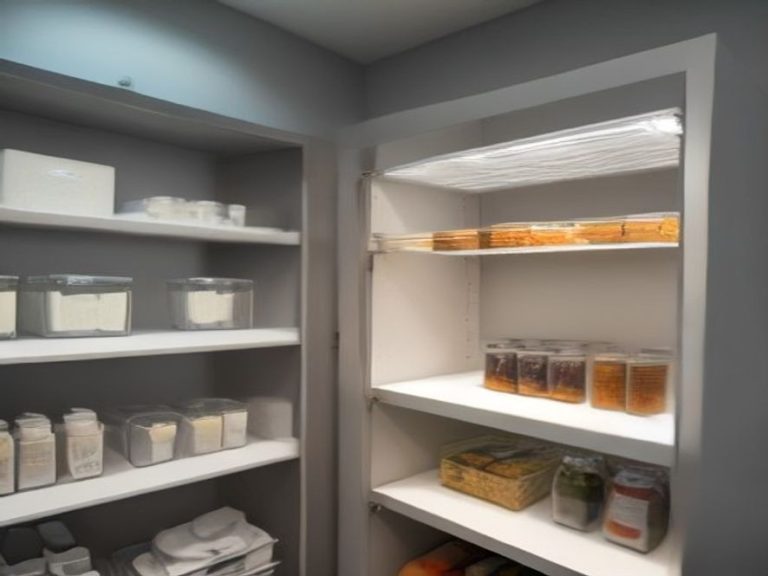
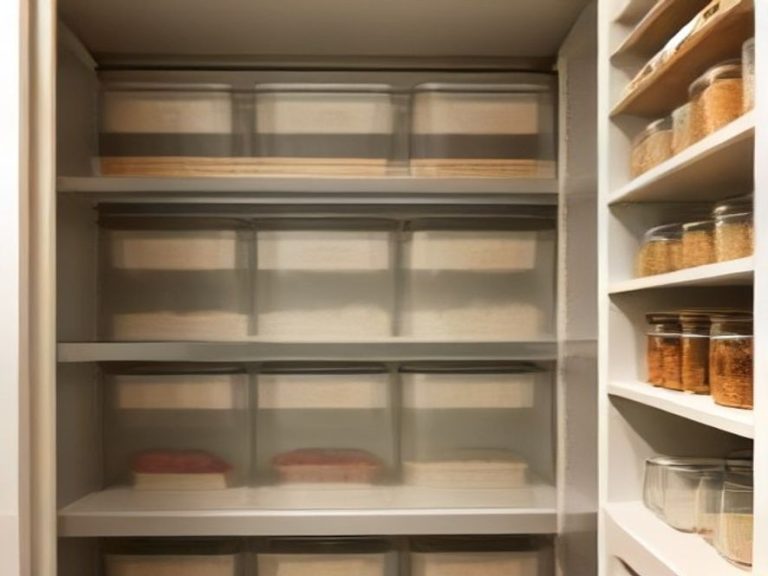
This is the single most impactful change you can make. Transferring dry goods into clear, airtight containers is the secret to a tidy and functional pantry .
- Clear is Key: You can instantly see how much rice or pasta you have left .
- Airtight Keeps it Fresh: A proper seal keeps moisture out and prevents clumping. It also protects against pantry pests .
- Shape Matters: Square and rectangular containers are generally more space-efficient than round ones because they stack and line up neatly .
- Tall Containers for Long Pasta: A tall, narrow container is perfect for storing spaghetti without breaking it .
| Container Recommendation | Best For | Key Feature |
|---|---|---|
| OXO Good Grips POP Container | Bulk staples like 5lbs of rice or 2lbs of pasta | Patented push-button, airtight seal |
| Vtopmart Airtight Containers Set | A versatile, all-in-one set for various dry goods | Stackable design with chalkboard labels |
| Modular Mates® Oval Container | Rice, pasta, and other dry foods | Airtight and moisture-proof, designed to stack |
Step 4: Label Everything
Once your pasta and rice are in their new containers, labeling is essential. This is especially important for items that look similar, like bread flour and all-purpose, or white sugar and powdered sugar . A simple label with the name and the date you filled it will help you identify it and maintain your system . You can use a label maker, masking tape, or chalkboard labels .
Step 5: Maximize Your Pantry Space
Now it’s time to put everything back in an organized way.
- Create a Zone: Place all your pasta, rice, and grains in the same zone of your pantry so you know exactly where to look .
- Use Shelf Risers: These create a second tier on a shelf, allowing you to see items in the back without having to dig .
- Use Lazy Susans: For items you use frequently, like rice, a turntable can make it easy to grab what you need .
Step 6: Maintain with a FIFO System
To prevent waste, use a “first-in, first-out” (FIFO) system . When you restock, place new items at the back of the shelf and move older items to the front. This way, you naturally reach for the oldest package first and nothing gets a chance to expire.
“A pantry only stays organized if you maintain it. Your monthly reset can include checking expiry dates, refilling jars, and wiping shelves.”
Frequently Asked Questions
Why should I use airtight containers for pasta and rice?
Airtight containers keep your pasta and rice fresh for longer by preventing moisture and pests from getting in . They also help you reduce clutter by replacing bulky, half-open bags.
What is the best way to store spaghetti?
The best way is in a tall, narrow container specifically designed for long pasta . This prevents it from breaking and makes it easy to store.
How do I know if my rice has gone bad?
Check for any signs of tiny bugs, webbing, or a musty smell . Also, always check the expiration date.
What’s the first step to organizing my pantry?
Take everything out. You need to see what you have to create a plan and sort items into categories .
How do I keep weevils and bugs out of my rice and pasta?
Using an airtight container is the most effective way to prevent pantry pests .
Why is it important to label my storage containers?
Labeling removes the guesswork for everyone in the household, ensuring items are put back in the right place .
How often should I reorganize my pantry?
Give your pantry a quick check every few weeks and a full reset once or twice a year to rotate stock and check expirations .
References
Simple Solutions for an Organized Kitchen Pantry:
- Pantry Raider – Small Pantry Organization on a Budget
- Sur La Table – How to Organize Your Pantry
- Shades 4 Seasons – Pantry Organisation Tips
- The Home Sapiens – 6 Easy Pantry Organization Ideas
An organized pantry makes cooking so much more enjoyable. Once you have your pasta and rice in order, you’ll wonder why you didn’t do it sooner.
Which kitchen problem do you want solved next? Share your thoughts in the comments.