How to Build a Pantry Restocking System That Actually Works
The problem isn’t that your pantry gets empty. It’s that you’re constantly buying duplicates, forgetting what you already have, and discovering expired food you’ve wasted money on. A good restocking system fixes all that.
TL;DR
A restocking system that works has three parts: knowing what you have, using the FIFO (First In, First Out) method when putting new groceries away, and a regular routine for checking and restocking. Start by taking inventory, group items by use, and follow the simple rule of putting new items behind old ones. Weekly quick checks and monthly deeper reviews keep the system from breaking down.
Key Takeaways
- FIFO (First In, First Out) is the foundation — always put newer items behind older ones so you use the oldest food first
- Take inventory before you shop, not after — knowing what you have prevents duplicate purchases
- Label containers with dates — a simple date written on the package tells you what to use first
- Create a “use first” zone for items nearing expiration so they don’t get forgotten
- A 10-minute weekly check keeps the system running without major overhauls
Why Most Restocking Systems Fail
You grab a few bags of groceries, open the pantry door, and shove them onto the nearest shelf. Sound familiar? That’s the moment most restocking systems break down.
The big mistake people make is restocking without checking what’s already there . You buy pasta because you think you’re out, only to find three half-empty boxes hiding in the back. You add to the clutter instead of working with what you have.
The other problem? No system for using older items first. When you always grab the newest stuff from the front, older items get pushed to the back and forgotten. Months later, you find expired food and toss it.
A proper restocking system isn’t about having more — it’s about using what you have before it goes bad.
Step-by-Step: Building Your Restocking System
Step 1: Take Inventory Before You Shop
Before you head to the store, do a quick pantry scan. Check what’s running low and what you already have enough of .
What to check:
- Staples (flour, sugar, rice, pasta, cooking oil)
- Canned goods (tomatoes, beans, soups)
- Baking supplies (baking powder, chocolate chips)
- Frequently used spices
This saves money by preventing duplicates and makes meal planning easier . One quick scan takes five minutes and pays off in fewer impulse buys.
Step 2: Get Honest About What You Actually Use
Before restocking, check for items that are past their prime. Expired food doesn’t just waste space — it wastes money and makes it harder to see what you need.
Check for:
- Expired “best by” dates on canned goods
- Spices that are over a year old (if they’ve lost their smell, they’ve lost their flavor)
- Half-empty bags of things you bought once and never used again
Donating unopened extras you won’t use is a great alternative to letting them expire .
Step 3: Use FIFO — First In, First Out
This is the most important habit in any restocking system .
The rule is simple: When you bring new groceries home, put them BEHIND the older ones. Then when you reach for something, you naturally grab the oldest first .
How to do it:
- Cans: Put new cans at the back of the shelf, older ones in front
- Jars: Same rule — newer jars behind older ones
- Boxes: Slide older boxes to the front, new ones behind
- Bags: Put new bags behind partially used ones
Pro tip: Label canned goods with their expiration date using a piece of tape and a marker. This makes FIFO even easier to follow .
Step 4: Create a “Use First” Spot
Set aside one area near the front of the pantry for items that need to be used soon. Move anything with a close expiration date here so it stays visible.
When you plan meals, check this area first. It prevents food waste and saves money.
Step 5: Group Like Items Together
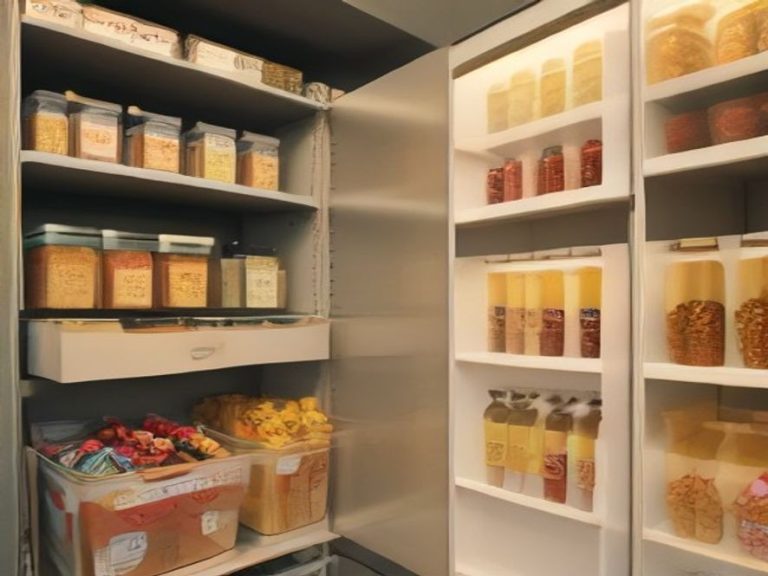
A restocking system works best when you know where things go. Create zones: snacks, baking supplies, pasta and grains, canned goods, breakfast items .
It makes restocking easier because you know exactly where to put things away. No more “where does this go?” guesswork.
Step 6: Use Clear Containers for Frequently Used Items
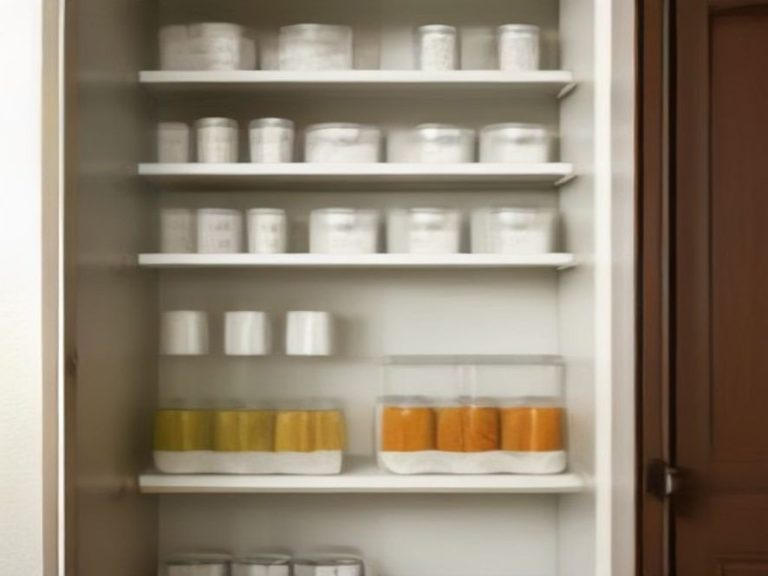
Transfer staples like flour, sugar, rice, and pasta into clear, airtight containers. This gives you a visual “gas gauge” — you can see at a glance how much you have left.
Clear containers also help with FIFO because you can see which container is older.
Step 7: Label with Dates
Write the purchase date on containers and packages . This helps you know which batch is newer and prevents holding onto things past their prime.
For spices, write the purchase month on the label. If they’ve lost their smell, replace them.
Step 8: Maintain With Weekly Checks
A restocking system only works if you maintain it. Set aside 10 minutes each week for a quick scan:
- Check for items nearing their expiration date
- Move those items to your “use first” spot
- Make a note of what’s running low for your next shopping trip
- Toss anything that’s expired
This prevents the “big overhaul” and keeps your system running smoothly month after month .
Comparison: Restocking Methods
| Method | How It Works | Pros | Cons |
|---|---|---|---|
| FIFO | New behind old | Prevents waste, saves money | Takes extra seconds when putting groceries away |
| Inventory app | Track quantities on phone | Knows what’s low automatically | Requires consistent updating |
| Visual restock | Just check what you see | Simple, no tools needed | Easy to miss items behind others |
| Seasonal restock | Full overhaul 2-3 times/year | Deep reset, catches everything | Time-consuming |
FAQ: Pantry Restocking System
1. What is FIFO and why does it matter?
First In, First Out means using older items before newer ones. It prevents food waste by ensuring nothing gets forgotten at the back of the pantry .
2. How often should I restock my pantry?
Weekly restocking for perishables and frequently used items, with a deeper review monthly. A full overhaul every 2-3 months keeps the system fresh .
3. What’s the biggest restocking mistake?
Putting new items on top of or in front of old ones. Always place newer items behind older ones so the oldest gets used first .
4. Should I use a pantry app?
If you want to track inventory and get reminders to buy things, apps can help . But a simple Sharpie and FIFO system is just as effective.
5. How do I know if canned food is still good?
Check for rust, bulges, or leaks. If the can looks fine but it’s past its “best by” date, it’s usually still safe to eat within a year, but use FIFO to avoid having to decide .
Start Your Restocking System Today
A good restocking system isn’t complicated. It’s FIFO, a quick inventory before shopping, and a weekly check-in. Start small — pick one shelf and practice FIFO when you put groceries away. Once it feels natural, the whole pantry will follow.
The goal isn’t perfection. The goal is a system that works with your real life, every single week.
Which part of restocking do you struggle with most? Share your thoughts in the comments.
How to Build a Pantry Restocking System That Actually Works: Simple Steps to Reduce Food Waste and Save Money