The Ultimate Kitchen Essentials Checklist for a First Apartment: A Complete Guide to Setup, Savings, and Smart Choices
Walking into your first apartment with an empty kitchen can feel both exciting and overwhelming—but having the right tools from day one makes all the difference.
That first morning in your new place, you reach for a pan to make eggs and realize you don’t have one. Or you try to chop vegetables and find yourself using a dull butter knife. These small frustrations add up fast. A well-planned kitchen setup saves money, reduces stress, and actually makes home cooking enjoyable instead of a chore.
TL;DR
This guide covers everything you need for a first apartment kitchen without wasting money on unnecessary gadgets. You’ll learn the essential tools for cooking, cleaning, and organizing, plus smart tips on energy savings, appliance lifespan, and cost planning. Whether you’re moving out for the first time or starting fresh, this checklist helps you build a functional kitchen that works for real life.
Key Takeaways
- Start with the basics – quality knives, cookware, and prep tools form the foundation
- Plan for appliance costs – understand energy usage and lifespan before buying
- Organization saves money – proper storage prevents food waste and duplicate purchases
- Safety matters – fire extinguishers and proper ventilation are non-negotiable
- Budget wisely – invest in items that last; save on things that don’t matter
The Real Causes Behind Common Kitchen Problems and How to Fix Them
Most new apartment kitchens come with challenges. Kitchen energy bills can spike when you use inefficient appliances. Appliance cost adds up quickly if you buy the wrong things. And kitchen organization becomes a nightmare when you have no plan.
Here’s the truth: You don’t need everything. You need the right things.
Why New Kitchens Fail and How to Avoid It
The biggest mistake first-time renters make? Buying random gadgets because they look cool. That avocado slicer seems fun until you realize a knife does the same job. That fancy egg cooker takes up counter space you don’t have.
Kitchen maintenance starts with smart choices. When you understand appliance lifespan and replacement planning, you make better decisions about what to buy and when.
The Essential Checklist: What You Actually Need
Cooking Tools That Work Hard
Every functional kitchen needs these basics:
- A 10-inch skillet – non-stick or cast iron. Works for eggs, meat, vegetables, everything
- A 3-quart saucepan – soups, sauces, boiling pasta
- A large stockpot – perfect for chili, stews, or cooking for guests
- A baking sheet – cookies, roasted vegetables, frozen foods
- A cutting board – wood or plastic, but get one that won’t slide around
- A chef’s knife – the most important tool you’ll own
- A paring knife – smaller jobs like peeling fruit
- A can opener – simple but essential
- Measuring cups and spoons – baking requires precision
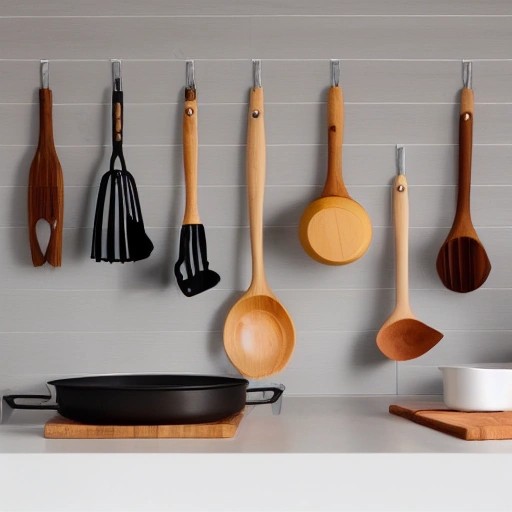
- A spatula, wooden spoon, and tongs – basic utensils for daily cooking
Good tools make cooking faster and more enjoyable. Cheap tools often break or underperform.
Appliances: What to Buy and When
The big decisions involve appliances. Here’s where cost planning and capital budgeting actually matter.
| Appliance | Purpose | Lifespan | Cost Range | Energy Rating |
|---|---|---|---|---|
| Refrigerator | Food storage | 10-15 years | $500-$1500 | ENERGY STAR recommended |
| Oven/Stove | Cooking/baking | 13-15 years | $500-$1200 | Gas or electric options |
| Microwave | Reheating | 7-10 years | $80-$300 | Low energy usage |
| Dishwasher | Cleaning dishes | 8-12 years | $400-$900 | Water efficient models available |
| Air Fryer | Healthy frying | 3-5 years | $50-$200 | Lower energy than traditional ovens |
For first apartments, check if appliances are already included. Many rentals provide the refrigerator and stove. If not, consider used or refurbished options to save money.
Appliance depreciation is real. New appliances lose value quickly. Buying quality used items from trusted sources makes financial sense for a first apartment.
Kitchen Organization: Making the Most of Your Space
Space utilization is critical in smaller apartments. You need to maximize every inch. Kitchen footprint matters more than you think.
Storage Solutions That Actually Work
- Magnetic knife strips – saves drawer space and keeps knives accessible
- Pot racks – hang cookware to free up cabinets
- Under-sink organizers – use vertical space for cleaning supplies
- Corner shelves – awkward spaces become useful storage
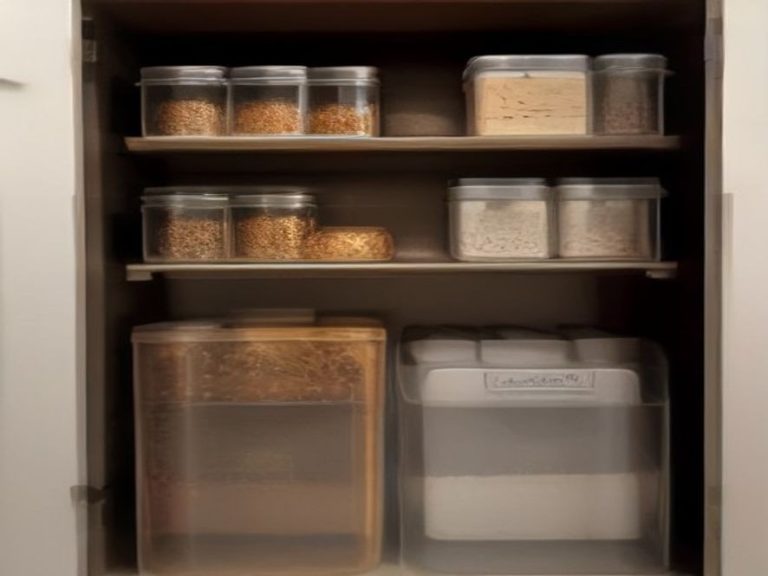
- Clear containers – see what you have to avoid buying duplicates
Kitchen design doesn’t have to be expensive. Simple shelves, hooks, and containers transform how your kitchen works. Space planning prevents cluttered counters and lost items.
Layout Optimization for Small Kitchens
Think about workflow. Your kitchen should have a natural flow: storage → prep → cooking → serving. Workflow efficiency saves time and frustration.
Position your cutting board near the stove. Keep utensils close to where you cook. Store frequently used items at waist height.
The Money Side: Budgeting for Your Kitchen
Financial planning for a kitchen involves more than the initial purchase. Oven energy costs, water consumption from dishwashers, and electricity bill impacts add up.
Energy and Water Considerations
Kitchen energy usage represents about 10-15% of household energy bills. Older appliances use more energy. An energy audit helps identify where you can save.
Water efficiency matters too. Modern dishwashers use 3-5 gallons per load versus hand washing which uses up to 27 gallons. Water consumption affects your bills, so consider water usage when choosing appliances.
Cost Planning for Long-Term Savings
Replacement planning means knowing when appliances need updates. Oven throughput and production capacity matter less for home cooks, but operating cost matters a lot.
Investment calculator thinking helps: A $600 refrigerator that uses less energy saves money over 10 years compared to a $400 model with higher energy costs. ROI formula applies to kitchen purchases too.
- Oven energy efficiency – convection ovens use less energy and cook faster
- Refrigerator energy – check the yellow EnergyGuide label
- Dishwasher water use – look for ENERGY STAR models
- Microwave vs. oven – microwave uses about 70% less energy for reheating
Kitchen Safety and Maintenance
Fire safety isn’t exciting, but it’s essential. Class K fire extinguishers work on kitchen fires. NFPA 10 standards cover extinguisher placement. Every kitchen needs one.
Safety Essentials
- Fire extinguisher – mounted where you can reach it easily
- Smoke detector – functional with fresh batteries
- First aid kit – burns and cuts happen in kitchens
- Proper ventilation – range hoods remove smoke and fumes
Kitchen ventilation prevents smoke buildup and improves air quality. Exhaust CFM ratings matter – larger cooktops need stronger ventilation. Makeup air systems become important with powerful exhaust fans.
Regular Maintenance Habits
Kitchen maintenance prevents problems:
- Clean the refrigerator coils annually
- Descale your coffee maker monthly
- Check oven seals for damage
- Clean the dishwasher filter regularly
- Inspect gas lines for damage (if you have gas appliances)
Gas safety is critical. NFPA 54 covers gas piping standards. Gas sizing and BTU demand affect how well your appliances work. If you smell gas, leave immediately and call the utility company.
Comparison: Essential vs. Nice-to-Have Items
| Category | Essential | Nice to Have | Skip |
|---|---|---|---|
| Cookware | 1 skillet, 1 saucepan, 1 stockpot | Dutch oven, wok, non-stick set | Single-purpose pans |
| Knives | Chef’s knife, paring knife | Bread knife, Santoku, steak knives | Knife sets with unnecessary pieces |
| Small Appliances | Microwave | Air fryer, blender, toaster | Egg cooker, quesadilla maker |
| Storage | 1 set of containers | Glass containers, specialized organizers | Excessive matching sets |
| Bakeware | 1 baking sheet | Cake pans, muffin tin, pie dish | Seasonal baking items |
| Utensils | Spatula, spoon, tongs | Whisk, meat thermometer, peeler | Unitaskers like garlic presses |
Frequently Asked Questions
Why does my kitchen smell bad even when it’s clean?
Check the garbage disposal, drain, and refrigerator – food particles often hide where you least expect them.
How do I fix a clogged sink without calling a plumber?
Use a plunger or baking soda and vinegar combination before trying chemical cleaners.
What’s the best way to clean grease from kitchen surfaces?
Mix warm water with dish soap and a splash of vinegar for most surfaces – it cuts through grease effectively.
How often should I replace kitchen sponges?
Replace them weekly or microwave them damp for 30 seconds to kill bacteria between uses.
What should I do if my oven isn’t heating properly?
Check the heating element for visible damage or test the temperature with an oven thermometer before calling a repair person.
How can I save on my electricity bill with kitchen appliances?
Use smaller appliances like microwaves and air fryers for small meals instead of the full oven.
What’s the best way to organize a small kitchen?
Use vertical space with shelves and hooks, store items by frequency of use, and eliminate duplicates.
The Bottom Line
Building a first apartment kitchen isn’t about having everything. It’s about having the right things that serve multiple purposes. A 10-inch skillet and a good knife handle 80% of your cooking needs. Starting simple and adding tools as you need them saves money and prevents clutter.
Understanding appliance cost, kitchen energy, and replacement planning helps you make smarter buying decisions. Layout optimization and space planning make your kitchen work better. And kitchen maintenance keeps everything running smoothly for years.
Remember: The best kitchen tool is the one you actually use. Start with the basics, cook often, and figure out what works for your style.
Essential Kitchen Setup and Maintenance Resources for Your First Apartment:
- ENERGY STAR Appliance Guide
- NFPA Fire Safety Standards
- The Kitchn’s Kitchen Essentials Guide
- Consumer Reports Appliance Ratings
Which kitchen problem do you want solved next? Share your thoughts in the comments.