The Best Way to Stock Your First Kitchen: A Complete Guide to Essentials to Buy Before Your First Grocery Trip
You have the keys to your new place, but when you look at the empty cabinets, you realize you cannot cook a single meal because you forgot to buy the tools to actually prepare and eat it.
This is one of the most common mistakes new homeowners and renters make. You get excited about filling the fridge with fresh food, only to come home and realize you have no pots to cook it in, no knife to chop vegetables, and no plates to eat from. Setting up a kitchen is a two-step process. Before you even think about groceries, you need the equipment to turn raw ingredients into meals.
TL;DR: This guide covers the kitchen tools and staples you need to buy before your first grocery trip. It highlights essential cookware, utensils, and dinnerware that let you cook and eat basic meals. It also covers the pantry and fridge staples you will need for that first week. With this approach, you will be ready to cook real meals from day one.
Key Takeaways
- Tools First, Groceries Second: Buy cookware, utensils, and dinnerware before filling your fridge. You cannot cook without equipment.
- Start with the Basics: One skillet, one saucepan, a chef’s knife, and a cutting board are enough to cook most simple meals.
- Keep Dinnerware Simple: Four to six place settings of plates, bowls, and silverware are plenty for the first week.
- Pantry Staples: Stock up on cooking oil, salt, pepper, pasta, rice, and canned goods to make quick meals.
- Don’t Overbuy Fresh: Buy a few days’ worth of fresh produce and protein so nothing goes to waste while you settle in.
The Real Causes Behind First Kitchen Shopping Mistakes and How to Fix It
The biggest mistake people make is heading straight for the grocery aisles before they have the basics to cook. They buy fresh vegetables, meat, and dairy, only to realize at home that they have nowhere to store them properly and no tools to prepare them.
Why We Shop Backward
Retailers make it easy to see colorful produce and ready-to-eat meals. But new renters often overlook the boring stuff: pots, pans, and basic utensils. Experts recommend starting with essentials like a sheet pan, a chef’s knife, a cutting board, a stainless-steel pot, and a skillet of some kind. With just those items, you can make most simple meals.
“Most kitchen problems come from small maintenance habits that are often ignored.”
The Strategic First Shop
Experts advise building your kitchen slowly and strategically with hardworking tools that earn their keep. This guide is divided into three sections:
- What to Buy Before Your Grocery Trip: The equipment and pantry basics you need first.
- Pantry and Fridge Staples: The food items to get on that first grocery run.
- What to Skip (For Now): Items that can wait until you are settled.
Essential Cookware and Utensils: What to Buy First
You do not need a full matching set of cookware. Experts warn against falling into that trap, as cheap sets often have coatings that flake off or materials that warp quickly. Here is the starter kit that will get you through that first week.
Must-Have Cookware
- Large Skillet: A 10- to 12-inch skillet is the workhorse of your kitchen. Use it for eggs, pancakes, sautéing vegetables, and searing meat. Cheaper nonstick pans can warp and flake, so invest in a durable option like carbon-steel or titanium-coated.
- Medium Saucepan: Perfect for boiling eggs, making rice, heating soup, or preparing small batches of pasta. A 2- to 3-quart saucepan is a versatile everyday tool.
- Large Stockpot: For pasta nights, chili, and one-pot meals. A 6- to 8-quart pot is a good all-purpose size.
- Baking Sheet: A rimmed half-sheet pan is incredibly useful. Use it for roasting vegetables, baking cookies, or reheating leftovers.
- Colander/Strainer: You will make pasta, so you need a way to drain it. A simple colander is a must-have.
Essential Kitchen Tools
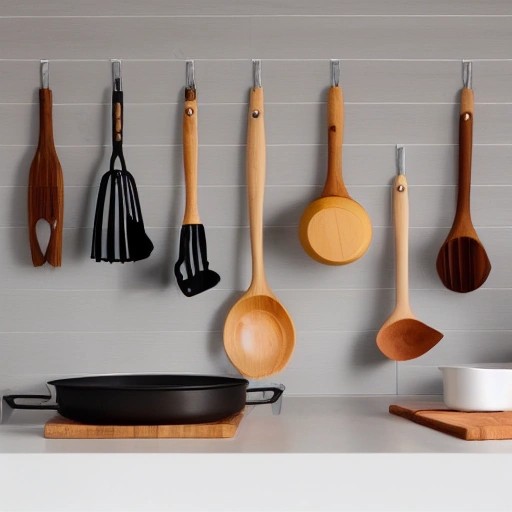
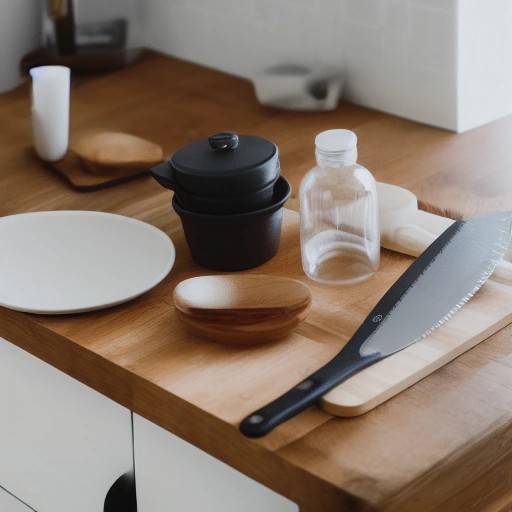
- Chef’s Knife (Your Most Important Tool): Do not buy a knife block set. Buy one good chef’s knife. It will be safer and more comfortable to use than a cheap set. A basic chef’s knife and a small paring knife are all you need.
- Cutting Board: A wooden or plastic board large enough to work on. Avoid glass boards, which dull knives quickly.
- Spatula: For flipping eggs, burgers, and pancakes.
- Tongs: Like an extension of your hand. Use them for flipping, tossing, and serving.
- Wooden Spoon: Strong enough to scrape up sticky bits without damaging your pans.
- Measuring Cups and Spoons: Essential for following recipes. Get a set that fits into spice jars.
- Can Opener: Buy a good one. It will last for years.
- Instant-Read Thermometer: Builds confidence for new cooks by taking the guesswork out of cooking meat.
Dinnerware and Cleaning Supplies
Before you sit down to eat, you need surfaces to eat off of and a way to clean up.
Dinnerware
Start with four to six place settings. This is enough for you and a guest or two, and it gives you a buffer between dishwashing.
- Plates (4–6 dinner plates)
- Bowls (4–6, useful for cereal, soup, and pasta)
- Mugs or glasses (4–6)
- Silverware (4–6 sets)
Cleaning and Storage
These are easy to forget but essential for keeping your kitchen functional.
- Dish soap and sponges: To wash what you use.
- Dish towels: For drying hands, dishes, and wiping counters.
- Food storage containers: For leftovers. Meal prep is how you save money.
- Aluminum foil or plastic wrap: To cover leftovers or protect your baking sheet.
Small Appliances: Start with the Basics
Pick one or two small appliances that match your lifestyle. You can add more later.
- Coffee Maker: If you drink coffee, this is a non-negotiable. It is also way cheaper than daily Starbucks.
- Toaster or Toaster Oven: For bread, bagels, and quick snacks. A toaster oven is more versatile.
- Microwave: A lifesaver for reheating leftovers when you are too tired to cook.
Your First Grocery Trip: Pantry, Fridge, and Freezer
Once you have the tools, it is time to buy the food. Focus on versatile staples that can make a variety of simple meals.
Pantry Staples
These items have a long shelf life and will form the base of many meals.
- Cooking Oil: Olive oil is versatile for cooking and salads. Vegetable or canola oil is a good budget alternative.
- Salt and Pepper: The absolute basics for seasoning everything.
- Pasta and Rice: Affordable and filling bases for most meals.
- Canned Beans and Tomatoes: For quick chili, soups, and pasta sauces.
- Pasta Sauce: A jar of sauce makes pasta night easy.
- Canned Tuna or Chicken: A quick protein for sandwiches or salads.
Fridge and Freezer Essentials
Buy only a few days’ worth of fresh items so you do not waste food while you settle in.
- Eggs: The most versatile protein in the kitchen. Use them for breakfast, lunch, or dinner.
- Milk/Milk Alternative: For cereal, coffee, and cooking.
- Butter: For cooking, spreading, and adding flavor.
- Chicken Breasts or Ground Meat: Easy proteins that can be used in many different dishes.
- Frozen Vegetables: Convenient and long-lasting. Add them to stir-fries and pasta.
- Fresh Onions and Garlic: The flavor foundation for almost every savory dish.
- Fresh Fruits (Apples, Bananas): Healthy snacks that do not go bad too quickly.
Spices and Condiments
You do not need a full spice rack on day one. Buy them as you need them. Start with these versatile options.
- Garlic Powder and Onion Powder: Add flavor to almost anything.
- Chili Powder: For a little heat in chili, tacos, and meat.
- Ketchup, Mustard, Mayonnaise: Classic condiments for sandwiches and burgers.
- Soy Sauce: For quick stir-fries and Asian-inspired meals.
Comparison Table: What to Buy First vs. Later
| Category | Buy Now | Buy Later |
|---|---|---|
| Cookware | Large skillet, medium saucepan, stockpot, baking sheet, colander | Dutch oven, cast-iron skillet, specialty pans |
| Tools | Chef’s knife, cutting board, spatula, tongs, wooden spoon, measuring cups, can opener | Microplane, salad spinner, pizza cutter, specialized gadgets |
| Appliances | Coffee maker, microwave, toaster | Air fryer, Instant Pot, immersion blender, stand mixer |
| Dinnerware | 4–6 plates, bowls, mugs, silverware | Matching formal sets, serving platters, specialty glassware |
| Pantry | Cooking oil, salt, pepper, pasta, rice, canned beans, pasta sauce | Specialty spices, premium oils, baking supplies |
| Fridge | Eggs, milk, butter, chicken, onions, garlic, apples, bananas | Specialty cheeses, fresh herbs, pre-made meals |
Chart: Essential First Kitchen Budget Allocation
This chart shows a suggested budget breakdown for your first kitchen setup and grocery trip.
First Kitchen Budget Distribution
Note: These percentages are a general guide. Adjust based on what you already have and your cooking needs.
FAQ Section
1. What kitchen tools do I need before my first grocery trip?
A large skillet, a medium saucepan, a chef’s knife, a cutting board, a spatula, and basic dinnerware.
2. Should I buy a full cookware set?
No. Experts recommend avoiding sets. Buy individual pieces that you will actually use.
3. What pantry staples should I stock on the first grocery trip?
Cooking oil, salt, pepper, pasta, rice, canned beans, canned tomatoes, and jarred pasta sauce.
4. How many plates and bowls do I need for a first kitchen?
Four to six place settings are plenty. You can always buy more later.
5. What fresh foods should I buy first?
Eggs, milk, butter, chicken, onions, garlic, and a few fresh fruits like apples or bananas.
6. Is a coffee maker really necessary?
If you drink coffee, yes. It will save you a lot of money compared to daily coffee shop runs.
7. What can I skip buying right away?
Skip specialty gadgets like garlic presses, avocado tools, and air fryers. Also skip full spice racks—buy spices as you need them.
References
Trusted Sources for First Kitchen and Grocery Essentials:
- Apartment List – First Apartment Grocery List
- This Farm Girl Cooks – First Kitchen Essentials List
- Bon Appétit – First Apartment Starter Kit
- KitchenGrove – First Grocery Run Essentials
Which first kitchen problem do you want solved next? Share your thoughts in the comments.