The Complete Guide to Why Your Kitchen Countertop Has a White Film After Cleaning: Causes and Solutions
You wipe down your countertop, expecting a brilliant shine, but instead, you’re left with a frustrating, hazy white film that makes your kitchen look dirtier than before you started.
You know the feeling. You’ve put in the effort to clean, but the results are disappointing and confusing. That white film is a common issue, and understanding its cause is the first step to fixing it. The good news is that the problem usually comes from one of three places: the minerals in your water, the cleaning products you’re using, or how you’re applying them.
The Real Causes Behind the White Film and How to Fix Them
1. Mineral Deposits from Hard Water
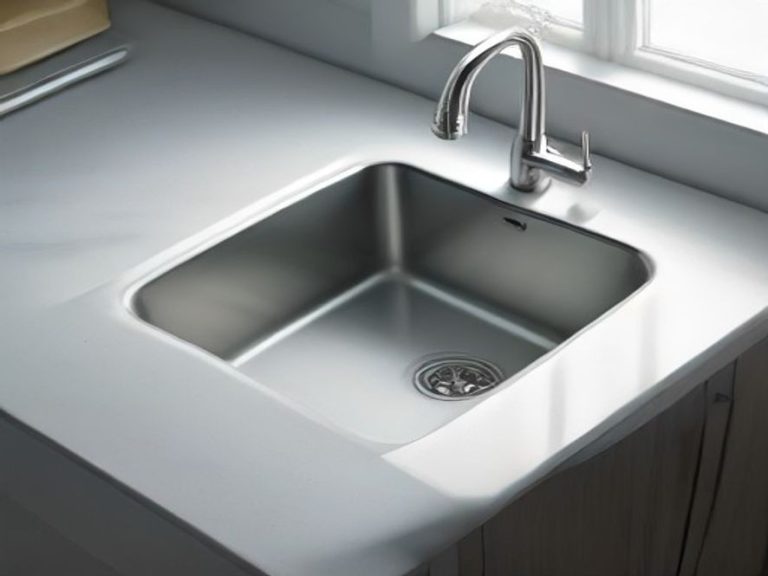
This is the most common culprit. If you live in an area with hard water, it contains dissolved minerals like calcium and magnesium. When you rinse your countertop or a spill dries, the water evaporates, leaving these minerals behind as a chalky, white film. This is especially common in areas around the sink.
The Best Way to Fix It:
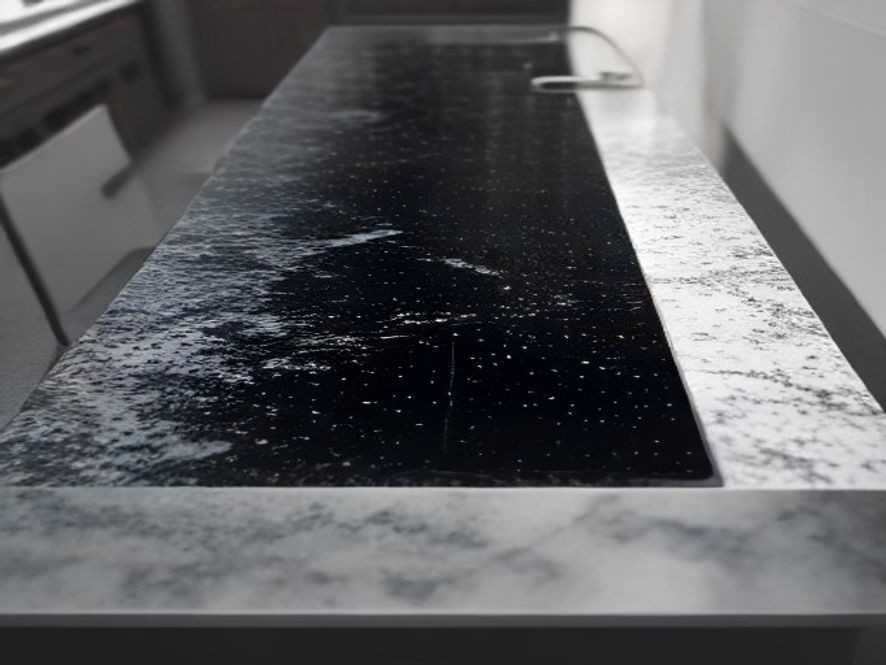
- For Granite and Natural Stone: Try a gentle paste of baking soda and water. Apply it to the stain, let it sit for 10-15 minutes, then gently scrub with a soft cloth before rinsing. For stubborn deposits, a razor blade can be used with extreme caution, holding it flat against the surface to gently chip away at the residue. However, this is risky and can scratch the sealant, so it’s best to proceed with care or avoid it altogether.
- For Quartz: Because quartz is non-porous, these deposits sit on the surface. Warm water with a few drops of mild dish soap is often enough. For tougher spots, use a non-abrasive cleaner specifically designed for quartz.
- For Laminate: A non-abrasive household cleaner or a baking soda paste (applied gently with a soft cloth) can lift the marks without scratching the surface.
2. Residue from Cleaning Products
Using too much cleaner, not diluting a concentrate properly, or skipping the final rinse can leave a film of its own. This residue can be sticky or look like a cloudy white haze.
The Best Way to Fix It:
- The Simple Fix: The most effective solution is often just a thorough rinse. Go over the countertop again with a clean cloth and plain water, then dry it immediately with a clean, dry towel.
- A Natural Remedy: For stubborn product residue, a solution of equal parts white vinegar and water can help dissolve it. However, never use vinegar on natural stone like granite or marble, as the acid can cause permanent etching.
3. Chemical Etching (Damage)
This is different from a deposit. Etching is a physical alteration of the surface caused by acidic substances (like vinegar, lemon juice, or some cleaners) reacting with the stone, particularly on marble and travertine. The mark looks dull and cloudy because the shine has been removed, and the surface may feel slightly rough.
The Best Way to Fix It:
- Etching is essentially damage, and cannot be fixed with cleaning. It often requires professional re-polishing to restore the original finish.
Comparison Table: Diagnosing the White Film on Your Countertop
| Type of Mark | Appearance | Common Cause | The Best Way to Fix It |
|---|---|---|---|
| Mineral Deposit | Chalky, crusty, powdery white film, often around sink or faucet | Hard water evaporating and leaving calcium/magnesium behind | Paste of baking soda and water, gentle scrubbing, and rinsing. Use stone-specific products for natural stone. |
| Product Residue | Hazy, cloudy, or sticky film over a larger area | Using too much cleaner, not rinsing properly, or using undiluted concentrate | Rinse thoroughly with clean water and dry. For tougher residue, use a diluted vinegar solution (except on stone). |
| Acid Etching | Dull, cloudy, “burned” spot. Feels slightly rough compared to the surrounding shiny surface | Acidic substances (vinegar, lemon, harsh cleaners) reacting with and damaging natural stone | Cannot be cleaned. Usually requires professional polishing or re-honing to fix the damage. |
Chart: How to Choose the Right Cleaning Method for the White Film
The chart below shows the effectiveness and safety of common cleaning methods for different causes of white film.
FAQs: Quick Solutions for a White Film on Countertops
What is the white film on my countertop after cleaning?
It is most often a hard water mineral deposit left behind by evaporated water, or residue from a cleaner that wasn’t fully rinsed off.
What is the best way to remove hard water stains from granite?
A paste of baking soda and water is a safe and effective first step. Apply, let it sit for 10-15 minutes, gently scrub, and rinse well.
Why can’t I use vinegar on my granite countertops?
Vinegar is acidic and can etch the surface of natural stone, removing the polish and causing a dull, permanent mark.
Why does my countertop feel sticky after cleaning?
A sticky film often means you’ve used too much cleaning product and it hasn’t been rinsed off properly.
How do I prevent the white film from returning?
Wipe up spills and water droplets immediately, and always dry your countertops thoroughly after cleaning to prevent minerals from being left behind as water evaporates.
Which kitchen problem do you want solved next? Share your thoughts in the comments.
References and Further Reading on Countertop Cleaning and Maintenance: