The Complete Guide to the Best Way to Clean Kitchen Floor Grout That Has Turned Dark: Easy Solutions
Those dark, dingy grout lines can make your entire kitchen floor look dirty, even after you’ve just mopped—but you can bring them back to life without replacing them.
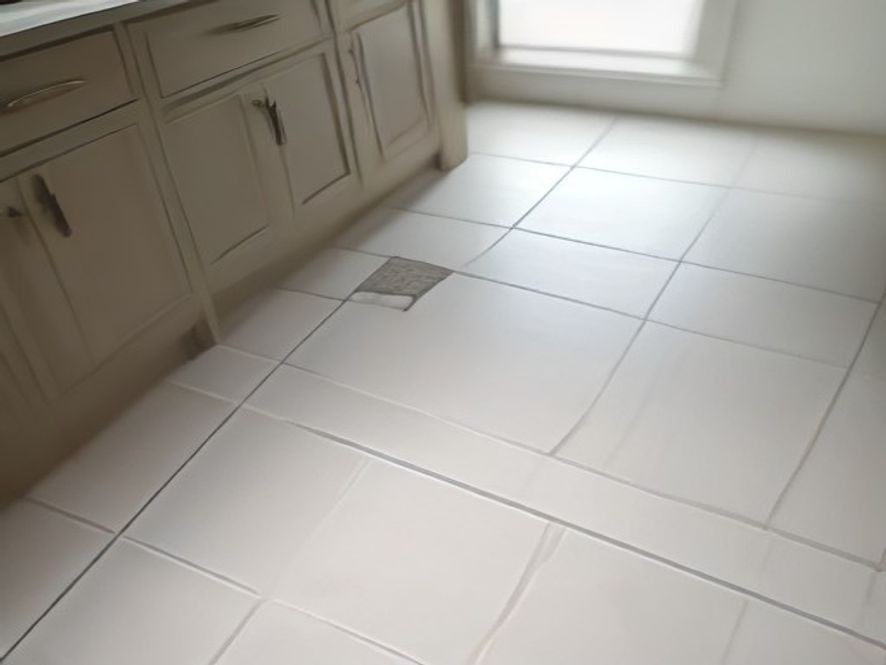
You know the frustration. You sweep and mop regularly, but the grout near your stove and in high-traffic areas has turned an ugly, dark gray or brown. The tile itself looks fine, but the grout lines ruin the whole effect. This happens because grout is porous—it absorbs dirt, grease, and cleaning residue over time . The good news is that with the right approach, you can restore your grout’s original color.
TL;DR
- Why grout turns dark: Grout sits lower than tile, so dirt and grease collect there. Mopping can actually push grime into the grout instead of removing it .
- The best DIY starter method: A paste of baking soda and water is safe for all grout types and brightens most surface stains .
- For stubborn grease in kitchen grout: Add a few drops of dish soap to your cleaning solution—it cuts through cooking grease better than baking soda alone .
- Always test first: Before using any cleaner—especially vinegar, peroxide, or bleach—test it on a small, hidden area to avoid discoloration .
Key Takeaways
- Sweep or vacuum thoroughly before you start any wet cleaning. Loose dirt turns into muddy grit when wet, making scrubbing harder .
- Give cleaners time to work. Most grout cleaners need 5–15 minutes of “dwell time” to penetrate and break down grime before you scrub .
- For deep-set stains, a commercial grout cleaner might be necessary. Products like CLR Brilliant Bath or Zep Grout Cleaner are often more effective on years-old stains than DIY solutions .
- Rinse thoroughly after cleaning. Leftover cleaner residue attracts new dirt and makes grout look dingy faster .
- Consider sealing after cleaning. A grout sealer prevents future stains and makes cleaning much easier going forward .
Step-by-Step Guide: Choose the Right Method for Your Grout
1. The Problem: Light to moderate grout discoloration.
- The Best Way to Fix It: Start with a simple, safe baking soda paste. Mix baking soda with enough water to form a thick, spreadable paste . Apply the paste directly onto the grout lines and let it sit for 10–15 minutes . Scrub gently with a stiff-bristled brush or an old toothbrush, then rinse with clean water and dry .
- If your grout is in the kitchen and feels greasy, add a drop or two of dish soap to the paste. The soap breaks down cooking oils more effectively .
2. The Problem: Stubborn, set-in stains and older grout.
- The Best Way to Fix It: A paste made from baking soda and hydrogen peroxide often delivers better results for deeper stains . Mix the two into a thick paste, apply to the grout lines, let sit for 10–15 minutes, scrub, and rinse .
- Important: Hydrogen peroxide has a mild bleaching effect. Test it on a small, hidden area first, especially if your grout is colored .
- An alternative is oxygen bleach (sodium percarbonate). Dissolve it in warm water according to package directions, apply to grout, let it sit, scrub, and rinse. It’s gentler than chlorine bleach and safer for colored grout .
3. The Problem: Very old, deeply embedded grout stains that won’t budge.
- The Best Way to Fix It: You may need a commercial grout cleaner. Products like CLR Brilliant Bath Foaming Cleaner and Zep Grout Cleaner and Brightener are frequently recommended for tough jobs . Apply according to the instructions, give it adequate dwell time, scrub, and rinse thoroughly .
What Not to Do: Common Grout Cleaning Mistakes
- Don’t use vinegar on natural stone or unsealed grout. Vinegar is acidic and can etch marble, limestone, and travertine, and may damage unsealed grout over time .
- Don’t use metal brushes. They can scratch both tile and grout .
- Don’t skip the rinse. Residual cleaner attracts new dirt .
- Don’t mix cleaning chemicals. Never mix bleach with vinegar or hydrogen peroxide—this creates toxic fumes .
Comparison Table: Grout Cleaning Methods
| Method | Best For | Effectiveness | Difficulty | Cost |
|---|---|---|---|---|
| Baking Soda & Water | Light, everyday grout discoloration | Good – Safe for all grout types | Low | Very Low |
| Baking Soda & Dish Soap | Greasy kitchen grout near stove | Better – Cuts through cooking oils | Low | Very Low |
| Baking Soda & Peroxide | Stubborn set-in stains | Better – Brightens and lifts deeper grime | Low | Very Low |
| Commercial Grout Cleaner | Very old, deeply embedded stains | Best – Fastest and strongest | Medium | Medium |
Chart: How Different Methods Perform on Kitchen Grout
FAQs: Quick Solutions for Dark Kitchen Grout
Why is my kitchen grout turning dark?
Grout is porous and sits lower than tile, so it collects dirt, grease, and cleaning residue over time. Mopping can push grime into the grout instead of removing it .
What’s the best homemade grout cleaner?
For kitchen grout, a paste of baking soda with a few drops of dish soap is very effective at cutting through grease. For deeper stains, try a paste with baking soda and hydrogen peroxide .
Is vinegar safe for cleaning grout?
Only on sealed ceramic or porcelain tile. Vinegar is acidic and can damage natural stone (marble, travertine) and unsealed grout .
Do I need to seal grout after cleaning?
Yes. Applying a grout sealer after the grout is completely dry helps prevent future stains and makes cleaning much easier .
Can I use a steam cleaner on grout?
Yes, steam cleaning is an effective, chemical-free method for deep cleaning grout. It works particularly well on kitchen floors, but avoid using it on damaged or crumbling grout .
Will a mop clean dark grout?
No. Mopping often pushes dirt and grime deeper into the grout lines. Dark grout typically requires scrubbing with a brush and the right cleaner to restore its color .
Which kitchen problem do you want solved next? Share your thoughts in the comments.
References and Further Reading on Kitchen Grout Cleaning and Maintenance: