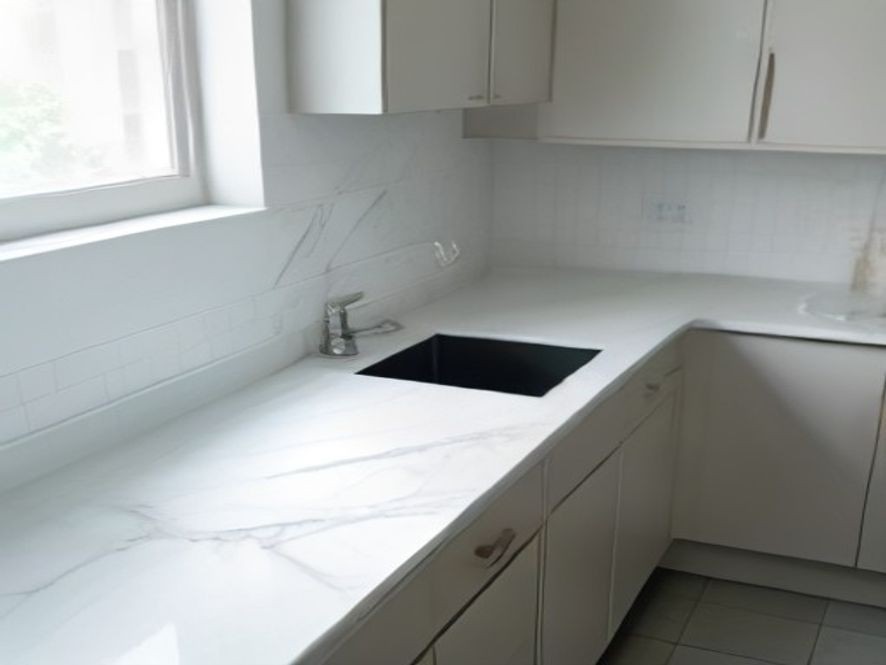
The Complete Guide to the Best Way to Clean Quartz Countertops Without Damaging the Finish: Safe Solutions
Your quartz countertops are stunning and durable, but using the wrong cleaner—like vinegar or bleach—can permanently dull their beautiful, glossy finish.
Quartz countertops are engineered from crushed stone and resin, making them non-porous, stain-resistant, and a favorite for modern kitchens . However, this same resin is sensitive to harsh chemicals and acidic cleaners that can break it down over time . The good news is that keeping them spotless is wonderfully simple once you know the right method. This guide will walk you through safe, effective cleaning to maintain that factory-fresh shine for years to come.
TL;DR
- Stick to the basics: The safest and most effective daily cleaner is warm water and a few drops of mild dish soap. This removes everyday messes without any risk of damage .
- Avoid acids at all costs: Stay away from vinegar, lemon juice, and other acidic cleaners, as they can dull the finish and weaken the resin .
- Say no to harsh chemicals: Products with bleach or ammonia can cause discoloration and permanent surface damage .
- Use gentle tools: Always use soft microfiber cloths or non-abrasive sponges. Steel wool and scouring pads will scratch the surface .
The Real Causes of Dullness and Damage and How to Fix Them
Unlike natural stone, quartz is non-porous, meaning liquids don’t soak into the material itself . However, the resin binders that give quartz its strength and color can react to the wrong cleaning agents. Acidic substances like vinegar and lemon juice, harsh solvents like bleach and oven cleaner, and abrasive scrubbers are the primary culprits behind a dull, scratched, or permanently damaged finish .
Step-by-Step Fix Guide for Pristine Quartz Countertops
1. The Problem: Everyday grime, fingerprints, and light spills.
- The Best Way to Fix It: For daily cleaning, all you need is warm water and a few drops of mild dish soap .
- Step 1: Fill a bowl with warm water and add a small amount of dish soap .
- Step 2: Dip a soft microfiber cloth or non-abrasive sponge into the solution and wring it out well so it’s damp, not soaking wet .
- Step 3: Wipe the countertop clean in gentle circular motions to lift away grease and food residue .
- Step 4: Rinse the surface with a separate cloth dampened with clean water to remove any soapy residue .
- Step 5: Dry and buff the countertop with a clean, dry microfiber cloth to a streak-free shine .
- I just want to add that: “A quick daily wipe with soapy water and a soft cloth is the simplest way to keep your quartz looking brand new.”
2. The Problem: A stubborn stain from coffee, tea, wine, or grease.
- The Best Way to Fix It: First, be sure to act quickly as spills can be harder to remove the longer they sit .
- For General Stains: Use a soft gel cleaner like Soft Scrub or a scouring powder like Bar Keepers Friend to tackle discoloration . Apply a small amount to a damp cloth (not directly on the surface) and gently rub the stain. Rinse thoroughly with water and dry .
- For Grease Stains: Make a paste with baking soda and water . Apply the paste to the stain, let it sit briefly, and wipe clean. Baking soda is a gentle and effective cleaning agent for quartz .
- For Tough Discoloration: A solution of equal parts 3% hydrogen peroxide and water can be used to lift stains . Spray the solution on the stain, scrub gently with a soft cloth, then rinse and dry .
- Safety reminder: Never leave any cleaning product on the quartz for an extended period. Always rinse thoroughly to prevent any residue from dulling the surface .
What to Absolutely Avoid: The Quartz No-Fly List
Understanding what not to use is just as important as knowing the right methods . Here’s a quick list of products to keep far away from your quartz countertops:
- Acidic Cleaners: Vinegar, lemon juice, and other acidic solutions can dull the finish and weaken the resin .
- Products with Bleach: Avoid bleach and any cleaners that contain it, as they can cause discoloration and damage the resin .
- Ammonia-Based Cleaners: Many glass cleaners contain ammonia, which can be too harsh for quartz and dull the surface over time .
- Abrasive Tools: Steel wool, scouring pads, and harsh scrubbing sponges will scratch and dull the finish .
Comparison Table: Good vs. Bad Cleaners for Quartz
| Type | Recommended? | Examples & Notes |
|---|---|---|
| Mild Dish Soap & Water | ✅ Yes | Safe for daily cleaning; the best and most frequently recommended method |
| Baking Soda | ✅ Yes | Gentle abrasive; effective as a paste for grease stains |
| Hydrogen Peroxide (Diluted) | ✅ Yes | OK for stain removal; use equal parts peroxide and water, rinse well |
| Rubbing Alcohol (Diluted) | ✅ Yes | Good for disinfecting; mix 1:1 with water; safe and effective |
| Soft Scrub / Bar Keepers Friend | ✅ Yes (with care) | OK for stubborn stains; apply to cloth, not the countertop, and rinse thoroughly |
| Vinegar | ❌ No | Acidic; can break down resin and dull the finish |
| Bleach | ❌ No | Damages resin, causes discoloration |
| Ammonia (e.g., Windex) | ❌ No | Harsh chemical; can dull the surface |
| Oven Cleaner / Drain Cleaner | ❌ No | Highly alkaline/corrosive; causes irreversible damage |
Chart: How Different Cleaners Impact Quartz Finish
The chart below illustrates the safety and effectiveness of common cleaning methods for your quartz countertops.
FAQs: Quick Solutions for Quartz Countertop Care
What is the safest way to clean quartz countertops every day?
The safest and most effective daily cleaner is warm water with a few drops of mild dish soap, applied with a soft microfiber cloth and rinsed with clean water .
Why can’t I use vinegar to clean quartz?
Vinegar is acidic. It can break down the resin binders in quartz over time, leading to a dull finish, discoloration, and permanent damage .
Is it safe to use bleach on quartz countertops?
No. Bleach, especially in concentrated forms, can weaken the resin, cause discoloration, and leave stains on the surface .
Can I use baking soda on quartz countertops?
Yes, a paste of baking soda and water is a great, gentle option for tackling stubborn grease or stains on quartz .
How do I remove a tough coffee stain from quartz?
Try a gel cleaner like Soft Scrub applied to a damp cloth, or a solution of equal parts water and hydrogen peroxide. Gently rub, then rinse and dry thoroughly .
Which kitchen problem do you want solved next? Share your thoughts in the comments.
References and Further Reading on Quartz Countertop Maintenance: