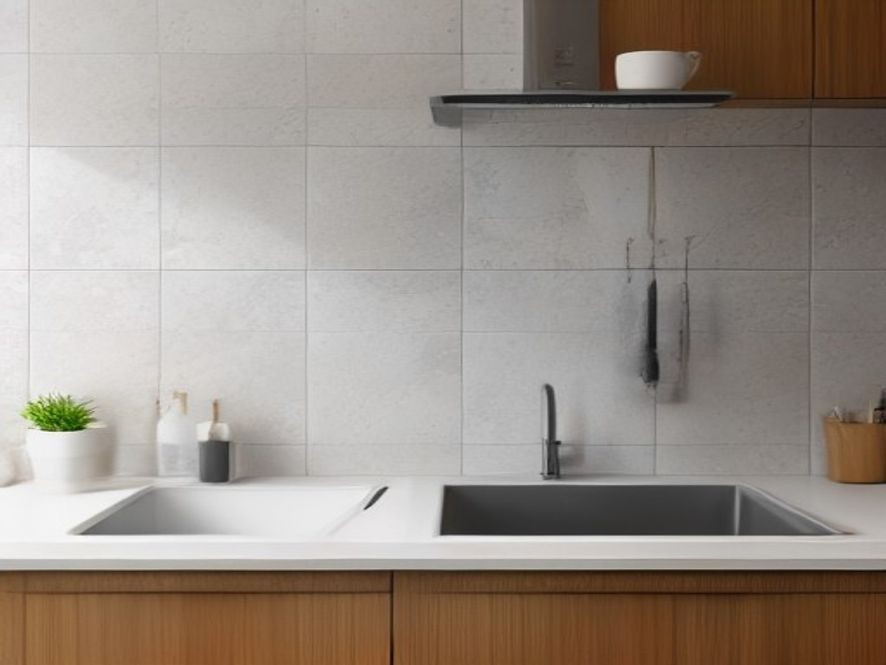
How to Remove Dried Cooking Splashes From Kitchen Walls: Best Cleaning Guide and Solutions
That greasy, sticky residue on your kitchen walls can make your whole cooking space feel grimy, no matter how clean the rest of it is.
You know the feeling. You’ve just finished cooking a delicious meal, and as you look around the kitchen, you notice a constellation of tiny, dried splatters on the wall behind the stove. You wipe at them with a paper towel, but they’ve already baked on, refusing to budge. It’s a common kitchen frustration that can quickly turn a space you love into a source of stress. But don’t worry, restoring your walls to their former glory is easier than you think with the right approach. This guide will walk you through the best ways to tackle that stubborn mess.
TL;DR
- Best Method: A solution of warm water and a few drops of mild dish soap is your safest and most effective starting point for most painted walls .
- Secret Weapon: For stubborn spots, a paste made from baking soda and water can gently lift the grease without damaging the paint .
- Golden Rule: Always test your cleaning solution on a small, hidden area of the wall first to ensure it doesn’t damage the finish.
- Pro Tip: The secret to easy cleaning is acting fast. Fresh splatters wipe away much more easily than dried-on grease.
Key Takeaways
- Preparation is Key: Protect your floors and countertops, and clear the area around the wall before you start .
- Work From Top to Bottom: This prevents dirty water from dripping onto your freshly cleaned lower sections .
- Gentle is Better: Avoid abrasive scrubbers and harsh chemicals that can strip paint or leave dull patches. A soft microfiber cloth or sponge is your best tool .
- Know Your Paint Finish: The cleaning method you use may vary depending on whether you have a glossy, semi-gloss, or flat paint finish .
- Ventilate: Always open a window or turn on your exhaust fan to disperse fumes from any cleaning products you use .
The Best Ways to Banish Dried Splashes and Grease
Removing stubborn cooking splashes isn’t just about making your kitchen cleaning routine easier; it’s about maintaining a hygienic and pleasant cooking space. Grease can trap dust and odors, leading to a less-than-fresh kitchen environment.
Here is a step-by-step guide to help you tackle the problem effectively.
Step 1: Prepare Your Battlefield
Before you start scrubbing, a little preparation will save you time and protect your home.
- Clear the area: Move any small appliances, like your air fryer or toaster, off the counter .
- Protect surfaces: Lay down an old towel or drop cloth along the base of the wall to catch any drips .
- Dust the wall: Use a dry microfiber cloth or the brush attachment on your vacuum to remove loose dust and cobwebs from the top of the wall down to the baseboards . This prevents you from just smearing mud-like streaks when you start washing.
Step 2: Choose Your Cleaning Solution
The best cleaning solution for your walls often depends on their finish. However, for most painted walls, the safest and most effective method starts with a simple combination .
- For Most Painted Walls (Semi-Gloss, Satin, Gloss):
- Mix a few drops of mild dish soap into a bucket of warm water. The goal is to create a slightly soapy solution, not a bubbly one .
- For a little extra power, you can add one cup of white vinegar to four cups of warm water. Remember, vinegar is acidic and should be used cautiously on delicate finishes like matte or eggshell .
- For Flat or Matte Paint:
- These finishes are more porous and fragile. Stick to the mild dish soap and water solution to avoid stripping the paint .
- For Stubborn, Greasy Spots (All Paints):
- Make a paste with three parts baking soda and one part water. Apply this gently to the stain and let it sit for 5-10 minutes before wiping it away with a damp cloth .
Step 3: The Cleaning Process
1. Start at the Top:
Always begin cleaning from the top corner of the wall and work your way down. This ensures that any dirty water that drips down will be cleaned up as you go .
2. Damp, Not Soaking:
Dip your sponge or microfiber cloth into your cleaning solution, and then wring it out thoroughly. It should be damp, not dripping wet. Over-wetting your walls can lead to water damage or peeling paint .
3. Gentle Wipe:
Gently wipe the wall in a circular motion. Let the cleaning solution do the work—there’s no need to scrub aggressively . If you’re dealing with a particularly stubborn spot, try pressing the damp cloth against it for 15-30 seconds to soften the grease .
4. Rinse and Dry:
After cleaning a section, use a second sponge or cloth dampened with clean, plain water to rinse off any soapy residue. Then, immediately dry the area with a fresh, clean towel or microfiber cloth to prevent water marks and streaks .
Comparison of Wall Cleaning Methods
| Method / Solution | Best For | Difficulty | Cost |
|---|---|---|---|
| Warm Water + Dish Soap | Light to moderate grease on most paints | Easy | Very Low |
| Warm Water + Vinegar | Tougher grease on durable, glossy paints | Easy | Low |
| Baking Soda Paste | Stubborn, baked-on splatters & grease spots | Moderate | Low |
| Commercial Degreaser | Heavy grease build-up (test first) | Moderate | Medium-High |
Preventing Future Splatters
An ounce of prevention is worth a pound of cure, especially in the kitchen. The best way to avoid this chore is to tackle splatters as soon as they happen.
- Wipe as you go: Keep a microfiber cloth handy and wipe the wall behind your stove after each cooking session while the splatters are still fresh.
- Use splatter screens: A simple splatter screen can catch most of the flying oil and sauce when you’re frying or sautéing .
- Use your exhaust fan: Turn on your range hood or exhaust fan while cooking to help vent grease-laden steam and smoke before it settles on your walls .
FAQ
What is the best thing to wash kitchen walls with?
For most painted walls, the best and safest cleaner is a solution of warm water and a few drops of mild dish soap .
Can I use vinegar to clean grease off kitchen walls?
Yes, for durable paint finishes like gloss or semi-gloss, a diluted vinegar solution (1 part vinegar to 4 parts water) can be very effective. However, avoid using it on matte paint, natural stone, or unfinished wood .
How do I remove stubborn, baked-on grease?
For tough spots, make a paste of baking soda and water, apply it to the stain, let it sit for 5-10 minutes, and then wipe it away with a damp cloth .
Can I use a magic eraser on my kitchen walls?
A magic eraser (melamine foam) can be used, but it acts like a very fine sandpaper and can damage the paint sheen or remove the finish altogether . It’s best to test it on a hidden area first and use it very gently as a last resort.
How can I keep my kitchen walls cleaner for longer?
Regularly dusting, using your exhaust fan while cooking, and quickly wiping up splatters when they happen will significantly reduce grease buildup .
Is it safe to use baking soda on painted walls?
Yes, baking soda is a gentle abrasive and is safe for most painted surfaces when used as a paste. It is a fantastic, natural way to tackle stubborn grease .
Why do my kitchen walls feel sticky even after cleaning?
This “sticky” film is usually a buildup of grease mixed with dust. It often means you need to use a stronger degreaser, or you haven’t rinsed the wall thoroughly enough after cleaning, leaving a soapy residue behind.
Learn more about maintaining a clean and efficient cooking space with these trusted resources:
- Good Housekeeping: How to Clean Walls Without Ruining Paint
- Coles: How to Clean Walls
- Houzz: Kitchen Maintenance and Cleaning Tips
Which kitchen problem do you want solved next? Share your thoughts in the comments.