How to Remove Sticky Grease From Kitchen Countertops: Simple Solutions That Work
That sticky, tacky feeling on your kitchen counter can make the whole cooking space feel unclean, even if you just wiped it down.
You know the feeling. You run your hand across the counter after cooking dinner, and instead of a smooth, clean surface, it feels tacky and grimy. That sticky layer is a buildup of grease, dust, and cooking residue that ordinary cleaning just won’t touch. It’s frustrating, but the good news is that you don’t need harsh chemicals to fix it. This guide will show you simple, effective ways to remove sticky grease from your countertops using things you probably already have in your kitchen.
TL;DR (Too Long; Didn’t Read)
Sticky grease buildup happens when cooking oils combine with dust and form a film on your countertops. The best way to remove it is with warm water and a few drops of dish soap. For tougher buildup, use a baking soda paste (3 parts baking soda to 1 part water) or a vinegar and water spray. Important: never use vinegar on natural stone like granite or marble—it can damage them permanently .
Key Takeaways
- Sticky grease is a mixture of cooking oils and dust that builds up over time .
- A simple dish soap and warm water solution is the safest first step for most surfaces .
- Baking soda paste works great for stubborn spots without scratching your countertops .
- Never use vinegar or other acidic cleaners on granite, marble, or other natural stone .
- For porous surfaces like wood, blot the stain and dry immediately to avoid damage .
Why Your Countertops Get Sticky and How to Fix It
That sticky film isn’t just surface dirt. When you cook, heat sends tiny oil particles into the air, and they settle on nearby surfaces. These particles mix with dust and form a greasy layer that water alone can’t remove . If you don’t clean it regularly, this layer thickens and becomes even harder to remove.
The good news is that removing it isn’t complicated. The trick is choosing the right method for your countertop material.
The Simple Dish Soap Method: Your First Step
For most daily grease buildup, a simple solution of warm water and dish soap works wonders . Dish soap is a surfactant—it binds with both oil and water, so it can actually lift grease away instead of just pushing it around .
Step 1: Mix a few drops of mild dish soap into a bowl of warm water .
Step 2: Dip a microfiber cloth into the solution, wring it out so it’s damp but not dripping, and wipe down the greasy areas .
Step 3: Rinse the cloth with clean water and wipe the counter again to remove soap residue.
Step 4: Dry the surface immediately with a clean microfiber cloth to prevent water spots .
This method is safe for most countertop surfaces and is a great place to start .
For Stubborn Grease: Baking Soda Paste to the Rescue
If the dish soap method doesn’t cut it, it’s time to bring in the big guns—baking soda. Baking soda is a mild abrasive and slightly alkaline, which helps break down the acids in grease . It can remove stuck-on grime without scratching your countertops .
Step-by-Step Fix: Baking Soda Paste
1. Mix the Paste: Combine 3 parts baking soda with 1 part water in a small bowl. Stir until it forms a thick, spreadable paste .
2. Apply the Paste: Spread the paste over the sticky grease spots. Let it sit for 10–15 minutes .
3. Wipe It Away: Gently wipe the paste off with a damp microfiber cloth. The grease should come with it .
Vinegar Spray: Effective, But Know Your Surface
Distilled white vinegar is another effective grease remover, but it has a big limitation. You can use a vinegar and water spray on non-stone surfaces like laminate or stainless steel . However, never use vinegar on natural stone like granite or marble. The acid can dull, discolor, or etch the surface permanently .
For surfaces that can handle it, mix equal parts vinegar and water in a spray bottle. Spray the area and let it sit for a couple of minutes before wiping clean with a damp microfiber cloth .
Understanding Different Countertop Materials
The best way to remove grease depends on what your countertop is made of. Here’s a quick guide:
| Countertop Material | Best Cleaning Method | Critical Warning |
|---|---|---|
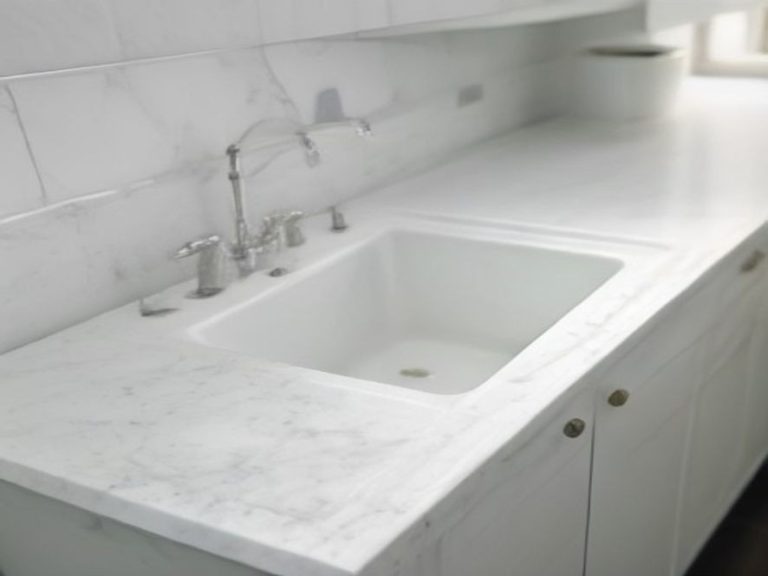
| Granite & Marble | Warm water and mild dish soap; baking soda paste for stubborn spots | Never use vinegar, lemon juice, or any acidic cleaner |
| Quartz | Mild dish soap and water; baking soda paste for stuck-on messes | Avoid abrasive scrubbers that can dull the finish |
| Laminate | Vinegar spray (if safe); baking soda paste; dish soap solution | Don’t scrub too hard—it can scratch the surface |
| Butcher Block / Wood | Dish soap and warm water; dry immediately | Never leave standing water on wood; it can warp and stain |
For natural stone, a pH-neutral stone cleaner is the safest bet. If you’re unsure, stick with the dish soap method .
Prevention: Stop Sticky Grease Before It Starts
As with most kitchen cleaning, preventing buildup is easier than removing it. A quick wipe-down after each cooking session prevents grease from hardening and mixing with dust . “Regular cleaning prevents grease buildup and bad odors.”
FAQ Section
1. Why do my countertops feel sticky even after I clean them?
That sticky feeling is a film of grease and dust that water alone can’t remove. You need a degreaser like dish soap or baking soda to break it down .
2. Can I use vinegar to clean sticky grease off my countertops?
You can use vinegar on laminate and stainless steel, but never on natural stone like granite or marble, as it will damage them .
3. What’s the best way to remove sticky grease from granite?
Use warm water and a few drops of mild dish soap. For stubborn spots, make a paste with baking soda and water .
4. How do I clean sticky grease off wood countertops?
Use a mild dish soap and warm water, then dry the surface immediately to prevent water damage. Don’t leave standing water on wood .
5. Is baking soda safe for all countertops?
Baking soda is a gentle abrasive and is safe for most surfaces, including granite, quartz, and laminate . It’s a great first option for stubborn spots.
6. What’s the best cloth for cleaning greasy counters?
A microfiber cloth is the best choice. It’s non-abrasive, removes grease without smearing, and doesn’t leave streaks or lint .
7. How do I get dried-on grease off my countertop?
Make a thick baking soda paste, apply it to the dried spot, let it sit for 15 minutes, then gently scrub with a damp cloth . For very old buildup, a commercial degreaser might be needed .
Resources for Kitchen Maintenance and Cleaning:
- The Spruce: How to Clean Greasy Countertops
- House Digest: Stop Using Vinegar To Clean Sticky Countertop Grease
Which kitchen problem do you want solved next? Share your thoughts in the comments.