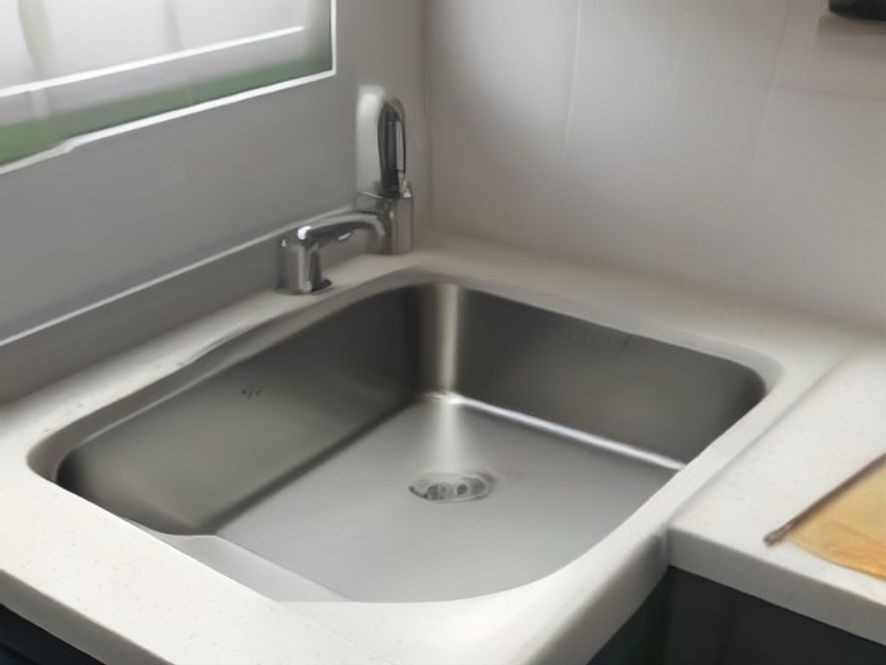
How to Remove Water Spots From Stainless Steel Kitchen Surfaces: Best Cleaning Guide and Solutions
That cloudy, white film on your gleaming stainless steel can make an entire kitchen look dull and uncared for.
You just spent good money on stainless steel appliances to give your kitchen a sleek, modern look. But after a few weeks, you notice it. Hazy water spots on the dishwasher, white rings on the refrigerator door, and a chalky film on your favorite pan. Hard water stains have crashed the party. The good news? They’re not permanent, and you can banish them with items you likely already have in your pantry.
TL;DR
- Main Culprit: Water spots are mineral deposits (calcium and magnesium) left behind when hard water evaporates on the surface .
- Best First Step: Wipe with a solution of equal parts distilled white vinegar and water, then dry immediately with a soft cloth .
- Secret Weapon: For stubborn spots, a thick baking soda paste works wonders without scratching .
- Golden Rule: Always wipe in the direction of the grain to prevent streaks and micro-scratches .
- Pro Tip: The key to prevention is drying. A quick towel-dry after rinsing stops spots from forming .
Key Takeaways
- Gentle is Best: Never use steel wool, abrasive scrubbers, or harsh chemicals like bleach, which can damage the protective finish .
- Find the Grain: Look closely at your appliance or cookware. You’ll see faint lines running in one direction. Always wipe in that direction .
- Vinegar is Your Friend: Distilled white vinegar is a mild acid that dissolves mineral deposits safely and effectively .
- Dry Thoroughly: Leaving any moisture on stainless steel invites new spots to form. Towel drying is essential .
- Avoid Paper Towels: They can leave lint and streaks. A microfiber cloth is your best tool for a streak-free shine .
The Best Ways to Remove Hard Water Stains
Understanding what you’re dealing with is the first step. Those white, cloudy spots aren’t damage to the metal itself. They’re mineral deposits from “hard” water that contains high levels of calcium and magnesium . This is why they appear as a chalky residue, especially after water dries on the surface.
Here’s how to tackle them, from the simplest methods to the most stubborn cases.
Step 1: Gather Your Supplies
You likely already have everything you need:
- Distilled white vinegar (this is essential, not apple cider or other flavored vinegars)
- Baking soda
- Warm water
- Microfiber cloths (two or three is ideal)
- A soft, non-abrasive sponge
Step 2: The Simple Clean-and-Dry Routine
For everyday, light spotting, this two-step process is often enough:
- Wash with Soapy Water: Use a few drops of mild dish soap in warm water. Dampen your microfiber cloth and wipe the surface in the direction of the grain to remove loose dirt and grease .
- Rinse and Dry Immediately: This step is the most important. Rinse any soap residue with clean water, then immediately towel dry the surface. Air-drying is what causes water spots, as minerals are left behind when the water evaporates .
Step 3: Tackle Stubborn Spots
If the spots remain, it’s time to bring in the natural heavy hitters.
Vinegar and Water Solution:
This is the most popular and effective method for a reason .
- Mix a 50/50 solution of distilled white vinegar and warm water in a spray bottle or a bowl .
- Apply the solution directly to the stains. For large appliance surfaces, spray it on. For a pan or sink, you can soak a cloth and lay it over the spot.
- Let it sit for 5-10 minutes to allow the mild acid to break down the minerals .
- Wipe gently with a soft cloth in the direction of the grain .
- Rinse thoroughly with warm water and dry with a clean cloth .
Baking Soda Paste:
For the most stubborn, baked-on mineral deposits, a paste is your best bet .
- In a small bowl, mix baking soda with a little water to form a thick, spreadable paste .
- Apply the paste to the affected area and let it sit for 10-15 minutes, or until it hardens slightly .
- Using a damp, non-abrasive sponge, gently scrub the area in the direction of the grain.
- Rinse thoroughly to remove any powdery residue and immediately towel dry .
Step 4: The Finishing Touch
After removing the water spots, you might want to restore a high-gloss shine. A tiny amount of food-grade oil (like mineral oil, olive, or coconut oil) can work wonders .
- Place just a drop or two of oil on a clean microfiber cloth.
- Buff the surface in the direction of the grain.
- You’re not coating it, just conditioning it. This helps repel fingerprints and gives a soft, protective shine without a greasy feel .
Comparison of Stainless Steel Cleaning Methods
| Method / Solution | Best For | Effectiveness on Water Spots | Difficulty | Cost |
|---|---|---|---|---|
| Warm Water + Dish Soap | Light, everyday grime | Low (good for prevention) | Easy | Very Low |
| White Vinegar Solution | Light to moderate mineral stains | High | Easy | Very Low |
| Baking Soda Paste | Stubborn, baked-on deposits | Very High | Moderate | Very Low |
| Commercial Stainless Cleaner | General polishing and touch-ups | Medium-High | Easy | Medium-High |
Preventing Future Water Spots
The “secret” to a sparkling kitchen is consistency . Here are a few habits that will keep those spots away.
- Dry Immediately: This cannot be overstated. Whether it’s a sink, a pan, or an appliance, a quick towel-dry after any contact with water is the most effective prevention .
- Regular Maintenance: A weekly wipe-down with a damp microfiber cloth and a dry buff will prevent buildup before it starts .
- Use the Exhaust Fan: Steam from cooking can settle on appliance surfaces. Running your range hood helps minimize this moisture .
- Consider Your Water: If you live in an area with very hard water and are fighting a constant battle, installing a water softener can be a game-changer .
FAQ
Why does my stainless steel get white spots?
White spots are mineral deposits left behind when hard water evaporates on the surface. The minerals (mainly calcium and magnesium) are left as a chalky residue .
Can I use vinegar to remove hard water spots?
Yes, distilled white vinegar is one of the safest and most effective household solutions for this. The mild acid dissolves the mineral deposits .
Is it safe to use baking soda on stainless steel?
Yes. When mixed with water to form a paste, baking soda is a gentle abrasive that can lift stubborn mineral stains without scratching the finish .
What should I never use on stainless steel?
Avoid abrasive scrubbers like steel wool, harsh chemicals like bleach and ammonia, and powder cleansers. These can scratch and dull the protective finish .
How do I get a streak-free shine on stainless steel?
Always wipe in the direction of the grain and use a microfiber cloth. For extra shine, buff with a drop of food-grade oil on a clean cloth .
What is the “grain” on stainless steel?
It’s the faint, parallel lines on the surface of the metal. Wiping with the grain prevents dirt from being pushed into micro-grooves, which causes streaks and cloudiness .
Keep your kitchen gleaming with these trusted resources for appliance and cookware care:
- The Kitchn: How to Clean Stainless Steel Appliances with Vinegar and Oil
- Good Housekeeping: Home Cleaning and Appliance Advice
- Made In Cookware: How to Remove Calcium Deposits
Which kitchen cleaning challenge do you want tackled next? Share your thoughts in the comments.