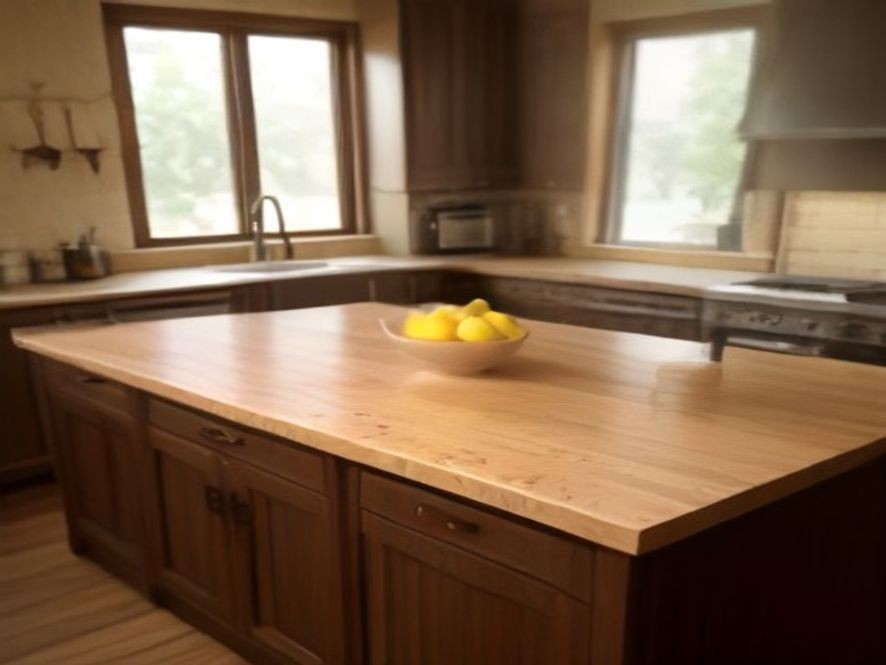
How to Remove Dark Food Stains From a Butcher Block Countertop: Best Solutions and Tips
That dark, stubborn ring from a coffee cup or a splash of red wine can make your beautiful wooden countertop look tired and neglected.
You know the feeling. You chose butcher block for its warm, natural beauty and classic appeal. But then life happens. A leaky bottle of juice, a forgotten coffee mug, or a splash of tomato sauce leaves behind a dark mark that seems to have soaked right into the wood. Because wood is porous, it absorbs liquids quickly, which makes it prone to stains . The good news is that those dark stains aren’t permanent. With the right techniques and a little patience, you can lift them right out and restore your countertop’s natural glow.
TL;DR
- Best for Light Stains: A paste of lemon juice and salt or baking soda and water gently lifts surface marks .
- Best for Dark, Stubborn Stains: A diluted hydrogen peroxide solution (1 tablespoon to 1 cup of water) breaks down deep-set food pigments .
- Last Resort: Sanding with fine-grit paper removes stains that have penetrated too deep to clean .
- Golden Rule: Always re-oil the area after any intensive cleaning to protect the wood .
- Pro Tip: The best defense is a good offense—wipe up spills immediately to prevent them from soaking in .
Key Takeaways
- Wood is Porous: This is why it stains easily. Liquids can penetrate deep into the grain if not cleaned quickly .
- Start Gentle: Always try the mildest cleaning method first (lemon and salt) before moving to stronger options like hydrogen peroxide.
- Avoid Harsh Chemicals: Never use bleach or ammonia-based cleaners, as they can damage the wood and make it unsafe for food prep .
- Protect the Finish: After cleaning, the wood will be dry and vulnerable. Re-applying mineral oil is essential .
- When in Doubt, Sand: Sanding is a guaranteed way to remove a stain. It’s more work, but it’s highly effective .
Understanding Why Dark Stains Happen
Butcher block countertops are a favorite in many kitchens, but they demand a bit more attention than stone or solid-surface materials. The main reason is that wood is naturally porous . This means it has tiny openings that can absorb liquids. When you leave a spill, a wet rag, or a dish with condensation on the surface, that moisture—along with any pigments from food or drink—can seep into the wood . Over time, or if the wood’s protective oil coating has worn thin, this leads to dark, stubborn stains.
How to Remove Stains: A Step-by-Step Guide
The best way to tackle a stain is to start with the gentlest method and work your way up if needed. Here’s how to do it.
Step 1: Act Fast with a Simple Scrub
If the stain is fresh or very light, you might be able to lift it with a quick scrub.
- Lemon and Salt: Sprinkle a generous amount of coarse salt (like kosher or sea salt) over the stained area . Cut a lemon in half and use the cut side to scrub the salt into the stain, working in the direction of the wood grain . The salt acts as a gentle abrasive, while the lemon’s acid helps break down the stain. Let it sit for 5-10 minutes, then wipe it clean with a damp cloth and dry thoroughly .
- Baking Soda Paste: Mix baking soda with a small amount of water to form a thick paste . Apply it to the stain, let it sit for 15-30 minutes, then gently scrub with a soft cloth or sponge, again following the grain . Rinse and dry.
Step 2: Tackle Dark, Stubborn Stains with Hydrogen Peroxide
For dark stains that don’t respond to lemon and salt, hydrogen peroxide is your secret weapon . It works by breaking down the molecules that cause the discoloration .
- Prepare the Solution: Mix a solution of 1 tablespoon of 3% hydrogen peroxide with 1 cup of warm water .
- Apply: Dip a clean cloth or cotton ball into the solution and dab it directly onto the dark stain .
- Wait: Let the solution sit on the stain for a few minutes. You should see the stain begin to lift .
- Repeat if Necessary: Repeat the process until the stain is gone.
- Rinse and Dry: Once the stain is removed, wipe the area with a clean, damp cloth and dry it thoroughly .
Step 3: The Ultimate Solution—Sanding
If the stain is incredibly deep and the hydrogen peroxide isn’t working, sanding is a surefire way to remove it. This is also a great option for a countertop that has many stains or is looking worn .
- Sand with the Grain: Use a fine-grit sandpaper (like 120- or 150-grit) and sand the stained area, always moving in the direction of the wood grain .
- Smooth It Out: Once the stain is gone, switch to a finer grit (like 220-grit) to smooth the area so it blends with the rest of the countertop .
- Re-Oil: After sanding, the wood will be bare and unprotected. You must re-oil the area with food-grade mineral oil to seal and protect it .
Comparison of Stain Removal Methods
| Method / Solution | Best For | Effectiveness on Dark Stains | Effort | Cost |
|---|---|---|---|---|
| Lemon and Salt | Light, fresh surface stains | Low | Easy | Very Low |
| Baking Soda Paste | Light to moderate stains | Medium | Easy | Very Low |
| Hydrogen Peroxide Solution | Dark, set-in stains | High | Easy | Very Low |
| Sanding | Deep, stubborn stains, or refinishing | Highest | Moderate-High | Very Low |
How to Prevent Future Stains
The most effective way to handle stains is to stop them from happening in the first place. Good habits will keep your butcher block looking great for years .
- Wipe Up Spills Immediately: This is the most important rule for butcher block. Do not let liquids sit on the surface .
- Clean Daily: Wipe down the counter with a mild soap and water solution after each use .
- Don’t Leave Damp Items: Wet rags, dishcloths, or wet dishes can leave dark rings .
- Oil Regularly: Reapply a food-grade mineral oil or butcher block conditioner every month or so, or whenever the wood looks dry . This creates a protective barrier.
FAQ
What is the best way to remove a dark stain from butcher block?
For dark stains, a solution of 1 tablespoon of 3% hydrogen peroxide to 1 cup of water is highly effective. Dab it on and let it lift the stain .
Can I use bleach to clean a stain on my butcher block?
You should avoid harsh chemical cleaners like bleach. They can damage the wood and leave harmful residues on a food-prep surface .
How does lemon and salt remove stains?
The salt acts as a gentle scrubber, and the acid in the lemon helps break down and lift the stain’s pigments from the wood .
What is the last resort for removing a stubborn stain?
Sanding is your last resort. Use fine-grit sandpaper to sand the stain away, then re-oil the area to protect the bare wood .
How do I prevent stains on my butcher block?
Wipe up spills immediately, clean regularly, and oil your countertop frequently to create a protective barrier .
Keep your kitchen beautiful with trusted advice from home care experts:
- Bob Vila: Home Maintenance and Repair
- Good Housekeeping: Home and Cleaning Advice
- Molly Maid: Professional Cleaning Tips
Which kitchen surface or cleaning challenge do you want tackled next? Share your thoughts in the comments.