How to Deep Clean Hard-to-Reach Areas in a Kitchen: The Complete Neglected-Spot Guide
You scrub the counters and mop the floors, but the real dirt—the stuff that affects your air quality, attracts pests, and creates fire hazards—is hiding where you can’t see it.
You open a cabinet, and a cloud of dust puffs out. You reach behind the refrigerator, and your fingers come back coated in sticky grime. Hard-to-reach areas like the tops of cabinets, gaps between appliances, and dust-collecting baseboards are the places that even diligent cleaners miss . But here’s the truth: leaving them dirty isn’t just an eyesore. Dust buildup behind appliances can release fine particles into the air, triggering allergies, while accumulated grease is a serious fire hazard and a magnet for pests .
TL;DR
- Start at the Top: Dust and grease rise. Clean the tops of cabinets and the refrigerator before tackling lower areas .
- Long Tools Are Your Friend: Professional cleaners rely on extendable dusters, flat mops, and vacuum attachments to reach behind heavy appliances without moving them .
- The Grease Trap: Grease rises with cooking steam and settles on overlooked surfaces like cabinet tops and exhaust fans, creating sticky, hard-to-remove grime .
- Don’t Forget Baseboards: Kitchen baseboards collect greasy dust that coagulates into a stubborn film; use a degreaser for best results .
Key Takeaways
- Out of Sight, Not Out of Mind: The tops of cabinets, behind the fridge and stove, the exhaust fan, and baseboards are the most neglected spots in a kitchen .
- Light First, Then Liquid: Always remove dry dust before applying any liquid cleaner. If you don’t, you’ll just create a sticky, unmanageable paste .
- Tool Hacks Save Your Back: A microfiber cloth secured to a broom handle with a rubber band creates an instant reach extender . A sock on a wire hanger can dust behind large appliances .
- Prevent Future Buildup: Place wax paper on top of cabinets to catch dust, use gap covers between appliances, and turn on your vent hood while cooking .
The Real Reasons These Areas Get So Dirty (and Dangerous)
Grease doesn’t just splatter—it floats. Every time you sauté, fry, or cook with oil at high heat, microscopic oil particles become airborne and rise . “Grease rises naturally when cooking, especially when sautéing, frying, or using oils at high heat,” explains Oscar Melendez, general manager at El Dorado Maroma . These particles settle on flat, out-of-reach surfaces like the tops of cabinets, mixing with dust and creating a sticky film that attracts even more dirt over time .
The buildup isn’t just gross—it’s unsafe. “The gunk behind your range and oven can actually be a fire hazard if the heat behind your appliance catches it on fire,” warns Chris Willatt, owner of Alpine Maids . Dust particles and grease are highly flammable, especially when paired together. Beyond fire risks, “accumulation of these things anywhere in your house can lead to allergy or respiratory problems,” and old food scraps are prime targets for pests like ants and cockroaches .
How to Deep Clean Hard-to-Reach Areas: Step-by-Step Guide
1. The Tops of Cabinets (and the Refrigerator)
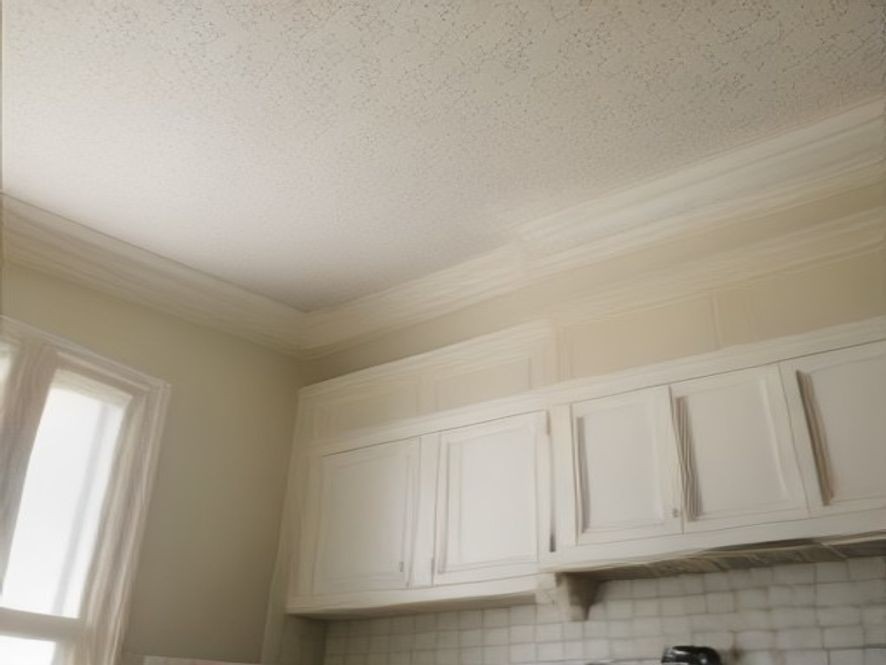
This is the #1 forgotten spot. “Dust, grease, and even bits of kitchen residue gather in that hard-to-reach space, forming a sticky film that no one notices until it’s bad enough to catch the light,” explains cleaning expert Adriana Aziz .
Step-by-Step:
- Protect the area: Place a towel or newspaper on the counter below to catch falling debris .
- Dust first: Use an extendable duster, a microfiber cloth, or a vacuum with a brush attachment to remove the top layer of dry dust . “It’s important to remove as much dust as you can at first because it can quickly turn into a sticky sludge when wet” .
- Degrease: For greasy buildup (especially near the stove), use a solution of warm water and a few drops of dish soap, or equal parts white vinegar and water. Dampen a microfiber cloth and wipe from back to front .
- Target stubborn spots: Make a baking soda paste (baking soda + water) and let it sit for a few minutes before wiping .
- Rinse and dry: Wipe with a clean, damp cloth, then dry thoroughly to prevent moisture damage .
Prevention tip: Cover cabinet tops with wax paper or a washable runner. When it gets dirty, just toss it or wash it .
2. Behind and Under Large Appliances (Fridge, Stove)
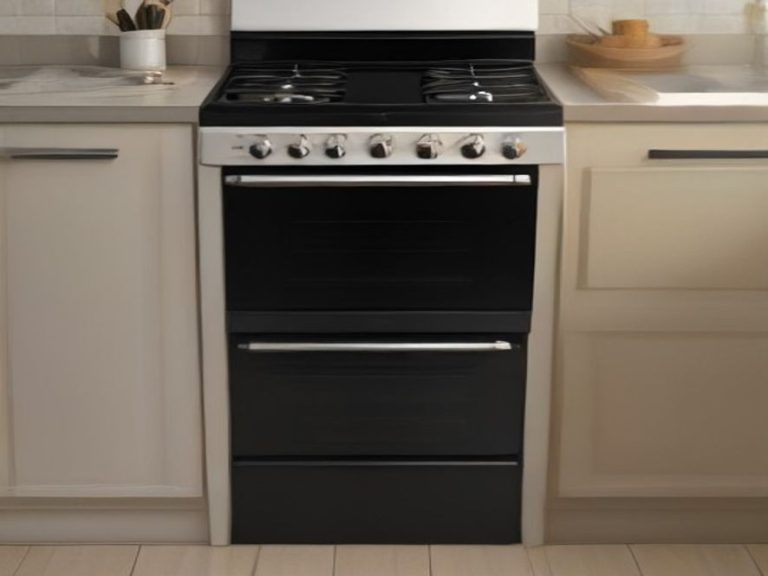
This is where dust bunnies go to thrive—and where fire hazards lurk. You don’t necessarily need to move heavy appliances to clean them.
Without Moving the Appliance:
- Use a long-handled microfiber mop or flat duster: Slide it behind and under appliances. “A retractable gap dust cleaner, a flat duster such as a Swiffer, and a flat head mop are usually your best bets,” says Chris Willatt .
- Vacuum attachments: Use a crevice or flat attachment on a long hose to suck up debris .
- DIY tool: Wrap a microfiber cloth around a yardstick or broom handle and secure it with rubber bands .
Moving the Appliance (Every 6-12 Months):
- Safety first: Unplug electric appliances. For gas stoves, turn off the gas supply valve before moving .
- Clean the floor and walls: Use a degreaser on the sides and back of the appliance and the floor underneath .
- Let everything dry before sliding it back into place .
Prevention tip: Use a piece of wax paper or old newspaper behind appliances as a “shield” that catches grease and dust—just pull it out and toss it when it’s dirty .
3. The Gap Between Counter and Stove
Crumbs, sauces, and spills love this tiny crack.
The Scrape Method:
- Use a butter knife (the dull blade won’t scratch your counter) or an old credit card to scrape out debris .
- If the gap is large, wrap the blade in a damp cloth to help wipe away residue .
- For spills that went deeper, pull the stove out, unplug it (and turn off gas!), and clean the sides and floor .
Prevention tip: Purchase inexpensive silicone or aluminum gap covers to block food from falling into the crack .
4. The Exhaust Fan and Filter
Exhaust fans are designed to capture grease, but that grease has to go somewhere. A clogged filter reduces efficiency, makes your fan noisy, and is a fire risk .
Step-by-Step:
- Disconnect power: Unplug the fan or turn off the circuit breaker .
- Remove the filter/casing: Check your manual, but most slide out or have clips .
- Soak and scrub: Immerse the filter in hot water with dish soap or a degreaser for 15-20 minutes. Scrub with a soft brush or toothbrush .
- Wipe fan blades: Gently wipe blades with a damp cloth. Do not spray liquid directly on the fan assembly to avoid electrical issues .
- Dry completely before reassembling .
Frequency: Clean every 2-4 weeks if you cook often with oil .
5. Baseboards
Kitchen baseboards get an extra layer of grime because cooking oils settle, causing dust to “coagulate” and stick .
Step-by-Step:
- Remove dry dust: Use a vacuum crevice tool or a dry microfiber cloth .
- Wipe with soapy water: Use warm water and a few drops of dish soap (increase soap for greasy kitchen baseboards). Wipe with a damp cloth .
- For stubborn grease: Use a degreaser (like Zep). “It will melt grease away,” says Grace Turner, director of operations at Rose Cleaning Company .
- Scuffs: A melamine sponge (Magic Eraser) works well on painted or PVC baseboards .
Prevention: Rub a dryer sheet along the baseboard after cleaning. The anti-static properties help repel dust .
Comparison Table: Hard-to-Reach Kitchen Areas
| Area | Best Tool(s) | Main Challenge | Prevention Tip |
|---|---|---|---|
| Top of Cabinets | Extendable duster, mop, microfiber cloth | Grease mixed with dust becomes sticky | Cover with wax paper or washable runner |
| Behind/Under Fridge & Stove | Flat mop, vacuum hose, extendable duster | Heavy appliances, electrical/gas risk | Wipe spills immediately; move appliances yearly |
| Gap Between Stove & Counter | Butter knife, old credit card, damp cloth | Food debris and liquids | Use silicone gap covers |
| Exhaust Fan/Filter | Degreaser, soft brush, screwdriver | Grease buildup, fire hazard | Clean filter every 2-4 weeks |
| Baseboards | Vacuum crevice tool, damp cloth, degreaser | Greasy dust coagulation | Wipe monthly; use dryer sheet to repel dust |
FAQ: Your Hard-to-Reach Cleaning Questions Answered
How can I clean behind a heavy appliance without moving it?
Use long-handled tools like a flat microfiber mop, a Swiffer, or a vacuum with a crevice attachment. Professional cleaners also recommend wrapping a microfiber cloth around a yardstick with rubber bands to create a reach extender .
How do you clean a sticky film off the top of kitchen cabinets?
First, remove dry dust with a duster. Then use a mixture of warm water and dish soap or a 50/50 vinegar and water solution. For stubborn spots, apply a baking soda paste, let it sit, and wipe clean. Always dry thoroughly .
How often should I clean the exhaust fan filter?
If you cook daily with oil or frying, clean the filter every 2–4 weeks. A clogged filter reduces efficiency and creates a fire hazard .
What’s the easiest way to clean kitchen baseboards?
Vacuum or sweep dust first, then wipe with warm soapy water. For greasy buildup, use a degreaser. Rub a dryer sheet along the baseboard after cleaning to repel future dust .
Why does dust and grease accumulate so badly behind appliances?
Cooking vapors carry oil particles upward, which then settle on surfaces. Dust mixes with this greasy film, creating a sticky layer that traps more dirt. The buildup is also flammable and can attract pests .
References
Expert Cleaning Guides and Safety Information for Hard-to-Reach Kitchen Areas:
- Yahoo: How to Clean Behind and Under Larger Kitchen Appliances
- Maid to Shine: Cleaning the Tops of Cabinets
- Apartment Therapy: How to Clean Baseboards, According to Experts
- Martha Stewart: How to Degrease the Tops of Kitchen Cabinets
- NDTV Food: 6 Hard-to-Reach Kitchen Areas to Clean
- Yahoo: How to Clean the Crack Between Your Stove and Counter
Out-of-sight spots might seem like a lot of work, but a few simple tools and a regular routine can make all the difference. Once you’ve tackled these forgotten areas, your kitchen will feel—and truly be—cleaner, safer, and fresher.
Which kitchen problem do you want solved next? Share your thoughts in the comments.