Persistent Kitchen Odor: Common Causes and Long-Term Solutions That Actually Work
You’ve cleaned, scrubbed, and sprayed, but that stubborn smell just won’t leave—and you’re starting to wonder if it’s ever going to go away.
There’s nothing quite as discouraging as walking into a kitchen that should be clean, only to be hit by an odor that has overstayed its welcome. Maybe it’s that faint sour smell that’s been lurking for weeks. Perhaps it’s a greasy undertone that seems to appear every time you cook. Or maybe it’s a musty, earthy smell that makes your kitchen feel less welcoming than it should.
The truth is, persistent kitchen odors aren’t random bad luck—they’re caused by specific issues that can be identified and fixed. And while quick fixes like air fresheners might provide temporary relief, they don’t solve the underlying problem. This guide will help you understand the common causes of lasting kitchen smells and give you practical, long-term solutions to keep your kitchen fresh for good.
TL;DR
- Persistent odors always come from a continuous source—find it and the smell disappears
- Grease buildup, hidden moisture, and bacterial growth are the three main causes
- Long-term solutions require consistent maintenance, not just one-time cleaning
- Natural odor absorbers work better than synthetic sprays for ongoing freshness
- Proper ventilation and regular deep cleaning are your best prevention tools
Key Takeaways
- Grease traps odors and needs to be removed regularly from all surfaces
- Moisture in hidden areas creates mold and mildew that produce musty smells
- Bacteria in drains and garbage disposals produce sour odors continuously
- Regular maintenance beats emergency cleaning every time
- Natural solutions like baking soda and vinegar are effective for ongoing odor control
Why Persistent Kitchen Odors Are Different
Not all kitchen smells are created equal. Fresh cooking smells fade naturally as the food particles disperse and break down. But persistent odors stick around because something is actively producing them—and that production doesn’t stop when you’re done cooking.
Think of it this way: If you burn toast and open the windows, the smoke clears and the smell eventually fades. But if a piece of food is rotting under your refrigerator, the smell will continue as long as the food is there. That’s the difference between a temporary smell and a persistent one.
Persistent odors fall into three main categories:
- Biological odors from bacteria, mold, or decomposing organic matter
- Chemical odors from grease breaking down or synthetic materials outgassing
- Structural odors from your home’s infrastructure, like plumbing or ventilation issues
Understanding which category your smell falls into will help you identify the right solution.
The Most Common Causes of Persistent Kitchen Odors
1. Grease Buildup That Traps and Releases Odors
Grease is perhaps the sneakiest cause of persistent kitchen odors. When you cook, tiny droplets of oil and fat become airborne and settle on surfaces throughout your kitchen. Over time, this grease film accumulates, and it’s the perfect trap for odor molecules.
The problem with grease is that it doesn’t just sit there—it undergoes chemical changes. Over time, the fats in the grease oxidize and break down, producing rancid odors. And when you cook, the heat can release the trapped odors back into the air, creating a cycle where cooking actually makes the persistent smell worse.
Where grease accumulates most:
- Above the stove and on range hoods
- On cabinet doors near the cooking area
- On the tops of cabinets and other high surfaces
- On the walls and backsplash behind the stove
- On the exterior of small appliances stored near the cooking area
The long-term solution: Regular degreasing is essential. Don’t just wipe surfaces—use a degreaser that breaks down the grease film. And pay special attention to high surfaces that you normally don’t clean, like the tops of cabinets and the ceiling near the cooking area.
2. Bacterial Growth in Drains and Disposals
Your kitchen sink drain is a warm, moist environment with a constant supply of food particles. This is the perfect breeding ground for bacteria, and these bacteria produce waste products that smell terrible.
The bacteria don’t just live in the visible part of the drain—they colonize the pipes, the garbage disposal, and especially the rubber gaskets and splash guards. And they reproduce rapidly, meaning the problem just gets worse if you don’t address it.
Signs that bacteria are the cause:
- The smell is sour or slightly rotten
- The smell is strongest near the sink
- The smell seems to appear shortly after you wash dishes
- Running the garbage disposal temporarily reduces the smell
The long-term solution: You need to clean more than just the visible part of the drain. Use enzymatic cleaners that break down organic matter, clean the garbage disposal splash guard thoroughly, and consider using a drain cleaning tool to remove buildup in the pipes.
3. Hidden Moisture and Mold
Anywhere there’s moisture, there’s the potential for mold growth. And mold produces compounds that have a distinctive musty, earthy smell. Even small amounts of moisture can support mold, and mold can grow on almost any surface.
Common moisture sources:
- Slow leaks under the sink
- Condensation on pipes
- Spills behind appliances
- Moisture around the dishwasher seal
- Damp areas in the pantry from high humidity
What to look for:
- Discoloration or staining on surfaces
- A faint, earthy smell
- Water droplets or dampness on pipes
- Soft spots in wood or drywall
The long-term solution: Fix the moisture source first—no amount of cleaning will help if water keeps coming back. Then clean moldy areas with a bleach solution (1 part bleach to 10 parts water) and improve ventilation to keep the area dry.
4. Forgotten or Hidden Food Sources
Sometimes persistent odors come from something that’s been there so long you’ve forgotten about it. A piece of fruit that rolled under the refrigerator. A spill that seeped underneath the stove. Food trapped in the back of a cabinet. A forgotten container in the refrigerator.
These sources are tricky because they’re completely out of sight, and you’ll never find them until you specifically look in the right place.
The long-term solution: Regular deep cleaning that includes moving appliances and checking hidden areas is the only way to prevent this. And when you find the source, remove it completely and clean the area thoroughly.
5. Ventilation and Airflow Issues
Your kitchen needs good airflow to remove cooking odors and moisture. If your range hood doesn’t work well, or if it recirculates air without removing odors, those odors will stay in your kitchen.
Common ventilation problems:
- A range hood that doesn’t vent to the outside
- Clogged or dirty range hood filters
- Poor cross-ventilation in the kitchen
- Blocked air vents
The long-term solution: If your range hood recirculates air, consider a ducted hood that vents outside. At minimum, keep filters clean and use cross-ventilation when cooking.
6. Odors Trapped in Textiles
Fabrics absorb odors and release them slowly over time. If you have fabric curtains, dish towels, or rugs in your kitchen, they could be holding onto smells and releasing them gradually.
The long-term solution: Wash fabrics regularly, and consider replacing any that have developed a permanent odor. For rugs, use an enzymatic cleaner designed for pet odors, as this breaks down organic matter trapped in the fibers.
7. Refrigerator Drip Pan and Defrost Drain
Your refrigerator has a drip pan that catches water from the defrost cycle. This pan sits underneath the fridge, and the water can become stagnant and develop mold and bacteria. Even if your refrigerator doesn’t smell when you open it, the drip pan can be producing odors that spread throughout your kitchen.
The long-term solution: Pull out your refrigerator and clean the drip pan every few months. Check the defrost drain to make sure water isn’t backing up into the fridge.
Long-Term Solutions That Actually Work
Solution 1: Establish a Regular Deep Cleaning Schedule
One-time cleaning won’t solve persistent odors. You need a regular schedule that includes both daily maintenance and weekly or monthly deep cleaning.
Daily habits:
- Wipe down the stovetop and counters after cooking
- Take out trash before it’s full
- Rinse dishes before putting them in the dishwasher
- Run the exhaust fan while cooking
- Keep the kitchen well-ventilated
Weekly tasks:
- Wipe down cabinet doors and handles
- Clean the range hood filter
- Scrub the kitchen sink and drain
- Clean the garbage disposal (including the splash guard)
- Wipe down appliance exteriors
- Check under the sink for signs of moisture
- Take out trash and recycling
Monthly tasks:
- Degrease walls and high surfaces
- Pull out appliances and clean underneath
- Clean the refrigerator drip pan
- Wash curtains and dish towels
- Deep clean the dishwasher filter
- Check pantry for forgotten items
Quarterly tasks:
- Deep clean the refrigerator (remove all food, wash shelves)
- Clean your oven
- Check and clean ventilation ducts
- Inspect for leaks or signs of mold
- Declutter and reorganize cabinets
Solution 2: Use Natural Odor Absorbers Instead of Fragrances
Synthetic air fresheners and sprays don’t remove odors—they just overwhelm them. And when the fragrance fades, the original smell returns. Natural odor absorbers, on the other hand, actually capture and neutralize odor molecules.
Baking soda: This is your best friend in the kitchen. Place open boxes or bowls on the counter, in the refrigerator, and near the trash can. Replace baking soda every month or when it stops working.
Activated charcoal: This is even more effective than baking soda. It’s extremely porous and traps odor molecules. Place charcoal in small containers near potential odor sources.
Coffee grounds: Used coffee grounds absorb odors while adding a pleasant coffee scent. Place a bowl on the counter or in the refrigerator.
White vinegar: Simmer vinegar on the stove to neutralize airborne odors. The vinegar smell is temporary, but it will remove cooking odors effectively.
Essential oils: While they do add fragrance, some essential oils have antibacterial properties that help reduce odor-causing bacteria. Add a few drops to your cleaning solutions or to baking soda.
Solution 3: Upgrade Your Ventilation System
If your kitchen doesn’t have good airflow, odors will linger. Consider these upgrades:
- Install a ducted range hood that vents to the outside. This removes cooking odors and moisture directly from your kitchen.
- Use portable air purifiers with carbon filters. These can remove airborne odor molecules.
- Open windows regularly, even in winter, for at least 10 minutes to bring in fresh air.
- Use a fan to create cross-ventilation, blowing stale air out while fresh air comes in.
Solution 4: Choose the Right Cleaning Products
Not all cleaning products are equally effective for odor removal. Choose products based on the specific problem you’re addressing.
| Product Type | Best For | Why It Works |
|---|---|---|
| Enzymatic cleaners | Organic matter, food odors | Enzymes break down proteins and fats |
| Degreasers | Grease buildup | Dissolve and remove grease film |
| Bleach solution | Mold and mildew | Kills mold at the source |
| Vinegar | General odor removal | Neutralizes alkaline odors |
| Baking soda | Absorbing odors | Captures odor molecules physically |
| Activated charcoal | Long-term odor control | Traps a wide range of odor molecules |
Solution 5: Address Plumbing Issues
Plumbing problems are a common source of persistent odors, but they’re often overlooked.
- Clean your P-trap: This curved pipe under your sink collects debris. Remove it and clean it thoroughly.
- Check your garbage disposal: Remove the splash guard, clean it separately, and use a disposal cleaning brush to clean the grinding chamber.
- Inspect for leaks: Even small drips can create mold and odors.
- Use a drain maintenance product: Enzymatic drain cleaners can help keep your pipes clear without damaging them.
Solution 6: Improve Air Circulation in Cabinets
Cabinets can trap odors, especially if they’re closed tightly most of the time. Here are some solutions:
- Add shelf liners that can be easily cleaned or replaced
- Use moisture absorbers in cabinets near the sink
- Leave cabinet doors open for a few hours each week to air them out
- Place activated charcoal in each cabinet to absorb odors
- Wipe down interiors regularly with a mild cleaner
When to Call a Professional
Sometimes, persistent odors require professional help. Consider calling an expert if:
- You’ve tried cleaning everything and the smell persists
- You suspect mold behind walls or under floors
- You have a plumbing issue that you can’t fix yourself
- You smell gas or sewer gas (this can be dangerous)
- The odor is making you feel unwell
Signs you need a plumber:
- Persistent sewer or rotten egg smell
- Slow drains or gurgling sounds
- Moisture or water damage under your sink
- The smell comes and goes with changes in humidity
Signs you need a mold remediation specialist:
- Musty, earthy smell that persists
- Visible mold growth (especially dark spots)
- Health symptoms like breathing difficulties
- Water damage or flooding history
Signs you need a home inspector:
- Structural issues like foundation problems
- Persistent odors with no obvious source
- Smells that seem to come from your walls or ceiling
- Recent renovations that might have left hidden debris
Creating a Kitchen That Stays Fresh
The best way to deal with persistent kitchen odors is to prevent them from developing in the first place. Here’s how to create a kitchen that naturally stays fresh:
Design for cleanliness:
- Choose smooth surfaces that are easy to clean
- Use stainless steel appliances that don’t absorb odors
- Install good ventilation from the start
- Use cabinets that reach the ceiling to prevent dust and grease buildup on top
Choose materials wisely:
- Avoid porous materials that trap odors (like wood or fabric near the cooking area)
- Use washable backsplashes and wall coverings
- Choose easy-to-clean flooring like tile or linoleum
Establish routines:
- Clean as you go while cooking
- Don’t leave dirty dishes in the sink
- Take out trash daily during warm weather
- Do a quick cleanup after every meal
Stay organized:
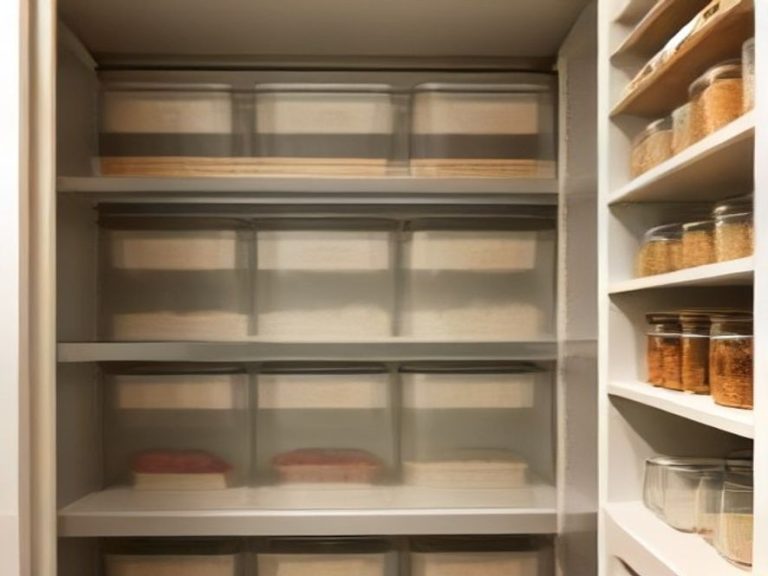
- Keep your pantry organized so you don’t forget about old food
- Use clear containers so you can see what’s inside
- Rotate food so older items are used first
Tracking Your Progress: An Odor Prevention Checklist
Use this checklist to track your cleaning and maintenance progress:
Daily Maintenance
- [ ] Wipe down stovetop and counters
- [ ] Run exhaust fan while cooking
- [ ] Take out trash
- [ ] Rinse dishes
- [ ] Air out kitchen for 10 minutes
Weekly Deep Cleaning
- [ ] Wipe cabinet doors and handles
- [ ] Clean range hood filter
- [ ] Scrub sink and drain
- [ ] Clean garbage disposal
- [ ] Wipe appliance exteriors
- [ ] Check under sink for leaks
- [ ] Replace baking soda absorbers
Monthly Tasks
- [ ] Degrease walls and high surfaces
- [ ] Pull out and clean under appliances
- [ ] Clean refrigerator drip pan
- [ ] Wash all kitchen textiles
- [ ] Deep clean dishwasher filter
- [ ] Check pantry for forgotten items
Quarterly Tasks
- [ ] Deep clean refrigerator
- [ ] Clean oven
- [ ] Check ventilation ducts
- [ ] Inspect for mold or leaks
- [ ] Declutter cabinets
FAQ: Common Questions About Persistent Kitchen Odors
Why do some kitchen odors never go away?
They’re caused by continuous sources like bacterial growth, mold, or grease that keeps releasing odors. Removing the source is the only permanent solution.
What’s the best way to remove a persistent greasy smell?
Clean all surfaces with a degreaser, including walls, cabinet tops, and range hoods. Grease traps odors and needs to be physically removed.
Can a dirty refrigerator cause odors that smell like they’re from somewhere else?
Yes, the refrigerator drip pan or defrost drain can cause persistent odors that seem to come from your kitchen generally.
How do I know if a smell is from mold vs. food?
Mold smells musty and earthy, while food usually smells sour, sweet, or specific to the food. Mold is often accompanied by visible growth or moisture damage.
What’s the most effective long-term odor solution?
A combination of regular deep cleaning, good ventilation, and using natural odor absorbers like baking soda and activated charcoal.
Is it safe to ignore a persistent kitchen odor?
No, it could indicate a safety issue like a gas leak, sewer problem, or mold growth that affects your health. Identify and fix the source.
How often should I deep clean my kitchen to prevent persistent odors?
Do daily maintenance, weekly cleaning of hidden areas, and full deep cleaning every 1-2 months, depending on how much you cook.
Final Thoughts
Persistent kitchen odors are frustrating, but they’re not unbeatable. Every smell has a source, and once you find it and address the root cause, you can eliminate the odor permanently. The key is not to rely on quick fixes that mask the problem, but to use a systematic approach to identify the source and implement long-term solutions.
The good news is that once you establish good habits, maintaining a fresh-smelling kitchen becomes much easier. Regular cleaning prevents buildup, good ventilation removes odors before they settle, and natural odor absorbers provide continuous protection against lingering smells.
Don’t give up if you haven’t found the source yet. Persistence pays off. Keep looking, keep cleaning, and keep ventilating. And remember, the best way to deal with odors is to prevent them from taking hold in the first place.
Your kitchen should be the heart of your home—not the source of unpleasant smells. With these strategies, you can enjoy a kitchen that always smells fresh and welcoming.
Which kitchen problem do you want solved next? Share your thoughts in the comments.
Trusted resources for kitchen odor prevention and maintenance: