How to Deep Clean a Kitchen After Years of Cooking Oil Buildup: The Ultimate Restoration Guide
That thick, sticky film coating your cabinets and walls isn’t just years of neglect—it’s a fire hazard that can warp wood, attract pests, and even compromise your family’s health .
You run your hand along the top of a cabinet, and your fingers come back coated in a layer of grime that feels more like tar than dust. It’s the result of years of cooking oil vapor rising, settling, and mixing with dust on every surface it touches . But here’s the good news: with the right techniques and a little patience, you can cut through even the heaviest buildup without damaging your surfaces.
TL;DR
- The Secret Weapon: Old, hardened grease dissolves best with fresh oil—a phenomenon known as “like dissolves like” . This works when dish soap alone can’t penetrate thick layers.
- Safety First: Years of accumulated grease is flammable . Work in a well-ventilated area, wear gloves, and keep heat sources away from your work area .
- Heat Helps: Warm, soapy water melts and softens old grease, making it easier to lift than scrubbing cold, hardened oil .
- Patience is Required: This isn’t a quick wipe-down. Expect to spend several hours, especially if you’ve never deep-cleaned certain areas before .
Key Takeaways
- Start High, Work Down: Grease rises with heat . Begin with the tops of cabinets and work your way down to countertops, appliances, and floors.
- Dust First: Always remove loose dust before applying any liquid. Otherwise, you’ll create sticky sludge .
- Test in a Hidden Spot: Before using any method on visible surfaces, test it on an inside cabinet door to ensure it doesn’t damage the finish .
- Prevention is the Long Game: Use your range hood while cooking, wipe surfaces weekly, and line cabinet tops with wax paper to catch future grease .
The Real Reason Oil Buildup Gets So Hard to Remove
Over time, airborne fat particles from cooking settle on cool kitchen surfaces and oxidize, hardening into a stubborn film that mixes with dust and grows thicker with each cooking session . This is why wiping with just water doesn’t work—water beads up and slides off oily residue, leaving the grime behind .
The most alarming part? That greasy layer is a serious fire risk, especially if you have a gas stovetop . Plus, it can trap odors, attract pests, and slowly degrade wood finishes .
How to Deep Clean Years of Oil Buildup: Step-by-Step Guide
Step 1: Gather Your Supplies
- Essential: Mild dish soap (Dawn, Ajax, or any grease-cutting formula), white vinegar, baking soda, microfiber cloths, soft sponges, an old toothbrush .
- For Heavy Buildup: Commercial degreaser (like Krud Kutter, Zep, or Simple Green), Murphy’s Oil Soap, or mineral/vegetable/coconut oil .
- Safety: Rubber gloves, protective eyewear, and a step ladder .
Step 2: Prepare and Dust
- Ventilate: Open windows and turn on your range hood to circulate fumes, especially if using stronger degreasers .
- Clear and Protect: Remove items from cabinet tops. Lay down towels or newspapers on countertops and floors to catch drips .
- Dust First: Use a dry microfiber cloth or extendable duster to remove loose dust, cobwebs, and debris from the tops of cabinets and upper surfaces . This prevents turning dry dust into sticky, unmanageable sludge when wet.
Step 3: Tackle the Worst Areas (Tops of Cabinets)
This is where the heaviest, stickiest buildup accumulates because grease rises . It’s often the most forgotten spot, but when it starts to drip down the cabinet fronts, it creates a massive mess that signals years of neglect.
Method 1: The Pro Approach (Dish Soap + Heat)
- Mix the Solution: Fill a basin with hot water and add a few drops of dish soap . Washing-up liquid is formulated with surfactants that break down oil and grease effectively .
- Apply and Wait: Dip a microfiber cloth in the soapy water, wring it out until damp (not soaking), and press it onto the greasy area for 20-30 seconds . The heat and soap will start breaking down the grease.
- Wipe and Rinse: Wipe the surface clean. Then, use a second cloth dipped in clean water to remove soap residue, and a third dry cloth to buff and dry .
Method 2: The Natural Powerhouse (Baking Soda Paste)
For stubborn, thick layers, dish soap may need a little help. Baking soda provides gentle abrasion without scratching.
- Make a Paste: Mix 2 tablespoons of baking soda with 1 tablespoon of warm water to form a thick paste .
- Apply and Sit: Apply the paste directly to stubborn greasy spots and let it sit for 5-10 minutes .
- Scrub and Wipe: Gently scrub with a damp sponge or toothbrush in a circular motion, then wipe clean with a damp cloth .
Method 3: The ‘Like Dissolves Like’ Trick (Oil-on-Oil)
This is the surprising method that works best on the most stubborn, sticky, and hard-to-remove layers . Fresh oil literally dissolves old, oxidized oil.
- Apply Fresh Oil: Put a few drops of vegetable, mineral, or coconut oil on a soft microfiber cloth .
- Wipe the Grease: Gently rub the cloth over the greasy surface. You’ll feel the sticky layer soften and lift almost immediately .
- Clean Up: Follow up immediately with warm, soapy water to remove both the old grease and the fresh oil. If any residue remains, rinse with clean water and wipe with a vinegar-water solution before drying with a clean cloth .
- Test First: Always test this on a small, hidden area first to ensure compatibility with the finish .
Step 4: Clean Cabinet Doors and Handles
- Handles: If removable, soak them in warm, soapy water for 15-20 minutes, then scrub with a toothbrush . If not removable, scrub them in place with a toothbrush dipped in soapy water .
- Doors: Use the methods above. Always work in sections, wiping from top to bottom, and avoid leaving any surface too wet .
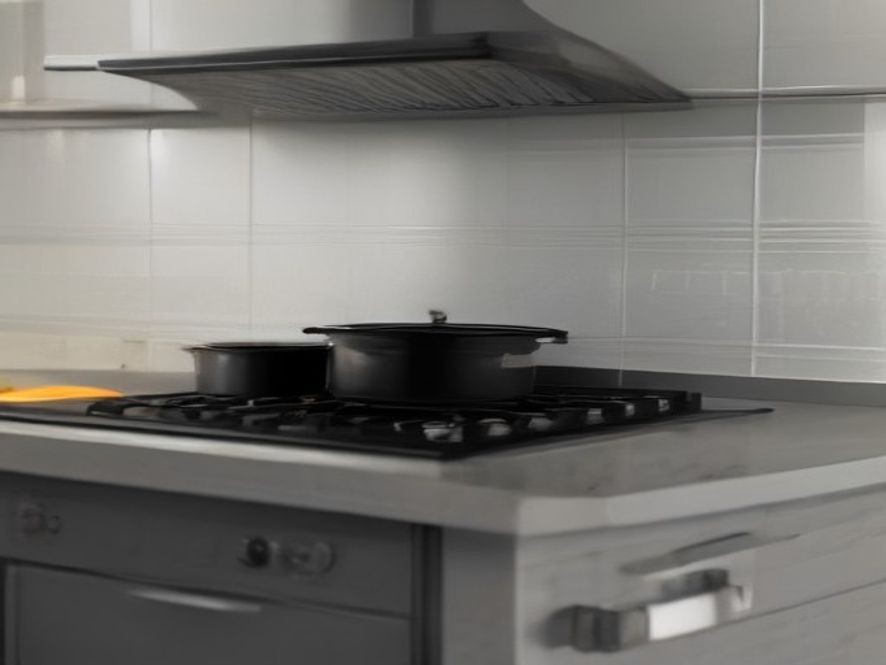
Step 5: Tackle the Exhaust Fan and Range Hood
Grease buildup here is a fire hazard and prevents the fan from working efficiently.
- Filter: Remove the metal or charcoal filter. If metal, soak in hot, soapy water for 15-20 minutes, scrub, rinse, and dry thoroughly . If it’s a charcoal filter, it typically needs replacement.
- Hood: Wipe down the exterior with the dish soap and hot water solution or a specialized degreaser.
Step 6: Walls and Backsplash
Grease mist floats upwards, coating walls above and around the stove. For tile, glass, or painted walls, a simple vinegar and water solution (1:1) sprayed on and wiped off can be effective. For stubborn spots on non-porous surfaces, use a baking soda paste or a commercial degreaser .
Cleaning Method Comparison Table
| Method | Best For | Effectiveness | Key Consideration |
|---|---|---|---|
| Hot Water + Dish Soap | All surfaces; safe first defense | High (with heat and dwell time) | Safest method; prevents stripping finishes |
| Baking Soda Paste | Stubborn, thick spots on most surfaces | High | Gentle abrasive; don’t over-scrub painted wood |
| Oil-on-Oil (Vegetable/Mineral Oil) | Very sticky, hardened residue | Very High | Counterintuitive but works; must follow with soapy rinse |
| Vinegar + Water Spray | Light grease, odors, and final shine | Moderate | Avoid on unsealed wood and natural stone |
| Commercial Degreaser (Krud Kutter) | Heavy, years-long industrial-grade buildup | Very High | Stronger; test on hidden area first |
| Murphy’s Oil Soap | Wood cabinets (especially unfinished) | High | Gentle on wood; can leave a rich shine |
FAQ: Your Oil Buildup Cleaning Questions Answered
How do you get years of grease off kitchen cabinets?
The most effective method is to use a fresh cooking or mineral oil to dissolve the old, hardened oil, then follow up with warm, soapy water to remove the residue . For less severe buildup, a hot, soapy water solution applied with a dwell time of 20-30 seconds is highly effective .
Is greasy buildup on cabinets a fire hazard?
Yes, it’s a serious fire risk. The sticky layer of old cooking oil can go up in flames, especially near a gas stovetop .
Can I use vinegar and baking soda together to clean grease?
Yes, but not necessarily mixed in a bottle. It’s best to apply a baking soda paste to the grease, let it sit, then spray with vinegar or wipe with a vinegar solution. This creates a fizzing reaction that can help lift the grime .
How do I prevent oil buildup in the future?
Use your range hood while cooking, wipe down surfaces weekly with a damp cloth, line the tops of cabinets with wax paper to catch rising grease, and cover pots and pans with splatter screens .
What should I do if I accidentally use a harsh abrasive and scratch my cabinet finish?
Test methods on a hidden spot first. If scratches occur, you may need a specialized furniture touch-up marker or wood polish to cover the damage. Prevention is much simpler.
References
Expert Cleaning Guides and Safety Information for Kitchen Grease Removal:
- ProClean: What Cleans Grease Off Kitchen Cabinets?
- EatingWell: Grease Fire Risk and Cleaning Guide
- Martha Stewart: Degreasing Cabinet Tops
- Fornei: Oil-on-Oil Cleaning Method
Deep cleaning after years of oil buildup might feel overwhelming, but it’s absolutely achievable. The key is understanding that grease needs to be dissolved, not just wiped away. Whether you use the power of fresh oil, the gentle abrasion of baking soda, or the surfactants in dish soap, you’re breaking down the chemistry of the grime so it can be lifted away. You’re not just making your kitchen look better—you’re making it safer.
Which kitchen problem do you want solved next? Share your thoughts in the comments.