How to Organize Pantry Drinks and Bottles
You open your pantry door, and a bottle of olive oil nearly topples out, knocking over a row of vinegar bottles and sending a can of sparkling water rolling across the floor.
Pantry drinks and bottles can be one of the trickiest categories to organize. They’re tall, heavy, oddly shaped, and often kept in the original packaging or loose on shelves where they roll around and make a mess. This guide will show you practical solutions to store beverages, oils, vinegars, and other bottled items so they’re stable, easy to access, and don’t waste valuable shelf space.
TL;DR
Bottled items need a dedicated storage strategy that accounts for their height, weight, and potential for spills. Use tiered shelves, drink dispensers, or pull-out bins to keep bottles stable and visible. Group by frequency of use and category—daily drinks, cooking oils, and occasional beverages should all have their own zones.
Key Takeaways
- Stabilize Bottles: Use dividers, tension rods, or dedicated bottle racks to prevent them from rolling or tipping over.
- Group by Category: Separate daily drinks, cooking oils, vinegars, and occasional beverages into distinct zones.
- Maximize Vertical Space: Use stackable shelving or tiered organizers to make use of height above shorter items.
- Keep Heavy Items Low: Store heavier bottles on lower shelves to prevent accidents and make lifting easier.
- Check for Leaks: Wipe bottles clean and check for sticky residue regularly to keep shelves hygienic.
Why Drinks and Bottles Are a Pantry Challenge
Bottles are awkward. They’re tall and round, which means they don’t fit neatly against each other or the wall. They roll, they tip, and they create dead space between them. That’s why a pantry that’s well-organized with boxes and cans can still look chaotic when you open the door to the bottle section.
There’s also the safety factor. Heavy glass bottles on high shelves are a drop hazard. And sticky leaks from oil or syrup can make a mess that’s hard to clean and attracts pests. You need a system that keeps bottles secure, accessible, and easy to maintain.
“The key to organizing bottles is keeping them secure. A single rolling bottle can knock over a whole row and create a sticky, dangerous mess.”
Zone Your Bottles by How You Use Them
Zone #1: The Daily Drinks Zone
This is for beverages you grab every day—water bottles, juice, milk alternatives, and flavored seltzers. Place this zone at eye level or on the door where it’s easiest to reach.
Best storage solutions: A tiered can dispenser or a bottle rack that holds bottles horizontally or at a slight angle. These let you grab one without disturbing the others. If you buy bottled water in bulk, consider a heavy-duty bin that can hold them on their sides.
Placement tip: Keep this zone closest to the fridge or kitchen entrance for quick grab-and-go access.
Zone #2: The Cooking Oils and Vinegars Zone
Olive oil, vegetable oil, sesame oil, balsamic vinegar, red wine vinegar—these are your daily cooking companions. This zone should be near your cooking prep area.
Best storage solutions: A lazy Susan or a tiered shelf works great for oils and vinegars. You can spin the lazy Susan to reach the bottle in the back without moving everything in front. Alternatively, use a bottle rack with individual slots to keep each bottle upright and stable.
Keep oils away from direct light and heat sources, which can make them go rancid faster. If your pantry is near a window or oven, store oils in a darker corner or in opaque containers.
Zone #3: The Specialty Drink Zone
This is where you store sparkling waters, fancy sodas, cocktail mixers, or occasional treats. These are items you don’t reach for daily, so they can go on slightly higher shelves or in the back.
Best storage solutions: A deep bin or a basket that holds bottles upright. If you have tall bottles (like 2-liter sodas), store them on a shelf with enough vertical clearance so you don’t have to tilt them to get them out.
Placement tip: Put specialty drinks on a shelf with a lip or edge so they don’t roll off when you’re searching for something else.
Zone #4: The Bulk Beverage Zone
If you buy drinks in bulk—like a 12-pack of sparkling water or a case of sports drinks—dedicate a specific area for backstock. Store bulk drinks on lower shelves where the weight is easier to manage.
Best storage solutions: Use sturdy bins, open crates, or even the original cardboard packaging. If you store cases, stack them no more than two high to prevent crushing and make access easier.
Rotation rule: Practice “first in, first out.” When you open a new case, put it behind the older one so you use the oldest stock first.
Smart Storage Solutions for Bottles
Solution #1: Tension Rods as Dividers
One of the simplest ways to stop bottles from rolling is to install tension rods (like the ones used for shower curtains) across the front of your shelf. Place one rod at the front and one at the back to create a stable “track” for bottles to sit in. This keeps them upright and prevents them from falling over when you reach for something.
Solution #2: Tiered Shelving
A tiered shelf or step riser lets you store bottles in two rows. Put taller bottles in the back and shorter ones in the front so you can see everything at a glance. This is especially useful for oils, vinegars, and salad dressings.
Solution #3: Bottle Racks and Organizers
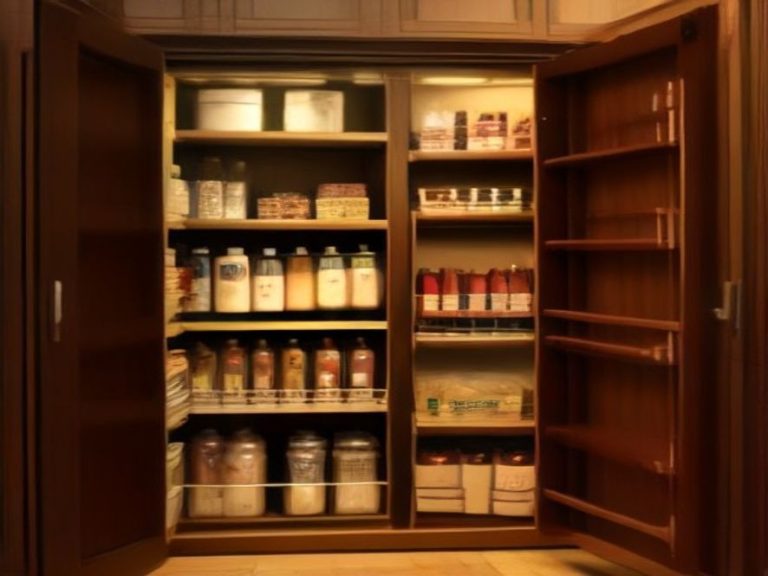
Dedicated bottle racks come in various styles—metal wire racks, wooden crates with dividers, or plastic units with individual slots. These keep each bottle secure and prevent them from clinking into each other. They’re a great investment if you have a large collection of oils, vinegars, or glass-bottled drinks.
Solution #4: Under-Shelf Baskets
If you have shelves that are spaced far apart, you can install under-shelf wire baskets to hold smaller bottles. This makes use of vertical space that would otherwise be wasted. These are great for storing spray oils or small condiment bottles.
What About the Door?
Pantry doors are underused real estate for bottle storage. An over-the-door beverage rack or a wire rack with slots can hold cans and small bottles perfectly. This is especially great for sparkling waters, canned beverages, or small juice bottles.
Safety note: Avoid putting heavy glass bottles on the door rack, as the weight can strain the hinges over time. Stick to lightweight cans and plastic bottles.
Step-by-Step Guide to Organizing Pantry Bottles
1. Empty and Sort
Take all bottles and drinks out of your pantry. Wipe down the shelves and check for sticky spills or expired items. Toss anything that’s past its expiration date or that you know you won’t use.
2. Group by Category
Separate your bottles into daily drinks, cooking oils, specialty drinks, and bulk items. This shows you how many you have in each category and helps you plan your zones.
3. Check for Leaks and Sticky Bottles
Wipe down each bottle before you put it back. A sticky bottle can attract dust and pests, and it will stick to your shelf, disrupting your neat arrangement. Check caps to make sure they’re sealed tightly.
4. Install Dividers or Racks
Now that you know your zones, install tension rods, tiered risers, or bottle racks to keep everything secure. This step is crucial—without dividers or racks, bottles will just roll back into chaos.
5. Place by Frequency of Use
Put your most-used items at eye level and in the most accessible spots. Store heavier items like large bottles of oil or bulk drinks on lower shelves. Place specialty or occasional drinks higher up or in the back.
6. Label and Maintain
Labels help everyone in the household know where things go. You can use simple chalkboard labels or a label maker for a clean look. Check your bottle zone weekly to make sure nothing has tipped or rolled out of place.
Pantry Bottle Storage Comparison
| Storage Method | Best For | Stability Level | Space Efficiency |
|---|---|---|---|
| Tension Rod Dividers | Oils, vinegars, tall bottles | High | High |
| Tiered Shelving | Daily drinks, small bottles | Medium | High |
| Bottle Racks | Individual bottles | Very High | High |
| Under-Shelf Baskets | Small bottles, condiments | Medium | High |
| Lazy Susan | Oils, vinegars, sauces | Medium | Medium |
| Door Beverage Rack | Cans, small plastic bottles | Medium | Very High |
Frequently Asked Questions
Q: How do I stop bottles from rolling around in my pantry?
A: Use tension rods as dividers, install bottle racks with individual slots, or place bottles in a sturdy bin with high sides to keep them upright.
Q: Should I store olive oil in the pantry or fridge?
A: Olive oil is best stored in a cool, dark pantry away from heat and light. Refrigeration can cause it to solidify, which affects texture and flavor.
Q: How do I organize tall soda bottles or 2-liter jugs?
A: Store them on a shelf with enough vertical clearance and place them in a deep bin or crate to prevent them from tipping over. Keep heavier bottles on lower shelves.
Q: Can I store canned drinks on their side?
A: Yes, but it’s best to use a rack or dispenser that holds them at an angle for easy access. Avoid stacking heavy cans on top of each other without support.
Q: How often should I check for expired drinks?
A: Check your drink zone every few months. Many bottled beverages have expiration dates, and syrups or juices can go bad if left too long.
Q: What’s the best way to store multiple open bottles of the same drink?
A: Consolidate open bottles whenever possible. If you have two half-empty bottles of the same juice, combine them into one container and refrigerate.
Enjoy a Stable, Organized Bottle Zone
Organizing pantry drinks and bottles is all about stability and visibility. Once you have a system that keeps bottles upright and grouped by how you use them, you’ll stop knocking things over and you’ll always know what you have on hand. A little planning with racks, dividers, and tiers goes a long way.
Which bottle organization challenge frustrates you the most? Share your thoughts in the comments below!
References & Further Reading