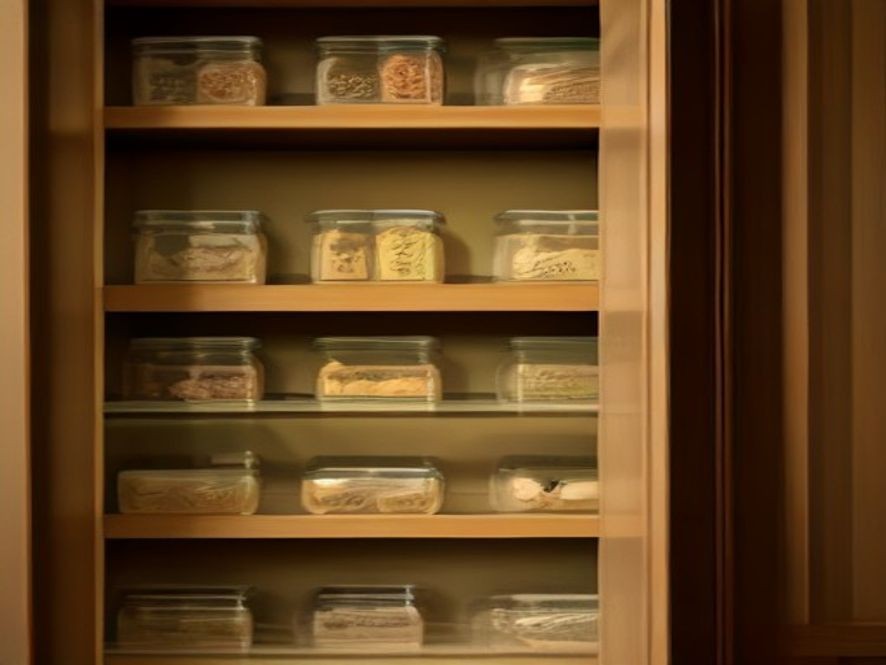
How to Organize Spices in a Pantry Without Wasting Space
You’re in the middle of cooking, and you need cumin. You dig through a jumble of mismatched bottles, knock over three others, and finally find it—only to realize it expired last year.
Spices are some of the smallest items in your pantry, but they can create the biggest headaches. They hide in the back, roll around on shelves, and take up precious space that could be used for other ingredients. This guide will show you practical, space-saving ways to organize your spices so you can find what you need instantly and stop wasting valuable shelf space.
TL;DR
Smart spice organization is all about using the right storage containers and making use of overlooked spaces. Transfer spices to uniform, clear jars, use tiered organizers or door-mounted racks, and keep your collection visible and accessible. Avoid storing spices near heat or light to preserve their freshness.
Key Takeaways
- Use Uniform Containers: Transfer spices to matching jars to maximize space and improve visibility.
- Think Beyond Shelves: Utilize the inside of pantry doors, vertical space, and even spare wall areas.
- Group by Frequency: Keep your most-used spices front and center for easy access.
- Protect from Heat and Light: Store spices away from the stove, oven, and direct sunlight to maintain freshness.
- Label Everything: Clear labels with dates help you identify spices quickly and track freshness.
Where Should You Actually Store Your Spices?
Before we talk about storage solutions, let’s address the most important question: where should your spices live? The ideal location is cool, dark, and dry.
Heat and light are the enemies of flavor. They break down the essential oils that give spices their aroma and taste. That’s why storing spices right next to your stove or in a sunny spot is a bad idea—even if it’s convenient.
Your pantry is often the best choice because it’s dark and away from heat sources. But if you don’t have a pantry, consider a cabinet that’s far from the oven, or even a drawer. The key is consistency: keep your spices together in one dedicated spot so you always know where to look.
Clever Storage Solutions That Save Space
Solution #1: Door-Mounted Spice Racks
One of the smartest ways to store spices is to use the inside of your pantry or cabinet doors. This takes advantage of space that would otherwise be wasted.
You have a few options here. You can install slim wire racks or shelves that attach to the door. Make sure you measure carefully so the racks don’t hit the shelves when you close the door.
Another option is spice gripper clips. These little clips hold standard-sized spice jars and can be mounted on doors, backsplashes, or even walls. They’re budget-friendly and easy to install, but be careful with adhesive versions if you’re using glass jars—they can lose grip over time.
“Storing spices on the inside of your pantry door keeps them away from light and heat, which are the worst enemies of your herbs and spices.”
Solution #2: Pull-Out Organizers and Drawers
If you have awkward or narrow spaces in your kitchen, pull-out spice organizers are a game-changer. These are essentially slim panels with shelves that slide out, bringing your entire collection into view in one pull.
You can install them in unused vertical gaps—like the space between your fridge and counter—or inside existing cabinets. This transforms dead space into highly functional storage.
If you’re using a drawer instead, try laying spice bottles flat with the labels facing up. Add a non-slip liner to keep them from rolling around, and you’ll have a neat, visible spice collection.
Solution #3: Tiered and Step Organizers
A tiered shelf or step riser is a simple but effective way to double your spice storage on a single shelf. Put taller bottles in the back row and shorter ones in the front so you can see everything at a glance.
These organizers work great on pantry shelves, countertops, or inside cabinets. They maximize vertical space and eliminate the frustration of reaching for spices hidden behind others.
Solution #4: Use the Right Containers
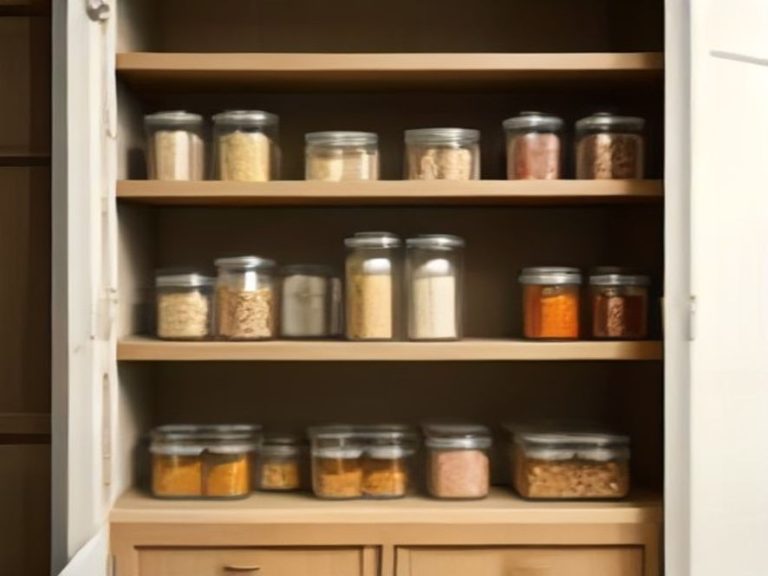
One of the best things you can do for your spice organization is to transfer them into matching containers. Uniform jars save space, look cleaner, and make it easy to see what you have.
Glass jars with airtight lids are ideal. They don’t absorb odors or stains, and they keep spices fresh longer. Look for square or rectangular jars if you want to maximize shelf space—they fit together better than round ones.
For a budget-friendly option, some chefs use deli containers. They’re stackable, have wide mouths for easy scooping, and can be labeled with painter’s tape and a marker. Just make sure to label them clearly so you know what’s what.
Spice Storage Options Comparison
| Storage Method | Best For | Space Efficiency | Installation Effort |
|---|---|---|---|
| Door-Mounted Racks | Small to medium collections | High | Easy |
| Pull-Out Organizers | Awkward or narrow spaces | High | Medium |
| Tiered Shelf Risers | Cabinet or pantry shelves | High | Easy |
| Drawer Storage (flat) | Deep drawers | Medium | Easy |
| Matching Spice Jars | Any setup | High | Easy |
Step-by-Step Guide to Organizing Your Spices
1. Empty and Sort
Take all your spices out and sort them by category—baking spices, cooking spices, whole spices, and blends. This is the time to check expiration dates and toss anything that’s lost its potency.
2. Consolidate and Decant
If you have multiple containers of the same spice, combine them. Then transfer your spices into matching jars or containers. Clear glass jars are ideal because you can see the contents at a glance.
3. Label Everything
Labels are essential. Write the name of the spice and the date you transferred it. This helps you identify spices quickly and track how fresh they are.
4. Choose Your Storage Spot
Decide where your spices will live based on your kitchen layout. Prioritize a location that’s cool, dark, and away from the stove. If possible, keep your most-used spices in the most accessible spot.
5. Install Your Organizer
Whether you’re using a door rack, a tiered shelf, or a pull-out organizer, install it now. Make sure it’s secure and can hold the weight of your collection.
6. Arrange by Frequency of Use
Place your most-used spices at the front or on the most accessible row. Put seasonal or less-used spices further back or on higher shelves. This makes everyday cooking faster and easier.
Frequently Asked Questions
Q: How long do dried spices last?
A: Ground spices typically last 1-3 years, while whole spices can last 3-4 years. They lose flavor over time, so it’s best to replace them if they’ve lost their aroma.
Q: Should I store spices in the fridge or freezer?
A: It’s not necessary for most spices. A cool, dark pantry is ideal. However, you can store whole spices in the freezer to extend their life if you buy in bulk.
Q: What’s the best way to store spices without a pantry?
A: Use a cabinet, drawer, or even a wall-mounted shelf away from heat and light. Door-mounted racks are also a great option for small kitchens.
Q: How do I prevent spices from absorbing moisture?
A: Store them in airtight containers and avoid using them directly over a steaming pot—this introduces moisture. Always use a dry spoon to scoop them out.
Q: Should I organize spices alphabetically?
A: Alphabetical order works well if you have a large collection. Alternatively, group by category—baking spices, cooking spices, and blends—for more intuitive access.
Enjoy Your Streamlined Spice Collection
Organizing your spices doesn’t have to be complicated. With the right containers and storage solutions, you can transform a chaotic mess into a neat, functional system. The key is to use overlooked spaces, keep your collection visible, and protect your spices from heat and light. Once you have a system in place, you’ll wonder how you ever cooked without it.
Which spice organization challenge frustrates you most? Share your thoughts in the comments below!
References & Further Reading
- How To Keep Your Spices Neatly Organized When You Don’t Have Much Kitchen Space – Chowhound
- DIY Pantry Door Spice Rack Hack – Dream Green DIY
- Neither Drawers Nor Shelves: A Smarter Way To Store Spices Without The Clutter – Yahoo
- The Simple Container Method Chefs Use To Keep Spices Organized – Tasting Table