How to Organize a Pantry for a Small Family: Practical Storage Solutions
When you’re cooking for a small family, every trip to the store and every minute of meal prep matters. A well-organized pantry can save both—if it’s built around how your family actually eats, not a magazine-worthy ideal.
TL;DR
Organizing a pantry for a small family means focusing on what you actually use, creating zones that work for your cooking habits, and keeping things simple to maintain. Group similar items together, use clear containers for the staples you reach for most, and keep daily-use items at eye level. Labels help everyone know where things go, and small habits like a weekly reset keep the system working.
Key Takeaways
- Group by zones, not by size — keep baking supplies, snacks, and meal ingredients in dedicated spots to speed up finding and putting away
- Place kid-accessible items low — when kids can reach their own snacks, it builds independence and cuts down on “where’s the…” questions
- Store heavy items on lower shelves — this is safer and makes lifting easier during restocking
- Labels help everyone — they’re not for you; they’re for family members who don’t know the system
- Use clear containers for frequently used staples — you’ll see when you’re running low without opening anything
Start With a Clean Slate
Before you buy a single bin or basket, take everything out of your pantry. Yes, everything . This gives you a fresh start and helps you see exactly what you’re working with .
As you clear things out:
- Check expiration dates and toss anything that’s no longer good
- Group similar items together on your counter or table
- Notice what you keep buying duplicates of
- Identify foods nobody in your family actually eats
Once your pantry is empty, vacuum out crumbs, wipe down shelves, and maybe add a shelf liner . This step makes the whole space feel fresh.
Create Zones Based on How You Cook
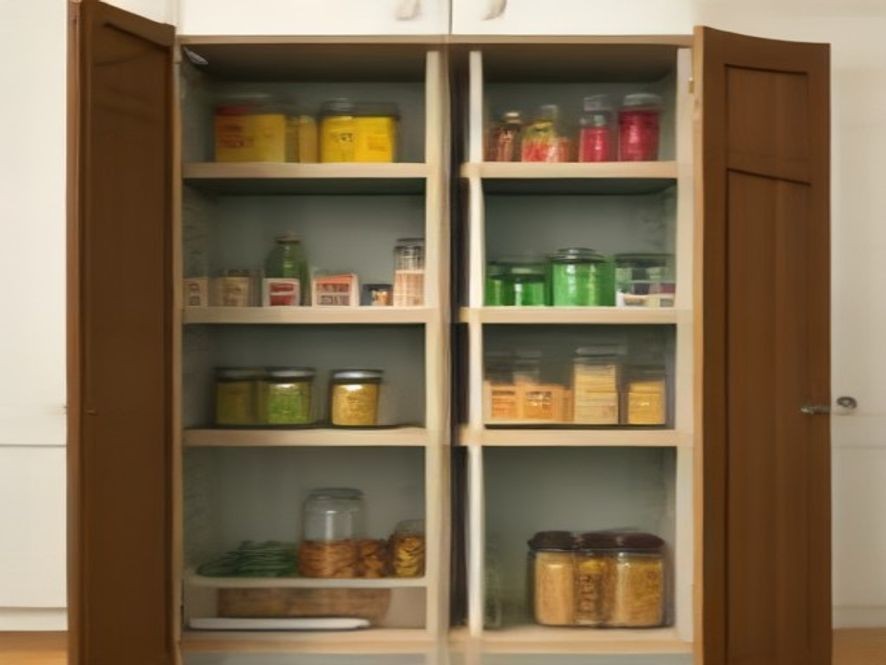
Instead of organizing by size or looks, group items by how you actually use them . This is what professional organizers call “zoning,” and it’s the single biggest improvement you can make for free .
Common zones for small families:
- Breakfast zone — cereal, oatmeal, coffee, tea; place at eye level for busy mornings
- Snack zone — low shelves so kids can help themselves
- Meal ingredients zone — pasta, rice, canned tomatoes, sauces; grouped together for easy dinner assembly
- Baking zone — flour, sugar, baking powder, chocolate chips
- Backstock zone — extras and bulk items you’re not using right now; higher shelves work well here
The goal is simple: when you need something, you know exactly where to look without searching every shelf.
Make the Most of Your Space
Keep Frequently Used Items at Eye Level
Think about what you reach for most often and keep those items front and center . If you only bake a few times a year, those supplies can go higher up .
Good rule of thumb:
- Eye level — daily-use items
- Lower shelves — kids’ snacks and heavy items
- Higher shelves — less-used or backstock items
Use Baskets to Contain Small Items
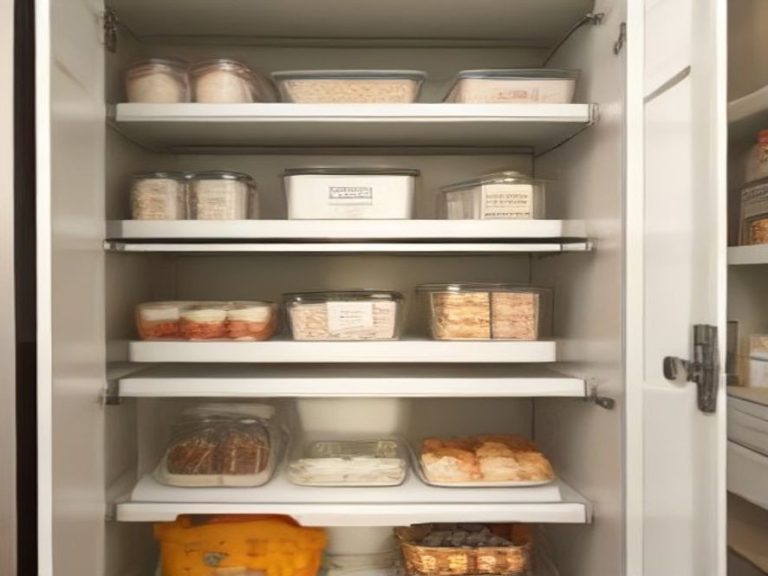
Baskets are one of the easiest ways to keep a pantry looking tidy . They’re perfect for grouping smaller items that tend to get lost — snack bars, seasoning packets, baking supplies . When you need something, just pull out the whole basket instead of digging .
Basket types that work well:
- Woven baskets add texture and warmth
- Clear bins let you see contents at a glance
- Metal wire baskets are lightweight and breathable
Clear Containers for Staples
Clear containers can make a huge difference in a small pantry . They keep things looking neat and make it easy to see what you have . Plus, they help you spot when you’re running low, which saves money and prevents duplicates .
What to decant:
- Flour, sugar, rice, pasta
- Cereal and snacks you use often
- Coffee and tea
What to leave in original packaging:
- Canned goods (just face labels out)
- Jarred sauces (already visible)
- Items you don’t use frequently
Pro tip: A lot of staples like flour, sugar, and pasta come in packaging that’s difficult to seal properly . Transferring them into airtight containers can help them stay fresher for longer.
Labels and Systems That Last
Labels Help Everyone
Labels make it easier for the whole family to know where things belong . Professional organizer advice: “Labels aren’t for you. They’re for the people you live with that don’t care about the system.”
They also cut down on the “I can’t find the…” questions from family members.
What to label:
- Shelf zones (“Snacks,” “Baking,” “Breakfast”)
- Bins and baskets
- Clear containers (include the item name and maybe the date opened)
The FIFO Rule
When you restock, put older items in front and new ones behind . This simple habit prevents forgotten food and wasted money.
How to do it: When you bring groceries home, pull everything forward, add new stuff at the back, then slide the older items up . It takes a minute but beats tossing out forgotten food.
Keep It Simple and Maintainable
The best pantry system is one you can actually keep up with . Don’t overcomplicate things with too many containers or categories . A small pantry has almost no room for error, so keep the system simple.
Small habits that help:
- Do a quick reset once a week — it takes five minutes to straighten things up
- Check what’s running low before you shop
- Return stray items to their zones
And here’s the key: don’t fill every single inch. If your pantry is packed completely full, bringing home normal groceries means playing pantry Tetris for twenty minutes . Leave a little breathing room.
Small Family-Specific Considerations
Think About How Many You’re Cooking For
For a small family, portion sizes and quantities matter. If you’re cooking for two adults and a child, you don’t need the same bulk storage as a family of six. Adjust your zones and container sizes to match your actual grocery runs.
Kids’ Independence
Place snacks and kid-friendly items on lower shelves so children can help themselves . This builds independence and makes your life easier during the “I’m hungry” moments.
Don’t Let Food Spread
Try to keep all your food in one spot . When food is spread across multiple cabinets, closets, and island drawers, you end up re-purchasing things you already have .
FAQ: Pantry Organization for Small Families
1. What’s the best way to start organizing a small pantry?
Take everything out, check expiration dates, and group similar items together before buying any new organizers . This shows you exactly what you need to store first.
2. How do I keep my pantry organized long-term?
Use labels, do a quick weekly reset, and follow the FIFO rule when restocking . Simple habits prevent chaos.
3. Do I need to decant everything into clear containers?
No. Focus on items you use most often — flour, sugar, pasta, rice, cereal . Leave canned goods and jarred items in their original packaging.
4. What should go on the lowest shelf?
Put items kids need to reach (snacks, breakfast items) and heavy items (canned goods) on lower shelves . This is safer and more practical.
5. How do I stop buying duplicate items?
Group like items together so you can see what you have, and check your pantry before you shop . A quick pre-shopping scan prevents “we’re out of that” mistakes.
A pantry organized for a small family is about function, not perfection. It’s about knowing what you have, finding what you need, and making your busy life just a little bit easier. Start with the simple steps — empty, group, label, maintain — and build from there.
Which pantry zone does your family need the most? Share your thoughts in the comments.
How to Organize a Pantry for a Small Family: Practical Storage Solutions for Everyday Cooking