How to Organize a Pantry for a Large Family: Practical Solutions That Work
When you’re cooking for a crowd, every trip to the store and every minute of meal prep matters. A well-organized pantry can save both—if it’s built around how your family actually eats, not a magazine-worthy ideal.
TL;DR
Organizing a pantry for a large family is different from organizing for one or two people. You need to handle bulk shopping, multiple snackers, and a constant flow of groceries without losing your mind. The secret is creating clear zones for different food categories, using clear containers so everyone can see what’s in stock, and building a system that’s easy enough for the whole family to maintain. Labels, FIFO (First In, First Out), and a dedicated snack station are non-negotiable for keeping chaos at bay.
Key Takeaways
- Create zones like a grocery store — baking, snacks, breakfast, canned goods, and dinner staples all get their own areas so everyone knows exactly where to find things
- Clear containers and labels are your best friends — they let you see what’s low and show everyone where things belong without you having to explain it every time
- Bulk shopping needs bulk storage — large airtight containers for flour, sugar, rice, and pasta save money and space
- Use FIFO (First In, First Out) — always put new groceries behind older ones so nothing gets forgotten and expires
- Don’t ignore the door — over-the-door organizers add storage for spices, packets, and small items without taking shelf space
Why Large Family Pantries Get So Chaotic
A pantry for a large family faces unique challenges that smaller households don’t. Bulk shopping means bigger packages that don’t fit neatly on shelves. Multiple people—especially kids—grabbing snacks throughout the day creates constant shuffling. And when you’re cooking for six or more, you need to find ingredients fast without digging through a mountain of boxes .
The extra space in a large pantry is only useful if you can actually find what you need when you need it . Without a clear system, even a spacious walk-in pantry becomes a black hole of forgotten food, expired items, and duplicate purchases. Professional organizers agree that creating designated zones is the single most important step for taming a large pantry .
Step-by-Step: Organizing Your Large Family Pantry
Step 1: Empty Everything Out
Before you buy a single bin or basket, you need to know what you’re working with. Take everything out of your pantry—yes, everything—and spread it on your counter or dining table . Check expiration dates as you go and toss anything that’s expired. Group similar items together on your counter: all canned goods in one pile, all baking supplies in another, all snacks in a third.
This is also a great time to donate unopened items you know your family won’t eat. The goal is to start fresh with a clear picture of what you actually own.
Step 2: Measure Your Space
Measure the height, depth, and width of each shelf before buying any organizers. A large pantry often has shelves of different depths, and knowing these measurements prevents the frustration of buying bins that don’t fit . Take note of awkward corners and deep shelves that tend to become forgotten zones .
Step 3: Create Zones
Think of your pantry like a grocery store—it should have specific sections for different categories of items . Zones help family members find what they need and put things back in the right spot without asking you.
Essential zones for large families:
- Baking supplies — flour, sugar, baking powder, chocolate chips, sprinkles; keep all tools and ingredients together
- Canned goods — soups, beans, tomatoes, vegetables; group similar types together
- Snack station — chips, crackers, granola bars, fruit pouches; lower shelves work best for kids
- Breakfast zone — cereal, oatmeal, pancake mix, coffee, tea; eye level for busy mornings
- Dinner staples — pasta, rice, pasta sauce, canned proteins; grouped together for easy meal assembly
- Bulk dry goods — large bags of flour, rice, oats; use clear airtight containers
- Backstock zone — extras and overflow items you’re not using right now
One professional organizer notes, “With an abundance of space like this, it’s easy to feel overwhelmed, and inevitably when we feel that way, it will become cluttered” . Breaking the space into clear zones prevents that overwhelm.
Step 4: Choose the Right Storage Solutions
Clear Containers for Bulk Items
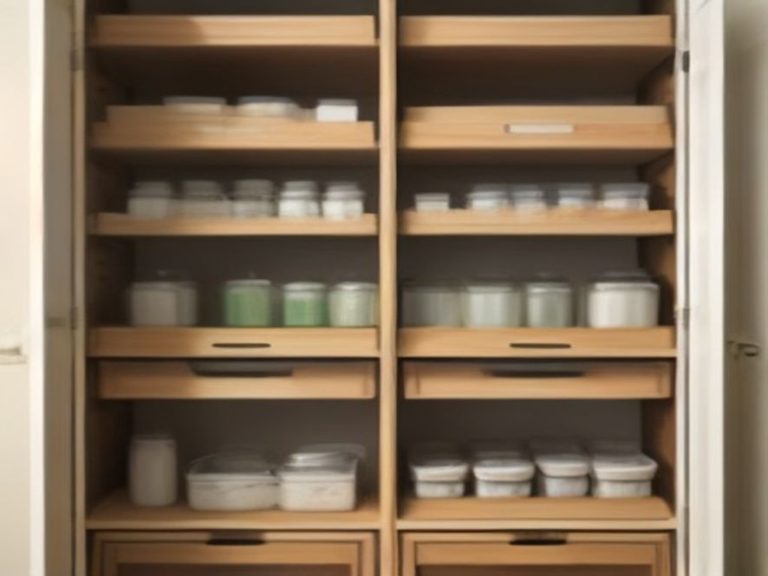
For a large family, bulk shopping is a money-saver. But large packages are hard to store and even harder to see into. Transferring dry goods into clear, airtight containers does three things at once: you can see at a glance what needs restocking, the airtight seals keep food fresher longer, and uniform containers stack neatly to maximize space .
Look for containers that are specifically designed for bulk quantities—some hold up to 37 cups of flour or 15 pounds of sugar . Square or rectangular containers use shelf space more efficiently than round ones, and modular systems let you stack them like building blocks .
What to decant:
- Flour, sugar, rice, oats
- Pasta, cereal, snacks you buy in bulk
- Coffee, tea, baking supplies
What to keep in original packaging:
- Canned goods (just face labels outward)
- Jarred sauces (already visible)
- Items you don’t use frequently
Pull-Out Drawers and Baskets
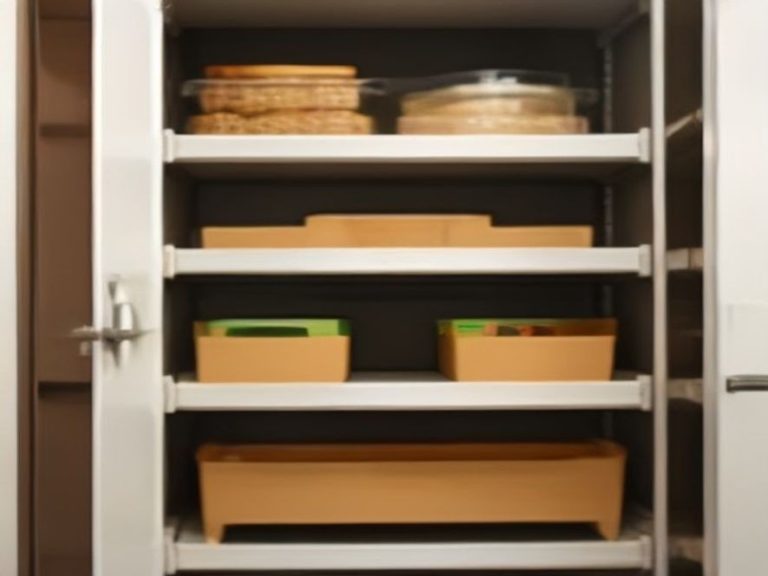
Deep shelves create dead zones in the back where food gets forgotten and expires. Pull-out drawers and sliding baskets bring everything forward with one motion, making it just as easy to grab items from the back as the front . They’re especially useful for lower shelves where bending and reaching would be awkward.
Lazy Susans for Corners
Corner spaces and small items like oils, vinegars, and sauces create organizational headaches. Lazy Susans solve both problems by making everything accessible with a simple spin. Use larger turntables in corners and smaller ones for condiments that would otherwise get shoved to the back .
Baskets for Loose Items
Grouping similar items in labeled baskets creates portable organization. Put all pasta in one bin, soups in another, and breakfast items in a third . The baskets corral items that might otherwise spread across multiple shelves, and you can pull out an entire category at once when you’re meal planning or making a grocery list.
Door-Mounted Organizers
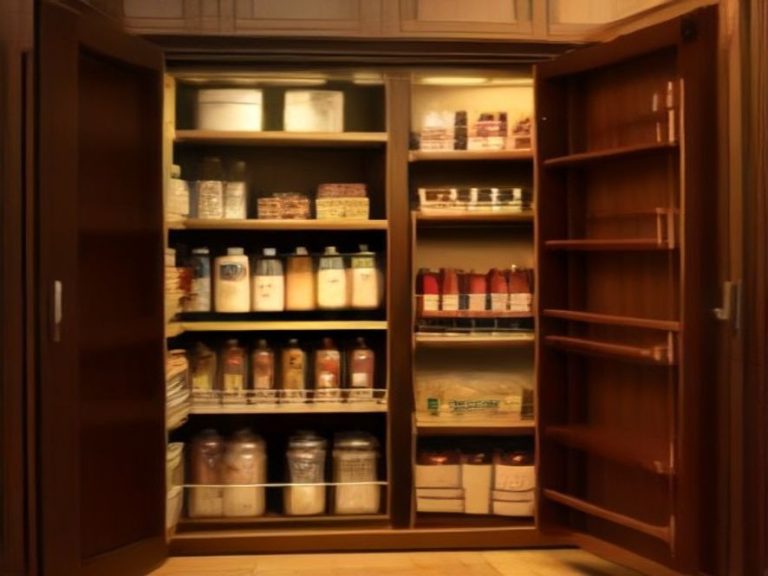
The back of your pantry door is prime real estate that most families waste entirely . Over-the-door organizers with pockets or shelves can hold spices, snack bars, seasoning packets, and other small items that get lost on deep shelves . This adds storage without any additional construction.
Step 5: Label Everything
A pantry system only works if everyone in the household understands it . Clear labels on containers, shelves, and zones eliminate confusion and help family members put things back in the right spot .
Labeling tips:
- Use a label maker for a polished look, or chalkboard labels if you like switching things around
- Keep labels broad—”Snacks” is easier to maintain than “Granola Bars”
- Put labels on the front of bins for easy reading
- Include purchase dates on containers so you know what’s oldest
Step 6: Implement FIFO (First In, First Out)
This is the rule grocery stores follow, and it works just as well at home . When you restock, push older items to the front and place newly purchased goods at the back. This simple habit eliminates expiration surprises and ensures nothing sits forgotten.
How to do FIFO:
- When you bring groceries home, pull everything forward
- Place new items at the back
- Slide older items back to the front
- Use a chalkboard label on bins with the “date purchased” so it’s easy to update
Step 7: Install Good Lighting
Even large pantries have dark corners where you can’t read labels or see what’s available. Battery-operated LED strips or motion-sensor lights illuminate every shelf without requiring an electrician . Good lighting means you’ll actually use everything in your pantry instead of just the items in the well-lit areas.
Step 8: Designate a Snack Station
Kids and adults constantly dig through the pantry looking for something to munch on, creating daily chaos . Setting up one dedicated basket or shelf as the official snack zone contains the mess and makes it easy for everyone to grab what they want. Place it at kid height so children can help themselves independently .
Comparison: Storage Solutions for Large Pantries
| Solution | Best For | Key Benefit |
|---|---|---|
| Clear airtight containers | Bulk dry goods (flour, sugar, rice) | See quantities at a glance, keeps food fresh |
| Pull-out drawers | Deep shelves, heavy items | Brings everything forward, no rummaging |
| Lazy Susans | Corners, oils, sauces | One spin accesses everything |
| Labeled baskets | Snacks, pasta, baking supplies | Portable categories, easy to pull out |
| Door-mounted organizers | Spices, packets, small items | Adds storage without taking shelf space |
| Adjustable shelving | Tall and short items | Flexes as your needs change |
Common Mistakes Large Families Make
Buying Containers Before Planning Zones
The container aisle is tempting—those matching sets, those clean lines. But containers bought without measurements and a zone plan end up being the wrong size, the wrong shape, or the wrong quantity . Measure first. Plan second. Buy third.
Over-Decanting
You do not need to transfer Cheerios from a perfectly good box into a clear container. The box has a resealable top, nutritional information, and a recognizable design that every family member can identify. Decant items that benefit from it—bulk goods, flimsy packaging, portion control. Leave everything else in its packaging, organized in bins .
Putting Kids’ Stuff on High Shelves
If your child’s snacks are on a shelf they can’t reach, you’ve guaranteed two things: they’ll ask you for snacks constantly, and they’ll eventually try to climb the shelves to reach them . Kid items go low. Always.
No Maintenance Routine
The most beautifully organized pantry in the world has a shelf life of about five weeks without maintenance . Build the maintenance into your weekly routine the same week you organize, not “eventually.”
Organizing for the Pantry You Wish You Had
Work with the space you have. If that means your baking supplies live in a bin on the top shelf instead of beautifully displayed in matching canisters, that’s fine. Function over aesthetic, always .
FAQ: Organizing a Large Family Pantry
1. What’s the best way to organize a large pantry for a big family?
Create zones for different food categories (baking, snacks, canned goods, breakfast, dinner staples), use clear containers for bulk items, and label everything so the whole family can find and return items.
2. How do I handle bulk shopping in a large pantry?
Invest in large airtight containers for flour, sugar, rice, and pasta. Use FIFO (First In, First Out) to ensure older items get used before new ones. Designate a backstock zone for overflow items .
3. Should I use baskets or containers in a large pantry?
Both. Baskets are great for containing categories of similar items (pasta, snacks, baking supplies) that can be pulled out as a unit. Clear containers are best for dry goods you want to see at a glance .
4. How do I keep kids out of the pantry without constant supervision?
Don’t lock them out—create a designated kid-friendly snack zone on low shelves with clear bins they can access independently. Label it clearly and involve kids in maintaining their zone .
5. What’s FIFO and why does it matter?
FIFO stands for First In, First Out. When you restock, put newer items behind older ones so you naturally reach for the oldest first. This prevents food waste and saves money .
6. How often should I do a full pantry reset?
Do a weekly quick tidy (5-10 minutes) and a seasonal deep clean (30-45 minutes) to check expiration dates, rotate stock, and reassess zones as your family’s needs change .
7. What should I do about awkward deep shelves?
Add pull-out drawers, sliding baskets, or lazy Susans so items don’t get lost in the back. These solutions bring everything forward with one motion .
Start Your Large Family Pantry Today
A pantry organized for a large family is about function, not perfection. It’s about knowing what you have, finding what you need, and making your busy life just a little bit easier. Start with the simple steps—empty, group, label, maintain—and build from there.
Which pantry zone does your large family need the most? Share your thoughts in the comments.
How to Organize a Pantry for a Large Family: Practical Storage Solutions for Busy Kitchens