
How to Clean a Kitchen Appliance That Has a Bad Smell: A Complete Guide to Fresh, Odor-Free Appliances
You open your refrigerator to grab a snack, and a wave of stale, funky air hits you. Or maybe the dishwasher just finished its cycle, but instead of clean, fresh dishes, you get a musty smell that makes you want to close the door and walk away.
TL;DR
Bad smells in kitchen appliances come from trapped food debris, grease buildup, moisture, and mold. Each appliance needs a different approach: refrigerators need baking soda and thorough cleaning of spoiled food ; dishwashers need a clean filter and a vinegar rinse cycle ; microwaves benefit from a lemon or vinegar steam clean ; and ovens respond to a baking soda paste left overnight . For most appliances, the dynamic duo of white vinegar and baking soda is your best friend—they cut grease, absorb odors, and disinfect naturally . Regular maintenance and daily habits keep smells from coming back.
Key Takeaways
- Most appliance odors come from leftover food particles, grease, and moisture trapped in hard-to-reach places .
- White vinegar and baking soda are powerful natural deodorizers that tackle smells without harsh chemicals .
- Clean your dishwasher filter monthly—a dirty filter is the number one cause of musty dishwasher smells .
- Regular maintenance prevents odors—wipe up spills immediately and leave appliance doors open to dry .
- Never mix vinegar with bleach—this creates toxic chlorine gas .
Why Kitchen Appliances Develop Bad Smells
Your kitchen appliances work hard every day, and over time, they collect more than just the food you cook. Understanding why smells develop helps you prevent them in the future.
The Three Main Culprits Behind Appliance Odors
1. Trapped Food Particles
Food debris that isn’t cleaned away can rot, mold, or simply go stale. In dishwashers, the filter catches bits of food that can start to smell if not cleaned regularly . In refrigerators, an old container pushed to the back can be the source of a persistent odor .
2. Grease Buildup
Grease and cooking oils are sticky and can coat the inside of your oven, microwave, and even your dishwasher. Over time, this grease breaks down and starts to smell rancid .
3. Moisture and Mold
Moist environments are perfect breeding grounds for mold and mildew. Dishwashers and refrigerators are especially vulnerable. Leaving your dishwasher door cracked open after a cycle lets moisture escape and prevents mold growth . Refrigerator drip pans can also collect condensation and become bacteria havens .
“Odors in your kitchen usually come from leftover food particles, moisture, and grease buildup. Over time, these can stick to your appliances and create a persistent smell” .
Step-by-Step Guide: How to Deodorize Each Kitchen Appliance
Here’s a practical, appliance-by-appliance guide to banishing bad smells for good.
1. Refrigerator: Using Baking Soda to Absorb Odors
A smelly refrigerator is often the result of spoiled food or spills . Here’s how to fix it.
Step 1: Empty Everything
Take all the food out of your fridge and freezer. Check expiration dates and throw away anything that’s spoiled or questionable. Remember the rule: “When in doubt, throw it out” .
Step 2: Remove and Wash Shelves and Drawers
Take out all removable shelves, crispers, and trays. Wash them with hot water and dish soap. For a deeper clean, sanitize with a solution of 1 teaspoon of bleach per quart of tap water .
Step 3: Clean the Interior
Wipe down the inside walls, door, and the rubber gasket around the door using a mixture of hot water and baking soda . For stubborn stains, use a baking soda paste. Rinse with a damp cloth and dry completely.
Step 4: Don’t Forget the Drip Pan
The drip pan at the bottom of your fridge can be a hidden source of odor. Locate it, pull it out, empty any water, and wash it with warm, soapy water .
Step 5: Absorb Lingering Odors
Place an open box of baking soda or a small bowl of fresh coffee grounds inside the fridge to absorb any remaining smells . For stronger odors, leave the appliance open and let it air out for a day or two .
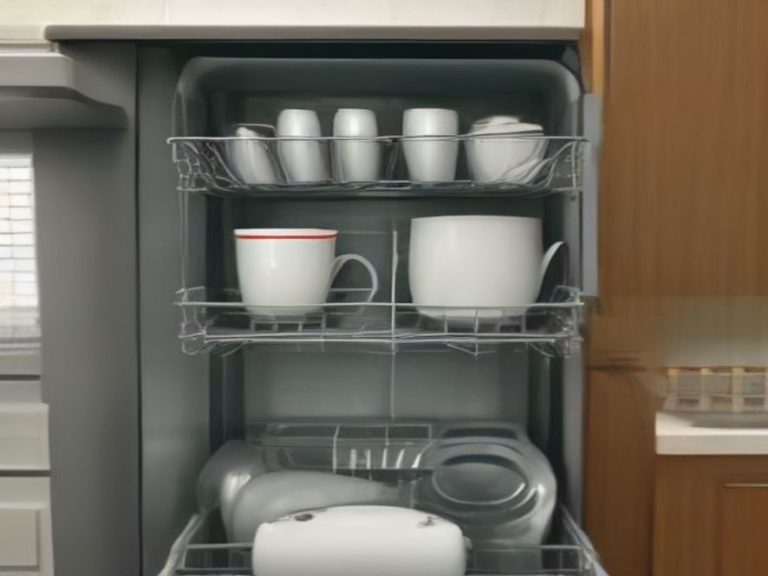
2. Dishwasher: Vinegar and Baking Soda Cleaning Cycle
A dishwasher can develop a musty smell from trapped food, grease, and mold on the gasket . The solution is a two-part cleaning cycle.
Step 1: Clean the Filter
The dishwasher filter is the most common source of bad smells . Locate it on the bottom of the appliance, remove it according to your manual, and scrub away food residue under hot water with a soft sponge and dish soap. Do this at least once a month .
Step 2: Clean the Gasket and Interior
Wipe down the rubber seal on the door (the gasket) with a cloth and warm, soapy water. This is where mold likes to grow .
Step 3: Run a Vinegar Cycle
Place a dishwasher-safe cup filled with 2 cups (500 mL) of white vinegar on the bottom rack . Run the dishwasher through a complete hot water cycle with no dishes and no detergent .
Step 4: Follow with a Baking Soda Cycle
After the vinegar cycle, sprinkle a cup of baking soda across the bottom of the dishwasher. Run a short, hot water cycle. This neutralizes any lingering odors .
Step 5: Prevent Future Odors
Leave the dishwasher door cracked open after every cycle to allow steam to escape and prevent mold growth .
3. Microwave: Lemon Steam Clean Method
The microwave is prone to food splatters that can burn and smell. Steam cleaning makes this job easy.
Step 1: Make a Steam Cleaner
Fill a microwave-safe bowl with 1 cup (250 mL) of water. Add 1 tablespoon (15 mL) of lemon juice or white vinegar . You can also use sliced lemons .
Step 2: Heat and Steam
Microwave on high for 2 to 5 minutes, until the water boils and the interior is filled with steam . Let the bowl sit for a few minutes so the steam can loosen the grime.
Step 3: Wipe Clean
Carefully remove the bowl. Wipe the interior with a soft cloth or sponge . The steam loosens stuck-on food, making it easy to wipe away. Remove the turntable and wash it separately in warm, soapy water .
4. Oven: Baking Soda Paste Treatment
Oven odors often come from baked-on grease and food spills . The self-cleaning function can sometimes make the odor worse, so manual cleaning is often better .
Step 1: Remove Racks and Accessories
Take out the oven racks. Soak them in warm, soapy water or a baking soda paste overnight to loosen grime .
Step 2: Apply a Baking Soda Paste
Make a paste by mixing baking soda with water. Spread the paste over the inside of the oven, avoiding the heating elements. Let it sit overnight to break down grease and grime .
Step 3: Wipe and Rinse
Spray the paste with white vinegar. This will create a fizzing reaction that helps loosen the residue. Use a damp cloth or plastic scraper to wipe everything away .
Step 4: Wash and Replace the Racks
Scrub the oven racks, rinse and dry them completely before putting them back in the oven.
5. Garbage Disposal: Citrus Peel Refresh
If your sink area smells bad, the garbage disposal is likely the culprit.
Step 1: Flush with Water
Run cold water for about a minute while the disposal is running to clear out loose debris .
Step 2: Use Citrus Peels
Turn on the disposal and drop in a handful of citrus peels (lemon, orange, or lime). The oils and acids in the peels help deodorize and clean the blades .
Step 3: Deep Clean
For a deeper clean, turn off and unplug the disposal. Use a long-handled brush to scrub the inner sides .
Natural Cleaning Solutions That Work
You don’t need harsh chemicals to keep your appliances smelling fresh. These natural ingredients are just as effective and much safer .
| Cleaning Agent | Best For | How It Works |
|---|---|---|
| White Vinegar | Dishwashers, microwaves, coffee makers | Cuts grease, dissolves mineral deposits, neutralizes odors |
| Baking Soda | Refrigerators, ovens, dishwashers | Absorbs odors, gentle abrasive for scrubbing |
| Lemon Juice | Microwaves, disposals, ovens | Cuts grease, leaves a fresh scent, antibacterial |
| Coffee Grounds | Refrigerators | Absorbs strong odors |
“White vinegar neutralizes odors rather than simply masking them. The acetic acid chemically binds with odor-causing compounds, eliminating them at the source” .
Comparison Table: Appliance Odor Fixes at a Glance
| Appliance | Most Common Smell Source | Best Natural Fix | DIY Difficulty |
|---|---|---|---|
| Refrigerator | Spoiled food, spills, drip pan | Baking soda + warm water cleaning | Easy |
| Dishwasher | Dirty filter, mold on gasket, food debris | Clean filter + vinegar rinse + baking soda cycle | Moderate |
| Microwave | Splattered food, burnt residue | Lemon/vinegar steam clean | Very Easy |
| Oven | Baked-on grease, food spills | Baking soda paste overnight + vinegar spray | Moderate |
| Garbage Disposal | Trapped food particles | Citrus peels + ice cubes + cold water | Easy |
Chart: Appliance Cleaning Frequency and Effort
FAQ: Your Common Questions Answered
Why does my dishwasher smell even after running a cycle?
Most likely your filter is dirty. Remove it and clean out trapped food debris. Also, check the rubber gasket for mold .
Can I use bleach to clean my refrigerator?
Yes, a mild bleach solution (1 teaspoon per quart of water) can be used after cleaning with soap. But don’t use it on unsealed surfaces, and always rinse well .
Is it safe to put vinegar and baking soda in my dishwasher at the same time?
Use them in separate cycles. Run the vinegar cycle first, then the baking soda cycle. Mixing them creates a fizzing reaction that cancels out their cleaning power.
Will lemon juice damage my microwave?
Lemon juice is safe and effective for microwaves. The steam from the lemon water loosens grime for easy cleaning .
How long does a new appliance smell last?
New ovens can have a smell for the first few uses as manufacturing oils burn off. Run an empty cycle at 350°F for 60 minutes to speed up the process .
What’s the best way to keep odors from coming back?
Clean up spills immediately, leave appliance doors open to dry after use, and set a monthly reminder for filter cleaning in your dishwasher .
Final Thoughts
A bad smell from a kitchen appliance is more than just an annoyance—it’s a sign that food particles, grease, or moisture are building up where they shouldn’t be. The good news? Most appliance odors are easily fixed with a few simple, natural cleaning methods.
The key to an odor-free kitchen is regular maintenance. Clean your dishwasher filter every month, wipe up fridge spills right away, and give your microwave a quick steam clean weekly . These small habits prevent smells from taking hold in the first place.
And when you need a deep clean, remember that white vinegar and baking soda are your two best friends. They’re cheap, natural, and work wonders on everything from ovens to dishwashers .
Which kitchen problem do you want solved next? Share your thoughts in the comments.
How to clean a kitchen appliance that has a bad smell: A complete guide to natural, effective deodorizing methods for dishwashers, refrigerators, ovens, microwaves, and more.