How to Clean Refrigerator Shelves Without Leaving Streaks
You finally cleaned those glass shelves, but instead of sparkling, they look streaky and smudged—and now you’re frustrated.
TL;DR
The secret to streak-free refrigerator shelves is letting cold glass warm to room temperature before cleaning, using mild soap and warm water, rinsing thoroughly to remove all soap residue, and drying completely with a microfiber cloth. Never use abrasive scrubbers, and always dry with a clean cloth instead of letting shelves air dry to prevent water spots.
Key Takeaways
- Temperature matters—cold glass can crack if exposed to warm water
- Rinse thoroughly—soap residue is the main cause of streaks
- Always dry with a microfiber cloth—air drying leaves water spots
- Avoid abrasive scrubbers—they scratch glass and make streaks worse
- Clean shelves every 1-2 months or more often if spills happen
Why Glass Shelves Look Streaky After Cleaning
You followed the steps, but your refrigerator shelves still look cloudy or streaky. Most of the time, streaks come from one of these culprits:
Soap residue—If you don’t rinse thoroughly, leftover dish soap leaves a film that catches light and looks streaky.
Hard water spots—Minerals in tap water dry on the glass and leave cloudy marks.
The wrong cloth—Paper towels and abrasive sponges can leave lint, scratches, or residue.
Air drying—Letting shelves dry naturally allows minerals in the water to settle on the glass and form spots.
Step-by-Step Guide to Streak-Free Shelves
Step 1: Unplug and Empty the Fridge
For safety, unplug your refrigerator before cleaning to avoid electrical accidents . Remove all food from the shelves and drawers you plan to clean.
Step 2: Remove Shelves Carefully
Take out all detachable glass shelves and drawers. Important: Let glass shelves warm up to room temperature before cleaning. If you wash cold glass with warm or hot water, the temperature shock can cause the glass to shatter .
Step 3: Prepare Your Cleaning Solution
Mix warm water with a few drops of mild dish soap in your sink or a large basin. For tough stains, you can make a paste with baking soda and water .
“If you have removed the shelves and drawers from the fridge, allow them to warm up to room temperature before cleaning. If glass shelves are exposed to warm or hot water while still cold, this could cause them to break” .
Step 4: Wash Shelves Gently
Soak the shelves for a few minutes to soften sticky spills. Then gently scrub with a soft sponge or microfiber cloth. For stubborn stains, apply a baking soda paste and let it sit briefly before scrubbing . Avoid abrasive scrubbers—they can scratch the glass and make streaks more visible .
Step 5: Rinse Thoroughly
This step is absolutely critical. Rinse each shelf completely with clean, warm water to remove every trace of soap. Any leftover residue will leave streaks when the glass dries .
Step 6: Dry Completely
Never let glass shelves air dry. Use a clean, dry microfiber cloth to buff the glass until it’s completely dry and spotless. Microfiber cloths are lint-free and absorb water effectively, preventing water spots .
Step 7: Reassemble and Restock
Once shelves are completely dry, place them back in the refrigerator. This is a great time to reorganize your food and wipe down the interior while the shelves are out.
Quick Reference: Streak-Free Cleaning
| What to Do | What to Avoid |
|---|---|
| Let cold glass warm to room temperature | Washing cold glass with warm water |
| Use mild dish soap and warm water | Harsh chemicals or abrasive cleaners |
| Scrub with a soft sponge or microfiber cloth | Steel wool or scouring pads |
| Rinse thoroughly to remove all soap | Leaving soap residue on glass |
| Dry completely with a microfiber cloth | Air drying or using paper towels |
| Clean every 1–2 months | Waiting until spills are baked on |
How to Handle Stubborn Stains
For dried-on food or sticky residue that won’t come off with soapy water:
Baking soda paste—Mix baking soda with a little water to form a paste. Apply to the stain, leave for a few minutes, then scrub gently and rinse .
Vinegar solution—For disinfecting and extra cleaning power, spray equal parts water and white vinegar on the glass, then wipe with a clean cloth .
FAQ: Refrigerator Shelf Cleaning Questions
1. Can I put refrigerator shelves in the dishwasher?
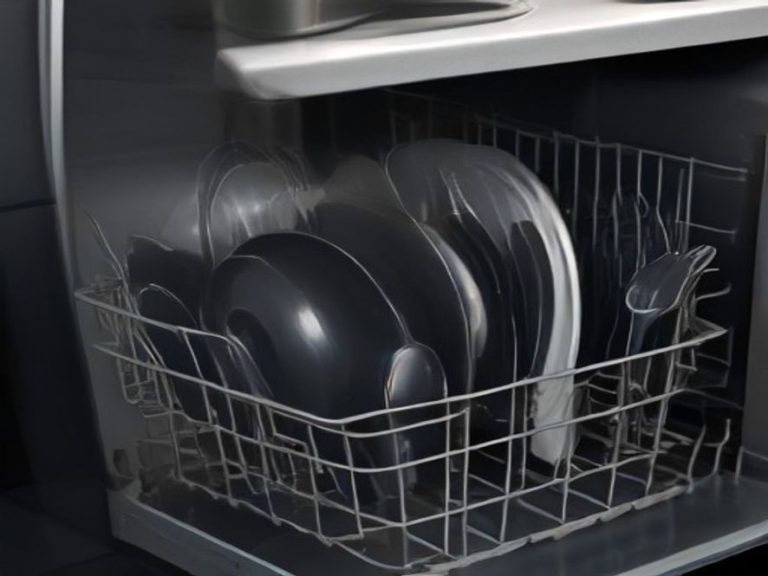
Check your owner’s manual first. Many glass shelves are dishwasher-safe, but some manufacturers advise against it to prevent damage .
2. Why do my shelves look cloudy after washing?
Either you left soap residue, or hard water minerals dried on the glass. Rinse thoroughly and dry with a microfiber cloth to fix both issues .
3. How often should I clean refrigerator shelves?
Every 1–2 months, or more frequently if spills happen or you notice smells .
4. Can I use glass cleaner on refrigerator shelves?
Yes, standard glass cleaners are safe for glass shelves. Spray and wipe with a soft, lint-free cloth for best results .
5. How do I prevent spills from happening?
Use containers with secure lids, organize items to avoid overcrowding, and wipe up spills immediately before they dry and become stubborn .
Which part of your refrigerator is the hardest to keep clean? Share your thoughts in the comments!
References
Expert cleaning guides and manufacturer recommendations for streak-free refrigerator maintenance: