How to Clean Refrigerator Drawers With Stuck-On Food and Spills
That sticky residue at the bottom of your crisper drawer isn’t just annoying—it’s a breeding ground for bacteria and a magnet for unpleasant odors.
TL;DR
The secret to cleaning stubborn refrigerator drawers is simple: remove them, soak in warm soapy water, and use gentle tools like soft sponges and baking soda paste for tough spots. Focus on cleaning the drawer tracks too—that’s where spills hide and cause sticking. Never use bleach or harsh chemicals anywhere near your fridge, and always dry everything completely before putting it back.
Key Takeaways
- Remove drawers completely to access hidden gunk behind them and clean the slide tracks
- Soak in warm, soapy water to loosen stuck-on food instead of scrubbing aggressively
- Use baking soda paste for stubborn stains—it’s effective and food-safe
- Never use bleach on refrigerator parts—food can absorb toxic residues
- Clean drawer tracks thoroughly—debris here causes sticking and squeaking
- Let everything dry fully before reassembling to prevent mold and odors
Why Refrigerator Drawers Get So Gross
Refrigerator drawers, especially crisper bins, take a beating. Fruits and vegetables release moisture, spills happen, and sticky liquids like juice or salad dressing creep into every corner . Over time, this buildup creates not just a mess but also the perfect environment for bacteria and mold.
The worst part? Food and liquid often seep behind the drawers and into the slide tracks . That’s what causes those drawers to stick or become hard to open and close . According to Whirlpool’s kitchen brand manager, Bree Lemmen, “spillovers inside the refrigerator may get into the slide control of the crisper bins or shelves and ultimately cause them to stick” .
What You’ll Need
Here’s your cleaning toolkit for this job:
- Warm water—hot water can crack cold glass shelves, so let them warm to room temperature first
- Mild dish soap—a gentle, grease-cutting formula works best
- Baking soda—for tackling stubborn, baked-on stains
- White vinegar—for deodorizing and extra cleaning power
- Soft sponge or microfiber cloth—avoid abrasive scrubbers that scratch plastic
- Soft-bristled brush—an old toothbrush works great for tight corners
- Plastic scraper or putty knife—for gently lifting stuck-on residue without scratching
- Clean towels—for drying everything thoroughly
Safety reminder: Never use bleach, ammonia, or harsh chemical cleaners anywhere in your refrigerator. Food can absorb these toxins, and they can damage plastic surfaces .
Step-by-Step Cleaning Guide
Step 1: Empty the Drawers
Remove all food items from the drawers you’re cleaning. This is also a great opportunity to check expiration dates and toss anything that’s past its prime.
Step 2: Remove the Drawers Completely
Carefully pull out each drawer. Check your owner’s manual if you’re unsure how—some drawers have release tabs or need to be lifted at a certain angle . For bottom freezers with stubborn stuck drawers, never force them open, as this can crack plastic tracks .
Step 3: Check the Drawer Tracks
Inspect the rails or tracks where the drawer slides in and out. LG’s support team notes that “drawers may be hard to open or close if food or other debris is stuck between them” . Clean these areas thoroughly with a damp cloth to remove any sticky residue .
Step 4: Soak the Drawers
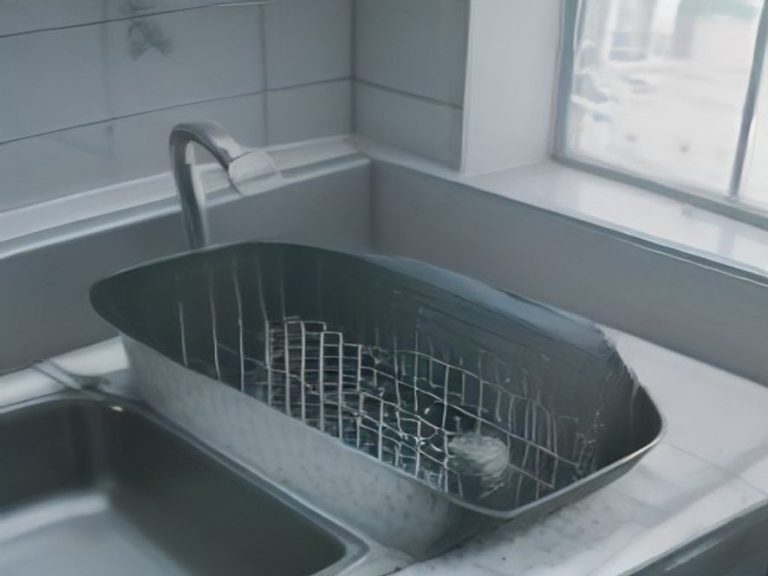
Fill your sink or a large basin with warm water and a good squirt of mild dish soap. Submerge the drawers and let them soak for 10-15 minutes. The warm, soapy water will soften stuck-on food and make it much easier to remove .
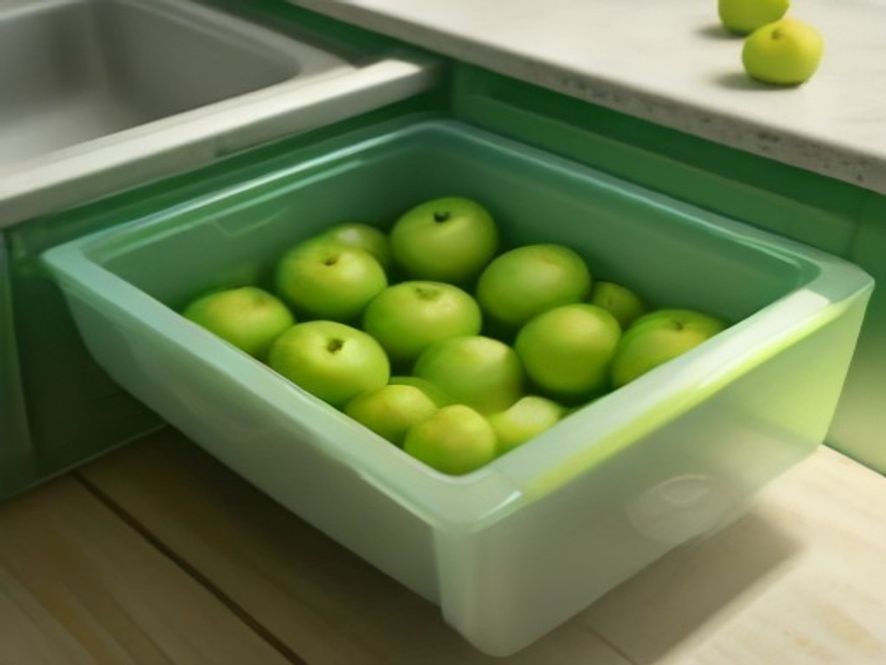
Pro tip: If your drawers don’t fit in the sink, try filling a cooler or large plastic container instead .
Step 5: Scrub Gently
After soaking, use a soft sponge or microfiber cloth to wipe away the loosened food and spills. For corners and seams where slimy buildup collects, use a soft-bristled brush like an old toothbrush .
Step 6: Tackle Stubborn Stains
For stuck-on residue that won’t budge, make a paste of baking soda and water. Apply it directly to the stain, let it sit for a few minutes, then scrub gently with the soft side of a sponge . The abrasive texture of the baking soda breaks down tough stains without scratching the plastic surface .
Step 7: For Ultra-Stubborn Stains
If you’re still dealing with sticky spots after baking soda, a small amount of white toothpaste (not gel) can help. Apply a small dab to the stain, scrub with a damp sponge, and rinse thoroughly . Toothpaste’s mild abrasives work well on stubborn marks, but keep it away from colored plastics that might stain .
Step 8: Rinse Thoroughly
Rinse every piece completely with clean, warm water to remove all soap and baking soda residue. Soap residue left behind will feel sticky once the drawers are back in the fridge .
Step 9: Dry Completely
This step is crucial. Let the drawers air dry completely or wipe them dry with clean towels. Putting damp drawers back into the fridge can lead to mold growth and unpleasant odors .
Step 10: Clean Behind the Drawers
Before reinstalling, wipe down the empty space inside the refrigerator where the drawers sit. Use warm, soapy water or a 1:1 vinegar and water solution on a cloth to remove spills and odors from the area .
Step 11: Reassemble
Once everything is completely dry, slide the drawers back into place on their tracks. They should glide smoothly. If they still stick, double-check the tracks for any remaining debris or misalignment .
Natural Cleaning Solutions for Refrigerator Drawers
| Solution | How to Use | Best For |
|---|---|---|
| Mild dish soap + warm water | Soak and scrub with a soft sponge | Everyday cleaning, most spills |
| Baking soda paste | Mix with water, apply to stains, scrub | Stubborn, baked-on food |
| White vinegar + water (1:1) | Wipe surfaces with solution | Deodorizing and disinfecting |
| Baking soda + water spray | 2 tablespoons baking soda in 4 cups warm water | General interior wipe-down |
| White toothpaste | Small amount on stain, scrub, rinse | Ultra-tough stains |
How Often Should You Clean Refrigerator Drawers?
Whirlpool recommends cleaning the interior surfaces “once a month… to keep the fridge sanitary” . For the space behind the drawers specifically, aim for every three months to prevent grime from accumulating to an alarming degree .
A good habit is to give your fridge a quick wipe-down whenever you do a grocery run—it takes just a few minutes and prevents major messes later.
FAQ: Refrigerator Drawer Cleaning Questions
1. Can I put my refrigerator drawers in the dishwasher?
Some models have dishwasher-safe parts, but always check your owner’s manual first. If unsure, hand wash with warm soapy water to avoid damage .
2. Why do my refrigerator drawers stick after cleaning?
You likely left soap residue behind or didn’t dry them completely. Rinse thoroughly and dry fully before reinstalling . Also check the slide tracks for leftover debris .
3. Can I use bleach to clean refrigerator drawers?
Never use bleach inside your refrigerator. Food can absorb the toxins, and bleach can damage plastic surfaces .
4. How do I get bad smells out of refrigerator drawers?
Clean thoroughly with a vinegar and water solution, then place an open box of baking soda in the drawer to absorb lingering odors .
5. Why are my crisper drawers always slimy?
Moisture from fruits and vegetables combines with organic matter to create a slimy film. Clean them monthly and consider using drawer liners to protect the surface .
Which part of your refrigerator gives you the most trouble when cleaning? Share your experience or biggest fridge struggle in the comments!
References
Expert refrigerator cleaning guides and manufacturer recommendations for safe appliance care: