How to Clean Gas Stove Burner Holes Without Blocking Them
You turn on the burner, and instead of a nice, even blue flame, you get a weak, lopsided flicker—and you know something’s clogged.
TL;DR
The secret to cleaning burner holes safely is to use a wooden toothpick, not a metal pin or wire. Metal tools can scratch and widen the holes, which changes the gas flow and can create a fire hazard . Soak the burner heads in warm, soapy water for 20–30 minutes, scrub gently with a soft brush like a toothbrush, and carefully clear each hole with a toothpick . Never put wet parts back on the stove—dry everything completely before reassembling .
Key Takeaways
- Use a wooden toothpick to clear clogged holes. Metal pins or wires can widen the ports, causing permanent damage .
- Soak before you scrub. A 20–30 minute soak in hot, soapy water loosens grease and food so you don’t have to scrape hard .
- Never use steel wool or abrasive cleaners—they scratch the metal and can damage the burner surface .
- Dry completely before reassembling. Moisture left in the burner holes causes ignition problems .
- Clean weekly if you cook often. Regular maintenance prevents buildup from hardening into stubborn clogs .
Why Burner Holes Get Clogged
Every time you cook, oil splatters and food particles find their way onto your burner heads. Over time, heat bakes this residue onto the metal, and bits of food can fall into the tiny holes where gas flows through . When a port gets blocked, the gas can’t escape evenly, which leads to:
- Weak or lopsided flames
- Uneven heating that can burn or undercook your food
- Yellow flame tips or soot, which can indicate incomplete combustion
- Delayed ignition or a burner that won’t light at all
Step-by-Step Guide to Cleaning Burner Holes
What You’ll Need
- Warm water and mild dish soap (a degreaser like Dawn works well)
- Baking soda (optional—it helps lift stubborn grease)
- Wooden toothpicks—this is your main tool for clearing holes
- Soft-bristled brush (an old toothbrush works perfectly)
- Microfiber cloth for drying and wiping surfaces
- Large bowl or basin for soaking
Important: Some experts warn that toothpicks can break off inside the port, so work carefully and use a sturdy one .
Step 1: Turn Off and Cool Down
Make sure the gas supply is off and the stove is completely cool before you start . You should never clean a hot burner—it’s a burn risk, and cleaning solutions can create dangerous fumes on hot surfaces .
Step 2: Remove the Parts
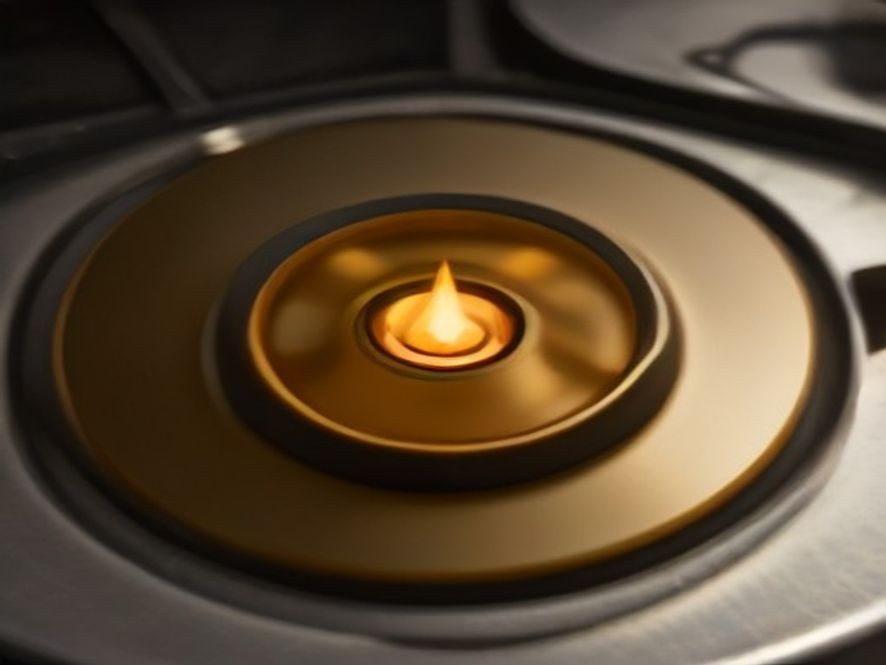
Lift off the grates and set them aside. Then remove the burner caps and the burner heads . Burner heads usually lift right off, but if they resist, check your manual before forcing anything . You want to clean three separate pieces: the burner cap (the flat disc on top), the burner head (the ring-shaped piece with the holes), and the base area on the stovetop itself.
Step 3: Soak the Burner Parts
Place the burner heads and caps in a bowl of warm water with a generous squirt of dish soap. Let them soak for 20 to 30 minutes . For extra degreasing power, add ½ cup of baking soda to the water .
The soak does most of the work—it softens burned-on food and grease so you don’t have to scrub hard and risk damage .
Step 4: Scrub Gently
After soaking, use a soft-bristled brush (like a toothbrush) to scrub away loosened debris from the burner surfaces . Pay attention to the edges and underside where grease tends to accumulate .
Never use steel wool or metal scrubbers—they scratch the metal and can damage the burner’s finish .
Step 5: Clear the Holes with a Toothpick
This is the critical step. Take a wooden toothpick and gently insert it into each burner hole to push out any remaining debris .
Important: Do not use a metal pin, paperclip, or wire for this. Appliance experts warn that metal tools can scratch and widen the holes, which changes the gas-to-air ratio and can cause uneven flames or create a safety hazard . Soft brushes are recommended for this reason .
For the ignition port (the small hole near the igniter), a toothpick works well too .
Step 6: Rinse and Dry Completely
Rinse the burner parts with clean water to remove any soap or debris . Then pat them dry with a towel and let them air dry completely .
Never put a wet burner back on the stove. Moisture trapped inside the holes can prevent ignition or cause sputtering flames .
Step 7: Clean the Stovetop Base
While the burner parts are drying, wipe down the stovetop surface. Use a damp cloth with a little dish soap or a vinegar-water solution . Pay attention to the area around the burner base where crumbs and grease collect .
Step 8: Reassemble and Test
Once everything is completely dry, put the burner head back in place, then set the cap on top . Make sure the cap is sitting flat and centered—if it’s misaligned, the gas will be dispensed unevenly . Turn on the burner and check the flame—it should be steady, even, and mostly blue .
Comparison Table: What to Use for Burner Holes
| Tool | Safety | Effectiveness | Risk |
|---|---|---|---|
| Wooden Toothpick | Safe for burner holes | Good for clearing clogs | May break off if too thin |
| Soft Brush (toothbrush) | Very safe | Good for surface debris and light clogs | Won’t clear deep blockages |
| Paperclip | Not recommended | Will clear clogs | Can scratch and widen holes |
| Metal Pin/Wire | Not recommended | Will clear clogs | Can widen holes, causing gas flow issues |
Prevention: Keep Burners Cleaner Longer
- Wipe spills immediately once the burner is cool. Fresh spills wipe away easily; baked-on spills become hard clogs .
- Clean the burner heads weekly if you cook often. Regular maintenance prevents buildup from turning into stubborn clogs .
- Use the right pan size. A pan that’s too small allows flames to lick up the sides and deposit food residue on the burner .
- Be extra careful with sugary sauces. Sugary spills are the worst offenders—they harden into a glue-like substance that can seal ports shut .
FAQ: Gas Stove Burner Cleaning Questions
1. Can I use a paperclip to clean gas stove burner holes?
Not recommended. Metal tools can scratch and widen the holes, which changes the gas flow and creates a safety hazard. Use a wooden toothpick instead .
2. How do I know if my burner holes are clogged?
Look for weak, lopsided, or yellow flames. You may also notice uneven heating or a burner that takes longer to ignite than usual .
3. What happens if I put a wet burner back on the stove?
Moisture trapped in the holes can prevent ignition or cause the flame to sputter and burn unevenly .
4. Can I put burner heads in the dishwasher?
Experts advise against it. Dishwasher detergents can be too harsh for burner materials, and the water pressure can damage delicate parts .
5. What if a toothpick breaks off inside the hole?
Be careful to use a sturdy toothpick. If one breaks off inside a burner port, it’s difficult to remove and may require professional help .
Which gas stove cleaning problem drives you craziest—uneven flames, yellow tips, or burners that won’t light? Share your experience in the comments!
References
Expert gas stove maintenance guides and manufacturer recommendations for safe burner cleaning: