Why Is Water Leaking From the Kitchen Sink Overflow? A Complete Fix Guide
You fill the sink to wash a big stockpot, and then you see it—water dripping into the cabinet from a place you didn’t even know could leak. The overflow channel is the culprit.
An overflow leak is tricky because water travels through a hidden cavity inside the sink. But once you understand how it works, fixing it is straightforward. This guide shows you the most common causes and the best way to stop the leak for good.
TL;DR
A leaking overflow is usually caused by a loose connection, a worn O-ring or gasket where the overflow tube meets the drain, or a crack in the overflow pipe itself . It can also happen if the internal overflow passage inside a porcelain sink was poorly sealed at the factory . The fix involves drying everything, identifying the exact leak point, and either tightening connections, replacing the gasket, or applying silicone sealant. If the sink itself is defective, replacement may be the only option.
Key Takeaways
- The overflow is a hidden passage: It channels water from the opening near the rim down to the drain pipe. If any seal in that path fails, water drips into your cabinet.
- The overflow connection is often the problem: A loose pipe, a cracked O-ring, or a worn gasket at the joint between the overflow tube and the main drain is the most common cause .
- Silicone is your friend: Plumbers often use silicone sealant on the overflow connections to create a watertight seal .
- Don’t ignore dampness: Even a small leak can rot your cabinet and encourage mold growth .
- Sometimes the sink itself is defective: In rare cases, the internal overflow tunnel in a porcelain sink wasn’t sealed at the factory, causing water to leak through weep holes .
Understanding Your Sink’s Overflow System
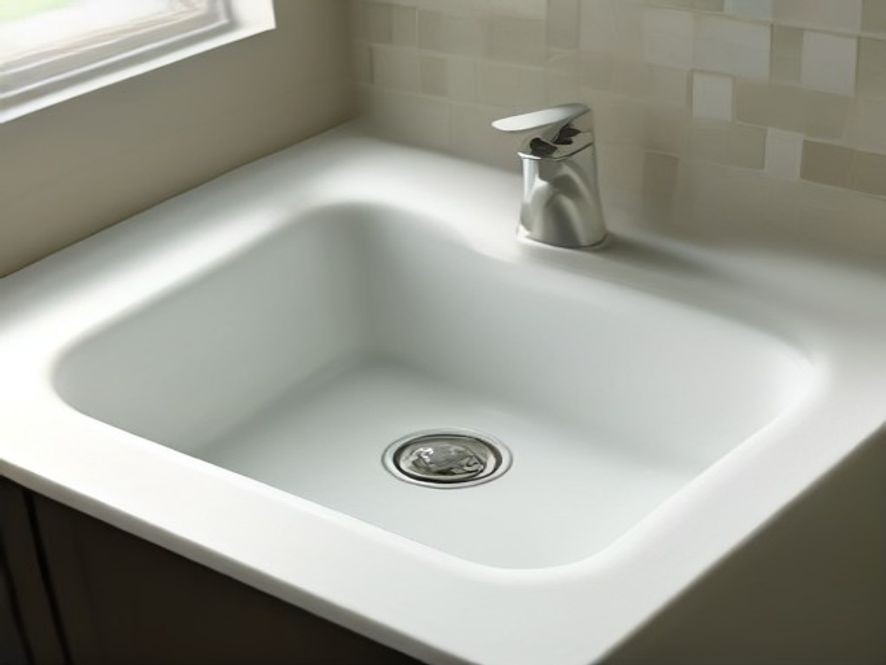
The overflow is the small opening near the top of your sink bowl, usually on the side facing the back. Its job is simple: if you accidentally leave the water running with the plug in, the overflow channels excess water down the drain instead of onto your floor . This is an old but clever design found in kitchen sinks, bathroom basins, and baths.
The water travels through a hidden tunnel built into the sink or through a flexible hose, and it connects to the main drain pipe just below the sink. When any part of this hidden pathway fails, you get a leak under the sink .
Why the Overflow Leaks: The Main Culprits
Loose or Cracked Overflow Tube Connection
The most common cause is a loose connection or a cracked tube where the overflow meets the drain assembly . Many overflow connections use a simple O-ring to seal the joint. Over time, the rubber can shrink or crack, allowing water to escape when the sink is full . A small drip here can rot your cabinet base, so don’t ignore it .
Worn-Out Gasket at the Drain Junction
The overflow tube connects to the main drain pipe, often right near the sink strainer. A rubber gasket or O-ring at this junction is what keeps water flowing down the pipe instead of into the cabinet . When this seal gets old and hard, it can’t do its job .
Defective Sink Casting (Porcelain Sinks)
This is a less common but possible problem. Some porcelain sinks have a hollow “jacket” between the bowl and the outside. The overflow water travels through this hollow space. If the factory didn’t properly seal the internal tunnel, water can leak into the sink’s body and then out through small “weep” holes . If this is the case, the leak will only happen when water runs into the overflow opening itself.
A Clog in the Drain Causing Backflow
A partial blockage in your drain can cause water to back up into the sink. When this happens, the overflow can fill with dirty water that finds its way out through weak seals .
How to Fix a Leaking Overflow: Step-by-Step
This repair is usually straightforward and doesn’t require special tools. Always unplug appliances before cleaning or repairing them, but for this repair, you don’t need to turn off the water supply since you’re working on the drain side.
Tools and Materials You’ll Need:
- Flashlight
- Dry towels or rags
- Bucket
- Adjustable wrench or pliers
- Replacement O-ring or gasket (if needed)
- 100% silicone sealant
Step 1: Find the Exact Leak Source
This is the most important step. A leak from the overflow can be hard to spot because the water travels through hidden channels .
- Remove everything from under the sink and dry the entire cabinet base and back wall completely.
- Place a clean, dry paper towel directly under the overflow tube connection and another where the tube meets the main drain.
- Fill the sink to just below the overflow opening. Let a small amount of water flow into the overflow channel .
- Shine a flashlight under the sink and watch closely. The first wet spot on your paper towels tells you exactly where the leak originates.
If the leak is at the overflow tube connection itself, you’ll see water dripping from the tube or the joint. If water appears higher up, around the sink basin, the problem may be the sink casting itself.
Step 2: Tighten Connections and Inspect the O-Ring
If the leak is at the overflow pipe connection:
- Gently tighten any visible slip nuts or screws holding the overflow tube in place. Be careful not to overtighten—plastic parts can crack.
- If the leak persists, disconnect the overflow tube from the drain assembly.
- Inspect the O-ring or gasket inside the connection. If it’s cracked, flattened, or feels hard, it’s time to replace it . Take the old one to the hardware store to match the size.
Step 3: Apply Silicone Sealant
This is a professional trick that often solves the problem .
- If you can’t find a replacement O-ring, or if the connection is still leaking after replacement, apply a thin bead of 100% silicone sealant around the threaded area or the gasket before reassembling.
- Reattach the tube and tighten it snugly.
- Let the silicone cure according to the manufacturer’s instructions (usually a few hours) before testing.
Step 4: Test the Sink Casting (Porcelain Sinks Only)
If water drips from small holes at the back of the sink when you test the overflow, the internal tunnel might be defective .
- Plug the sink drain.
- Fill the sink with water and let it run directly into the overflow opening.
- If water immediately pours out of weep holes on the underside, the internal overflow channel is cracked or wasn’t sealed at the factory . Do not plug these weep holes—it can trap stagnant water inside the sink, leading to mold or even porcelain failure . In this case, the sink itself needs to be replaced.
Simple Tips to Prevent Future Overflow Leaks
- Inspect under your sink every few months: Look for signs of dampness or corrosion around the overflow tube connection.
- Use silicone when replacing parts: A thin bead of silicone on gaskets and connections is an extra layer of insurance against leaks.
- Don’t ignore slow drains: A slow drain can cause water to back up into the overflow, putting stress on seals .
When to Call a Professional Plumber
This is a DIY-friendly fix, but call a plumber if:
- The leak is from a defective sink casting: Replacing the sink is a major job.
- You can’t access the connection: Some sinks have overflow tubes integrated in a way that’s difficult to reach.
- The leak persists after all DIY attempts: A deeper issue in the drain line might be causing the problem .
“Most kitchen sink overflow leaks come from a simple worn gasket or loose connection. A little silicone and a few minutes of your time are often all it takes to stop the drip.”
Frequently Asked Questions (FAQs)
1. Why is my kitchen sink overflow leaking only when the sink is full?
This happens because water is actively flowing through the overflow channel, putting pressure on any weak seals or connections. If there’s a worn O-ring or cracked tube, the leak will appear during this flow .
2. How do I know if the overflow leak is from the pipe or the sink itself?
Dry everything, then fill the sink and let water run into the overflow opening. If water drips from the overflow pipe connection, the pipe or seal is the problem. If water comes from weep holes on the sink’s underside, the sink casting may be defective .
3. Can a clog cause an overflow leak?
Yes. A partial clog can cause water to back up into the overflow. With standing water in the overflow channel, weak seals can start to drip. This is why clearing slow drains also helps prevent overflow leaks .
4. Can I use plumber’s putty on the overflow connection?
No. Plumber’s putty is for sealing the drain flange to the sink basin. For overflow connections, use silicone sealant for a watertight, flexible seal .
5. Is fixing the overflow connection hard?
Not usually. The overflow tube is often accessible from under the sink. Many repairs involve tightening a screw, replacing a small rubber O-ring, or applying silicone sealant .
References
Trusted Sources for Kitchen Sink Overflow Repairs:
- Home Fixer Guide – Overflow Channel Leaking Inside Cabinet
- Houzz – Sink Leaking Troubleshooting Discussion
- HomeServe – Sink Overflow Pipe Troubleshooting
- Engineer Fix – How to Replace a Kitchen Sink Gasket
Which kitchen problem do you want solved next? Share your thoughts in the comments.