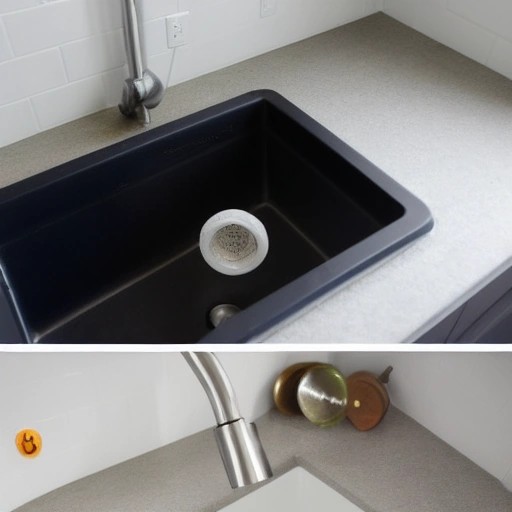
Why Is My Kitchen Pipe Drain Slow? Common Causes and Easy Fixes
You’re standing at the sink, watching water swirl lazily around the drain instead of disappearing like it should—and you know it’s only a matter of time before it stops draining completely.
TL;DR
A slow kitchen drain is usually caused by grease buildup, food scraps, or soap scum narrowing the pipe over time . The good news is most clogs can be fixed in under 30 minutes using simple methods like hot water, a plunger, or cleaning the P-trap. Regular maintenance prevents the problem from returning. If the water still doesn’t drain after trying the basics, you may have a deeper issue like a vent problem or old corroded pipes .
Key Takeaways
- Grease is the #1 culprit—it cools, hardens, and traps food particles inside your pipes .
- Start with simple fixes—hot water, dish soap, and plunging often solve the problem .
- Clean the P-trap—it’s the U-shaped pipe under your sink that catches debris and is easy to remove .
- Avoid chemical drain cleaners—they can damage pipes and are dangerous to handle .
- Prevention is easy—don’t pour grease down the drain and use a sink strainer to catch food scraps .
The Real Causes Behind Slow Kitchen Drains and How to Fix Them
Why Your Kitchen Drain is Slowing Down
A slow drain doesn’t happen overnight. It’s the result of gradual buildup that narrows your pipes over weeks or months . The moment you notice water taking longer to clear is your early warning—and the best time to act before it becomes a full blockage .
Here are the most common reasons your kitchen drain is struggling.
Grease, Oil, and Fat Buildup
This is the number one cause of slow kitchen drains. When you pour cooking oil, bacon grease, or pan drippings down the sink, they’re liquid when hot. But as they cool, they harden and stick to pipe walls . Over time, this greasy film traps food particles, soap scum, and debris, gradually closing off the pipe until water struggles to pass .
“Small amounts of grease added over weeks or months create a narrowing that eventually causes water to back up.”
Food Scraps and Coffee Grounds
Even with a garbage disposal, bits of food, pasta, rice, and coffee grounds can slip through. These particles swell with water and combine with grease to form a thick sludge that blocks your pipes . Coffee grounds are especially problematic because they don’t break down easily and can create a coarse, sticky paste .
Soap Scum and Mineral Buildup
When soap mixes with minerals in your water, it creates a sticky residue that builds up on pipe walls. This residue catches debris and narrows the opening over time . Regular cleaning helps keep scum from accumulating in the first place.
A Clogged or Dirty P-Trap
The P-trap is the U-shaped pipe under your sink. It holds water to prevent sewer gases from entering your home—but it also catches debris, grease, and food scraps . When the trap fills up, water drains slowly or stops completely.
Venting Issues
If your sink gurgles, or water drains slowly after you use other fixtures, you might have a clogged vent pipe. Vents let air into the plumbing system, allowing water to flow freely. Bird nests, leaves, ice, or a faulty air admittance valve can block the vent, creating negative pressure that slows drainage .
Old, Corroded Pipes
In older homes with galvanized steel pipes, rust and corrosion build up inside the pipe walls over decades. The opening narrows until water barely trickles through . Replacing these pipes is often the only permanent solution .
Step-by-Step Fix Guide: How to Unclog a Slow Kitchen Drain
Start with the simplest solutions and move to more advanced steps if needed .
Step 1: Run Hot Water with Dish Soap
- Turn on the hottest tap water and let it run for 1–2 minutes.
- Squirt a generous amount of dish soap down the drain to help break up grease .
- Avoid boiling water if you have PVC pipes—it can warp them . Use hot tap water instead.
Step 2: Use a Plunger
- For double sinks, block the other drain with a wet cloth to create suction .
- Fill the sink with enough water to cover the plunger cup.
- Plunge firmly for 15–30 seconds, then check if water drains faster .
Step 3: Remove and Clean the P-Trap
This is one of the most effective DIY fixes .
- Place a bucket under the trap to catch water and debris .
- Loosen the slip nuts (hand-tighten or use pliers gently) and remove the U-shaped pipe .
- Clean out the trap with a brush or old toothbrush—expect a mess .
- Reassemble and test the drain. Make sure connections are tight to prevent leaks .
Step 4: Try an Enzyme Drain Cleaner
If the trap is clean but water still drains slowly, try organic enzyme-based cleaners. These contain bacteria that digest organic material like grease and food particles . They take longer to work—often overnight—but are safe for pipes and septic systems .
Step 5: Use a Drain Snake or Auger
For deeper clogs beyond the P-trap:
- Feed a hand auger or drain snake into the drain pipe .
- Gently crank it to break up or pull out the blockage .
- Work slowly to avoid damaging older pipes .
Step 6: Call a Professional
If you’ve tried these steps and water still drains slowly, or you notice:
- Multiple drains are slow at the same time
- A sewage smell or gurgling noises
- Water backing up into other fixtures
…it’s time to call a licensed plumber. These are signs of a main line blockage or venting problem that needs professional equipment .
Comparison Table: Drain Fix Methods at a Glance
| Method | Best For | Effectiveness | Difficulty | Cost |
|---|---|---|---|---|
| Hot water + soap | Light grease buildup | Low–Medium | Very Easy | Free |
| Plunger | Surface clogs, soft blockages | Medium | Easy | Free–$10 |
| Clean P-trap | Visible debris in trap | High | Easy | Free |
| Enzyme cleaner | Grease, organic buildup | High (with time) | Easy | $10–$20 |
| Drain snake/auger | Deep clogs, stubborn blockages | High | Moderate | $15–$40 |
| Professional plumber | Corroded pipes, vent issues, main line | Very High | N/A | $100–$300+ |
What NOT to Do
- Don’t pour grease down the drain—collect it in a jar and throw it in the trash .
- Avoid harsh chemical drain cleaners—they can damage PVC pipes, harm your skin, and create dangerous fumes if mixed .
- Never mix different cleaners (like bleach and ammonia)—it creates toxic gases .
- Don’t force a drain snake if you hit resistance—you could damage pipes .
Prevention Tips
“Most kitchen problems come from small maintenance habits that are often ignored.”
Prevent future slow drains with these simple habits:
- Install a sink strainer to catch food scraps and coffee grounds .
- Wipe greasy pans with a paper towel before washing .
- Run hot water for 30 seconds after each use to flush away residue .
- Flush drains monthly with baking soda and vinegar, followed by hot water .
- Clean your P-trap every 6–12 months as routine maintenance.
FAQ
Q: Why is my kitchen sink draining slowly all of a sudden?
A: A sudden slowdown usually means a partial clog from grease, food debris, or soap scum has finally narrowed the pipe enough to affect drainage .
Q: How do I fix a slow kitchen sink drain?
A: Start by running hot water with dish soap, then try a plunger. If that doesn’t work, clean the P-trap under the sink .
Q: Why is my kitchen sink slow only in the morning?
A: Grease and fats cool and firm up overnight, making the blockage more restrictive until warm water softens them .
Q: Can I pour boiling water down the drain?
A: Only if you have metal pipes. Boiling water can warp PVC pipes and cause damage .
Q: Are chemical drain cleaners safe to use?
A: They can damage pipes and are dangerous to handle. Try mechanical cleaning or enzyme-based products first .
Q: When should I call a plumber for a slow drain?
A: If multiple fixtures are slow, you smell sewage, or the drain doesn’t improve after cleaning the P-trap and snaking .
Q: How long should a kitchen sink take to drain?
A: Ideally, within a few seconds. If it takes longer than 20–30 seconds, you have a partial clog .
Which kitchen problem do you want solved next? Share your thoughts in the comments.
Practical Kitchen Drain Maintenance and Repair Guide – Trusted Home Improvement Sources: