
How to Find Where a Kitchen Sink Drain Is Leaking: A Simple Step-by-Step Guide
That puddle of water under your kitchen sink can turn a good day into a frustrating one before you’ve even made your morning coffee.
TL;DR
Finding a leaky kitchen sink drain doesn’t have to be complicated. Start by emptying your cabinet and drying everything thoroughly, then run water and look for the drip. Most leaks come from loose connections, worn-out gaskets, or a failing P-trap. With basic tools and a little patience, you can fix many of these problems yourself—saving money and preventing water damage to your kitchen cabinets.
Key Takeaways
- Locate the source first before buying any parts or starting repairs—drying everything and using paper towels helps pinpoint the drip.
- Tighten loose slip nuts carefully—they often fix the problem without any replacement parts.
- Replace worn washers and gaskets when tightening doesn’t work—these rubber parts dry out and crack over time.
- Never overtighten plastic fittings—they can crack, creating a bigger problem than the one you started with.
- Check the P-trap regularly—it’s the most common leak point and often collects debris that can cause issues.
The Real Causes Behind Kitchen Sink Drain Leaks and How to Fix Them
A kitchen sink does a lot of heavy lifting in your home. Between washing dishes, rinsing vegetables, and dumping leftovers, those pipes work hard every single day. Over time, the constant use takes its toll, and leaks start to appear.
“Most kitchen problems come from small maintenance habits that are often ignored.”
The good news is that finding and fixing a leaking kitchen sink drain is usually a straightforward DIY project. You don’t need to be a professional plumber or own fancy tools. Let’s walk through how to track down that drip and fix it for good.
Why Kitchen Sink Drains Leak
Understanding why your kitchen sink is leaking helps you prevent it from happening again. The drain system under your sink has several connection points, and each one is a potential failure spot.
Water can leak from:
- The drain basket where it meets the sink basin
- The slip nuts that connect pipe sections together
- The P-trap (that U-shaped pipe) and its connections
- The garbage disposal mounting ring if you have one
- The tailpiece connecting the drain to the P-trap
Rubber washers and gaskets inside these connections dry out and shrink over time. Regularly checking these connections can prevent small drips from becoming big headaches. Metal pipes can also corrode, and plastic pipes can crack, especially if they’re more than 10 years old.
How to Find Your Kitchen Sink Drain Leak
Finding the exact source of your under sink leak takes a little detective work, but it’s not hard. The key is to be methodical and patient.
What You’ll Need
Before you start, gather these simple items:
- A flashlight (very important)
- Paper towels (white or light-colored work best)
- A bucket or large bowl
- An adjustable wrench or channel-lock pliers
- A dry cloth or towel
Step 1: Clear and Dry Everything
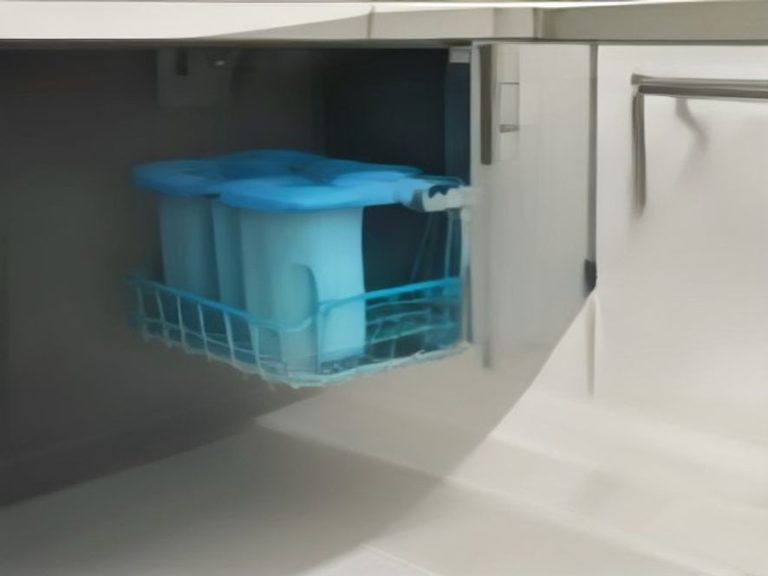
Empty everything out from under the kitchen sink. Remove cleaning supplies, extra dish soap, and anything else stored there. Take out any shelf liners or organizers so you can see the drainpipe clearly.
Always unplug appliances before cleaning or repairing them.
Dry the entire cabinet floor and all the pipes with towels. Make sure there’s no standing water left. This gives you a clean slate so you can spot exactly where the new water comes from.
Step 2: Use the Paper Towel Trick
This simple method is the best way to pinpoint a leak:
- Place dry paper towels under every connection point and fitting
- Position them where each pipe joins another pipe
- Make sure they’re touching the connections directly
Step 3: Run Water and Inspect
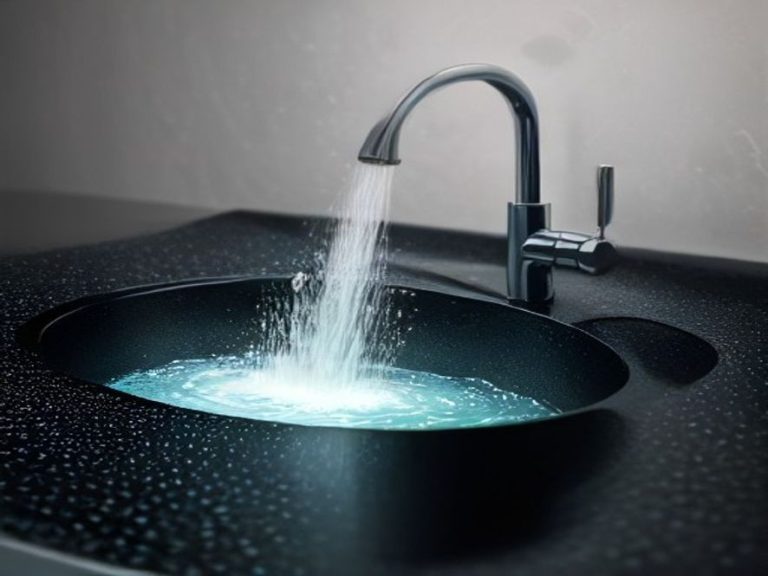
Turn on the faucet and let water run for about 60 seconds. Always unplug appliances before cleaning or repairing them. Then, turn it off and look carefully:
- Check each paper towel for wet spots—the one that’s wet tells you where the leak is
- Use your flashlight to look for tiny drips or moisture on the pipes
- Look for mineral deposits (white crusty buildup) around fittings—this often means a slow, ongoing leak
Pay attention to timing. If water only appears when the sink is draining, the leak is in the drain system. If water appears when you first turn on the faucet, it could be the supply lines.
Fixing Common Kitchen Sink Drain Leaks
Once you’ve found the source, most repairs take just a few minutes. Let’s look at the most common problems and how to fix them.
Fixing Loose Drain Fittings
Loose slip nuts are the number one cause of under sink leaks. These are the large plastic nuts that connect different sections of drainpipe. They can work themselves loose over time from vibration or from the pipes shifting slightly.
How to fix it:
- Locate the slip nut that’s leaking
- Using your pliers or wrench, gently tighten it clockwise
- Do not overtighten—plastic fittings can crack
- Run water again and check if the leak stopped
Fixing a Loose Basket Strainer
The basket strainer is the metal drain assembly you see in the bottom of your kitchen sink. If it’s loose, water can leak around it when the sink is full.
How to fix it:
- Look underneath the sink for a large nut securing the basket strainer
- Tighten this nut with larger pliers or a pipe wrench
- If tightening doesn’t work, the plumber’s putty around the strainer may have failed
Replacing Worn Washers and Gaskets
The rubber washers inside slip nuts wear out and crack over time. If tightening doesn’t stop a P-trap leak, you likely need new washers.
How to fix it:
- Place a bucket under the P-trap to catch water
- Loosen the slip nuts on both sides
- Carefully remove the P-trap
- Inspect the washers—if they’re flattened, cracked, or missing, replace them
- Clean the pipe ends
- Install new washers and reassemble
- Tighten by hand first, then a quarter-turn with pliers
Fixing a Cracked P-Trap
If your P-trap is cracked (common in plastic pipes) or corroded (common in metal), you’ll need to replace the whole unit.
How to fix it:
- Place a bucket under the P-trap
- Loosen the slip nuts connecting it to the wall pipe and the tailpiece
- Remove the old P-trap
- Assemble the new P-trap with its included washers
- Connect it and tighten the slip nuts carefully
When to Call a Professional
While many kitchen sink leaks are easy DIY fixes, some problems need a plumber’s expertise. Consider calling a professional if:
- You see cracks in the sink basin or drainpipe
- The leak persists despite your best efforts
- Pipes are corroded and need full replacement
- You find water damage to cabinets or countertops
- Multiple leaks are happening at once
Calling a plumber early can save you from more expensive water damage repairs later.
Prevention Tips: Keep Your Kitchen Sink Leak-Free
A little kitchen maintenance goes a long way. Here’s how to keep your kitchen sink in good shape:
- Don’t overtighten connections—it can crack washers and fittings
- Avoid pouring grease down the drain—it hardens and creates clogs that stress your pipes
- Use a drain strainer to catch food scraps
- Check under the sink periodically for early signs of moisture or leaks
- Don’t hang heavy items from the faucet—this puts stress on the connections
Regular cleaning prevents grease buildup and bad odors.
FAQ Section
Why does my kitchen sink drain leak?
Most leaks come from loose connections, worn-out rubber washers, or a damaged P-trap.
How do I know where the leak is coming from?
Dry everything under the sink, place paper towels under each connection, run water for a minute, and check which towel gets wet first.
What tools do I need to fix a leaking sink drain?
You’ll need an adjustable wrench or channel-lock pliers, a bucket, towels, and replacement washers if needed.
Can I use regular tape on pipe threads?
No, always use plumber’s tape for threaded plumbing connections.
Should I tighten the slip nuts as much as possible?
No, tighten them by hand and then give a quarter-turn with pliers—overtightening can crack plastic fittings.
Why is the P-trap so important?
The P-trap holds water to seal out sewer gases from your home, and it often collects debris that can cause clogs.
When should I call a plumber instead of fixing it myself?
Call a plumber if you have cracked pipes, the leak persists after repairs, or you see water damage to cabinets.
Which kitchen problem do you want solved next? Share your thoughts in the comments.
Practical Kitchen Maintenance Resources for Home Repairs and Troubleshooting: