Musty Kitchen Smell: How to Find the Source and Fix It for Good
That damp, earthy smell in your kitchen is more than just unpleasant—it’s a sign that something isn’t right, and ignoring it won’t make it go away.
You know the smell. It’s that distinctive, slightly stale odor that hits you when you walk in. It’s not quite rotten food, not quite garbage, but something in between—like wet basement air or old books. It’s a musty smell, and it’s one of the most frustrating kitchen odors to deal with because it often seems to come from nowhere.
Here’s the thing about musty smells: they almost always mean moisture and mold or mildew. Unlike cooking odors that fade, musty smells are produced by living organisms that continue to grow as long as conditions are right. This guide will help you understand what causes musty kitchen smells, how to find the source, and how to eliminate it permanently.
TL;DR
- Musty smells are caused by mold, mildew, or bacteria growing in damp areas
- Hidden moisture is almost always the root cause—find the water, find the source
- Common hiding spots include under the sink, behind appliances, and inside cabinets
- Ventilation and reducing humidity are key to long-term prevention
- Kill mold with a bleach solution, but fix the moisture problem first
- Musty smells can affect your health—don’t ignore them
Key Takeaways
- Musty smells mean mold or mildew is present somewhere in your kitchen
- Moisture is the underlying cause—find and fix any leaks or dampness
- Check under sinks, behind refrigerators, around dishwashers, and in pantry corners
- Poor ventilation allows moisture to build up and mold to grow
- Act quickly—mold spreads and can cause health issues
- A dehumidifier can help prevent musty smells from returning
What Exactly Is a Musty Smell?
Before we dive into finding the source, let’s understand what we’re dealing with.
A musty smell is caused by microbial volatile organic compounds (MVOCs) . These are gases released by mold and bacteria as they grow and break down organic materials. The smell is often described as:
- Earthy, like soil or damp basement
- Stale, like old books or cardboard
- Slightly sweet but unpleasant
- Damp or wet
The key thing to understand is that if you smell mustiness, mold or mildew is actively growing somewhere. And where there’s mold, there’s moisture. Your job is to find that moisture source and eliminate it.
Step 1: Why Does My Kitchen Smell Musty? Common Causes
Musty kitchen smells come from moisture problems. Here are the most common culprits:
1. Leaks Under the Sink
The space under your kitchen sink is prime real estate for mold growth. Pipes can have slow, invisible drips that keep the area constantly damp. The cabinet interior absorbs moisture, and mold starts growing on the wood, cardboard boxes, or anything else stored there.
2. Refrigerator Drip Pan Problems
Your refrigerator’s drip pan collects condensation and can become a stagnant water source. If it’s not cleaned regularly, it becomes a breeding ground for mold and bacteria. The smell can spread throughout your kitchen.
3. Dishwasher Leaks and Trapped Moisture
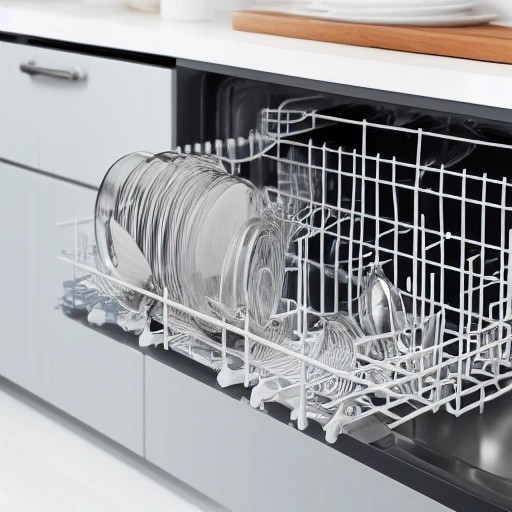
Dishwashers have multiple potential leak points—the door seal, the drain hose, and the supply line. Even a tiny leak can create the damp conditions mold loves. Plus, if you close the dishwasher door immediately after running it, trapped moisture inside can lead to mold growth.
4. Condensation on Cold Pipes
Cold water pipes can sweat, especially in humid conditions. This condensation drips down and creates damp spots on cabinets, floors, and walls. Over time, these damp spots become mold farms.
5. High Humidity
Sometimes there’s no specific leak—the humidity in your kitchen is just too high. Cooking, boiling water, and dishwashers all add moisture to the air. Without proper ventilation, this moisture condenses on surfaces and creates the perfect environment for mold.
6. Poor Ventilation
If your kitchen doesn’t have good airflow, moisture hangs around instead of drying out. Mold needs moisture and time to grow—poor ventilation provides both.
7. Flooding or Water Damage History
If your kitchen has ever flooded or had water damage, the effects can linger. Water can seep into walls, floors, and subfloors, where it stays damp for months.
8. Blocked Gutters or Downspouts
This might seem unrelated, but blocked gutters can force water against your home’s exterior, which can seep into walls and find its way into your kitchen.
Step 2: How to Find the Source of Musty Kitchen Smells
Now that you know what causes musty smells, let’s find where it’s coming from. Use this step-by-step approach:
Step 2A: Use Your Nose Systematically
- Leave the kitchen for 15 minutes to reset your sense of smell.
- Stand in the center of the kitchen and take slow, deep breaths. Note where the smell seems strongest.
- Move to different areas and repeat. The musty smell will be strongest near its source.
- Get down low and sniff near the floor. Some mold smells are heavier than air and settle near the ground.
- Check different heights. Mold in walls can release smells that rise with warm air.
Step 2B: Check Common Moisture Spots
Go through this checklist one by one. Don’t skip any—the source is often where you least expect it.
Under the Kitchen Sink
- Look for signs of moisture—water droplets, stains, or warped cabinet material
- Check the pipes for drips (run your hand along them)
- Examine the floor of the cabinet for dampness or mold growth
- Pull everything out and check the back corners—mold often starts here
Behind the Refrigerator
- Pull the refrigerator away from the wall
- Check the drip pan—is it full? Does it smell musty?
- Look for water stains or mold on the floor
- Check the condensation drain line—is it clogged?
Always unplug appliances before cleaning or repairing them
Around the Dishwasher
- Pull the dishwasher out (get help—it’s heavy)
- Check for water stains or mold on the floor and walls
- Inspect the door seal for mold or mildew
- Check the drain hose connections for leaks
- Look at the filter at the bottom—is it clean?
Inside Cabinets and Pantry
- Open every cabinet and sniff inside
- Check for water damage on cabinet floors and walls
- Look for mold on food items (especially bread, potatoes, and onions)
- Check the corners and back walls—moisture collects here
Behind and Under the Stove
- Pull the stove away from the wall
- Check for spills that never dried
- Look for signs of moisture or mold
Walls and Baseboards
- Look for discoloration or peeling paint
- Check for soft spots in drywall
- Look for gaps where moisture could enter
- Check for mold along the baseboards
Windows and Window Frames
- Check for condensation on windows
- Look for mold growth on window frames and sills
Ceilings
- Look for water stains or discoloration
- Check for peeling paint or wallpaper
- Look for signs of leaks from the floor above
Crawlspaces and Basements
- If you have a crawlspace or basement under your kitchen, check it
- Look for standing water, dampness, or mold
Step 2C: Use Tools to Help
A flashlight is essential for looking into dark corners and behind appliances.
A mirror can help you see behind pipes and into tight spaces.
A moisture meter can detect dampness in walls and floors that you can’t see.
Your hands—feeling for dampness, soft spots, or warmth can reveal problems your eyes miss.
Step 3: How to Fix the Musty Smell Source
Once you’ve found the source, here’s how to fix it:
3A. Fix the Moisture Problem First
Cleaning up mold without fixing the moisture is a waste of time. The mold will just grow back.
For leaks:
- Tighten loose connections
- Replace damaged pipes or fittings
- Call a plumber if you’re not comfortable doing it yourself
For condensation:
- Insulate cold pipes to prevent sweating
- Improve ventilation to reduce humidity
For high humidity:
- Use a dehumidifier in your kitchen
- Run the exhaust fan while cooking
- Open windows to allow cross-ventilation
For blocked gutters:
- Clean gutters and downspouts
- Ensure water drains away from your home’s foundation
For crawlspace moisture:
- Install a vapor barrier
- Improve crawlspace ventilation
- Use a dehumidifier in the crawlspace
3B. Clean and Remove Mold
Once the moisture is fixed, clean up the mold:
For small areas (less than 10 square feet):
- Wear protective gear—gloves, N95 mask, and goggles
- Mix a cleaning solution:
- Bleach solution: 1 part bleach to 10 parts water
- OR vinegar (straight, not diluted)
- OR commercial mold cleaner
- Scrub the affected area with a stiff brush
- Rinse with clean water
- Dry completely—use fans, dehumidifiers, and open windows
For larger areas:
- Call a professional mold remediation specialist
- Attempting to clean large mold areas yourself can spread spores and make the problem worse
3C. Remove Affected Materials
Sometimes mold gets into materials that can’t be cleaned:
- Porous materials (drywall, carpet, ceiling tiles) often need to be removed and replaced
- Wood can sometimes be cleaned and sealed, but severe cases require replacement
- Food items with any mold should be thrown out
Step 4: Preventing Musty Smells from Returning
Once you’ve fixed the problem, take these steps to prevent it from coming back:
4A. Control Moisture
- Fix all leaks immediately—don’t put them off
- Use a dehumidifier in humid months
- Run the exhaust fan while cooking and for 15 minutes after
- Leave the dishwasher door open slightly after a cycle to let moisture escape
- Open cabinets occasionally to let air circulate
- Wipe up spills and condensation promptly
4B. Improve Ventilation
- Open windows regularly, even in winter (10 minutes a day is enough)
- Install or upgrade your range hood to vent outside
- Use a fan to create cross-ventilation
4C. Use Natural Odor Absorbers
- Place activated charcoal or baking soda in cabinets and near potential problem areas
- Change these regularly (at least monthly)
4D. Regular Inspections
- Check under the sink monthly for drips or moisture
- Pull out appliances every few months to check behind them
- Look for signs of mold during your regular kitchen cleaning
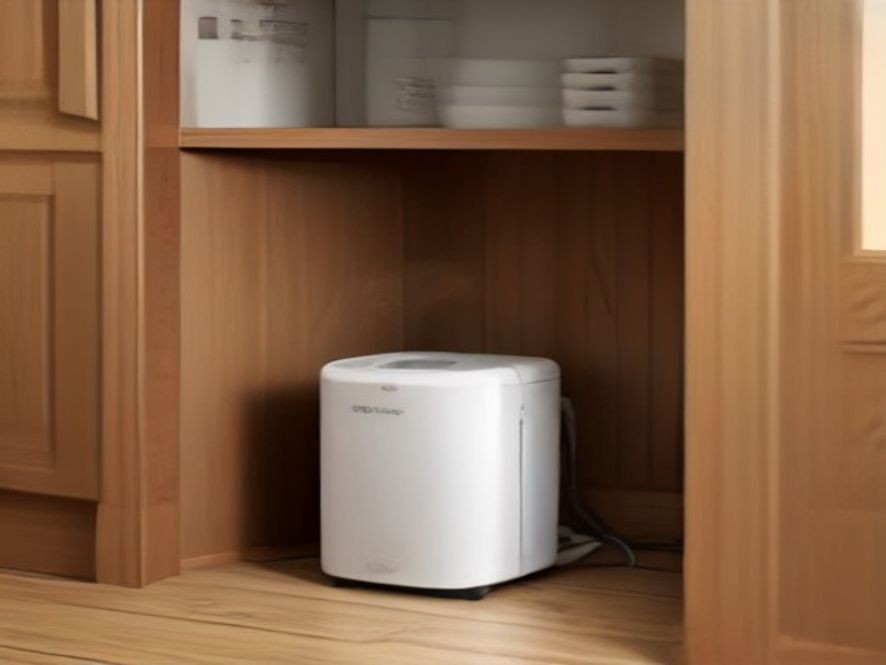
4E. Consider a Dehumidifier
If your kitchen naturally tends to be humid, consider investing in a dehumidifier. Look for one with:
- A built-in humidity sensor
- Auto-shutoff when full
- A drain hose option for continuous operation
- An energy-efficient design
Comparison: Musty Smell Removal Methods
| Method | Best For | Effectiveness | Ease of Use | Cost |
|---|---|---|---|---|
| Bleach solution | Cleaning visible mold | Good for non-porous surfaces | Easy | Low |
| Vinegar | Gentle mold cleaning | Good for small areas | Easy | Low |
| Commercial mold remover | Stubborn mold | Very effective | Easy | Medium |
| Dehumidifier | Preventing future growth | Excellent as prevention | Easy | Medium-High |
| Air purifier with HEPA filter | Removing airborne spores | Good for air quality | Easy | Medium-High |
| Professional remediation | Large or hidden mold | Excellent | Done for you | High |
| Baking soda | Absorbing odors | Good for mild smells | Easy | Low |
| Activated charcoal | Absorbing odors | Very effective | Easy | Medium |
When to Call a Professional
Some musty smell situations require professional help:
Call a Plumber If:
- You have a leak you can’t fix yourself
- You suspect a sewer or plumbing vent issue
- There’s water damage in your walls or ceilings
Call a Mold Remediation Specialist If:
- The mold area is larger than 10 square feet
- You have health issues like allergies or breathing problems
- Mold is in your HVAC system
- You can’t find the source of the moisture
Call a Home Inspector If:
- The musty smell has no obvious source
- You suspect structural issues
- You’re buying or selling a home
Health Concerns and Musty Kitchen Smells
Musty smells aren’t just unpleasant—they can affect your health. Mold exposure can cause:
- Allergic reactions (sneezing, runny nose, red eyes)
- Asthma symptoms (wheezing, difficulty breathing)
- Respiratory infections
- Headaches and fatigue
- Skin irritation (if touched)
If you or your family have these symptoms, take the smell seriously. Don’t wait to address the problem. Some molds produce mycotoxins that can cause more severe reactions in susceptible people.
FAQ: Common Questions About Musty Kitchen Smells
What does a musty smell in the kitchen mean?
It means mold, mildew, or bacteria are growing somewhere in your kitchen due to moisture. Find the moisture source and the smell will disappear.
Where should I look first for a musty smell?
Check under the kitchen sink first. This is the most common source because of pipe leaks and trapped moisture.
Can a musty smell come from the refrigerator?
Yes, the drip pan under the refrigerator collects water and can develop mold, producing a musty odor.
How do I get rid of a musty smell without finding the source?
You can’t. You must find the moisture source and remove it. Masking the smell won’t solve the problem.
Is a musty smell dangerous?
It can be. Mold exposure can cause allergic reactions, breathing problems, and other health issues. Don’t ignore it.
How long does it take for mold to grow and cause a musty smell?
Mold can begin growing within 24-48 hours of moisture exposure, and odors can appear within a few days.
What’s the best product for removing musty smells?
Baking soda or activated charcoal absorbs odors, but you need to remove the mold source first. For cleaning mold, use a bleach solution (1 part bleach to 10 parts water).
Final Thoughts
A musty kitchen smell is a sign that something needs your attention. The cause is almost always moisture, and the solution is almost always finding that moisture and eliminating it.
The good news is that this is a solvable problem. Start by checking the most common spots: under the sink, behind the refrigerator, around the dishwasher, and in your cabinets. Once you find the moisture source and fix it, clean the mold thoroughly and take steps to prevent it from returning.
Don’t ignore the smell. Musty odors mean mold is growing, and mold can affect your health and your home’s structural integrity. The sooner you address it, the easier and cheaper the fix will be.
With these strategies, you can eliminate that musty smell for good and enjoy a fresh, clean kitchen once again.
Which kitchen problem do you want solved next? Share your thoughts in the comments.
Authoritative resources for mold prevention and kitchen maintenance: