Rotten Egg Smell in Kitchen: What It Could Mean and What to Check
That unmistakable sulfur smell in your kitchen is impossible to ignore—and depending on the cause, it could be a simple fix or a serious safety concern.
You’re cooking dinner, washing dishes, or just walking through your kitchen when it hits you. That pungent, unmistakable odor of rotten eggs. Your first thought might be that something spoiled in the fridge. But after checking the obvious spots, the smell is still there. What’s going on?
The “rotten egg” smell is actually hydrogen sulfide gas, and it can come from several different sources in your kitchen . Some are easy to fix yourself. Others require immediate professional attention. This guide will help you identify the cause and take the right action.
TL;DR
- A rotten egg smell can mean bacteria in your drain, a dry P-trap, water heater issues, or dangerous gas leaks
- Gas leaks are a serious safety hazard—leave immediately if you can’t find the source
- Check your drain and garbage disposal first—bacteria buildup is the most common cause
- Hot water only smelling like sulfur usually means your water heater needs attention
- A dry P-trap from unused sinks can let sewer gases escape into your kitchen
Key Takeaways
- Start by checking your kitchen sink and garbage disposal—this is the most common source
- Test if the smell is from hot water only—if so, your water heater is likely the problem
- A gas leak smell is an emergency—call your utility company immediately
- Baking soda and vinegar can clear minor drain odors quickly
- Preventive maintenance of drains and appliances stops odors from returning
The Main Causes of Rotten Egg Smell in Your Kitchen
Let’s break down the possible sources, starting with the most common and moving to the most serious.
1. Bacteria Buildup in Your Sink Drain or Garbage Disposal
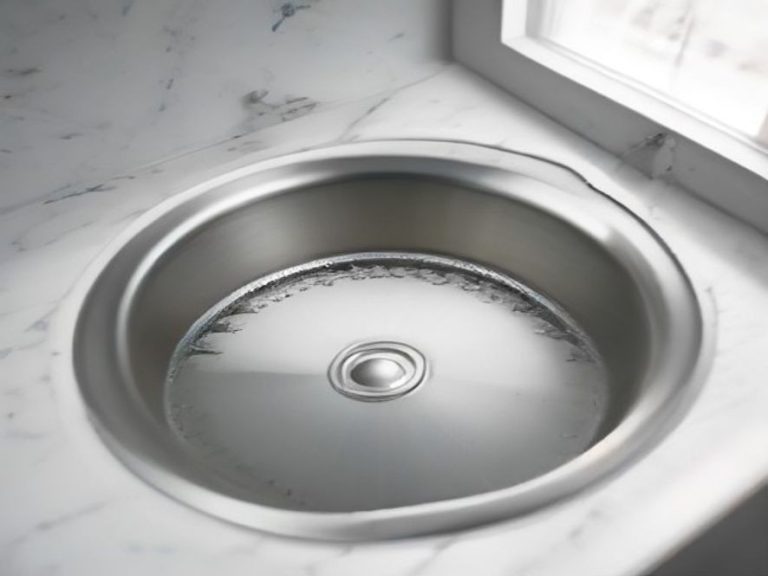
This is by far the most common cause of that rotten egg smell . Here’s what happens: every time you wash dishes, tiny food particles and grease go down your drain. These bits accumulate over time, creating a feeding ground for bacteria. As these bacteria break down the organic matter, they release hydrogen sulfide gas—the same gas that gives rotten eggs their distinctive smell .
How to check: Smell directly near the drain opening. If the odor is strongest there, bacteria in the drain is likely the culprit.
How to fix: You can often clear this up with simple household ingredients:
- Pour ½ cup of baking soda down the drain
- Follow with 1 cup of white vinegar — let it fizz for 10-15 minutes
- Flush with hot water (not boiling, just very hot from the tap)
- Repeat weekly if the smell returns
For garbage disposals, run ice cubes and citrus peels through it regularly to help clean the grinding chamber. Clean the rubber splash guard separately—food particles often get trapped there .
2. The Dry P-Trap Problem
Your sink has a curved pipe called a P-trap that holds water to block sewer gases from backing up into your home. If a sink isn’t used for a while, the water in the trap evaporates. The barrier disappears, and sewer gases—including hydrogen sulfide—can escape into your kitchen .
How to check: Is the smell coming from a sink you rarely use? That’s a strong clue. The smell may be described as “sewage-like” as well as rotten egg .
How to fix: Simply run water down the drain for a few minutes to refill the P-trap. This is also a good practice to do monthly in unused sinks to prevent evaporation .
3. Your Water Heater Is the Problem
If the rotten egg smell is only noticeable when you use hot water, your water heater is likely the source . This happens for two reasons:
The anode rod issue: Most water heaters have a magnesium anode rod that prevents the tank from corroding. But magnesium can react with sulfur in the water to produce hydrogen sulfide gas . Newer water heaters are especially prone to this problem .
Low temperature bacteria growth: If your water heater is set too low (below 120°F), bacteria can thrive in the tank and produce sulfur compounds .
How to check: Fill a glass with hot water and another with cold water from the same sink. Smell them both. If only the hot water smells, your water heater is the culprit .
How to fix:
- Flush your water heater to remove sediment and bacteria
- Raise the water temperature to 140°F for several hours to kill bacteria (then lower it back to a safe level)
- Consider replacing the magnesium anode rod with an aluminum or zinc alloy rod
Important warning: Before raising water temperature, ensure your water heater has a functioning pressure relief valve to prevent accidents .
4. Sewer Gas From Plumbing Issues
A broken or cracked pipe can allow sewer gases to escape into your kitchen. This is less common but more serious than a dry P-trap . In one tragic case, faulty sink plumbing and a broken siphon led to a fatal buildup of hydrogen sulfide gas in a home .
How to check: If the smell persists after you’ve cleaned the drain and refilled the P-trap, you may have a plumbing issue. Other signs include slow drains, gurgling sounds, or visible leaks around pipes .
How to fix: This requires professional attention. Call a plumber to inspect your pipes, check the P-trap, and examine your plumbing vents. They can identify cracks, faulty vents, or other issues that allow sewer gas to enter your home .
5. Natural Gas Leak (Emergency!)
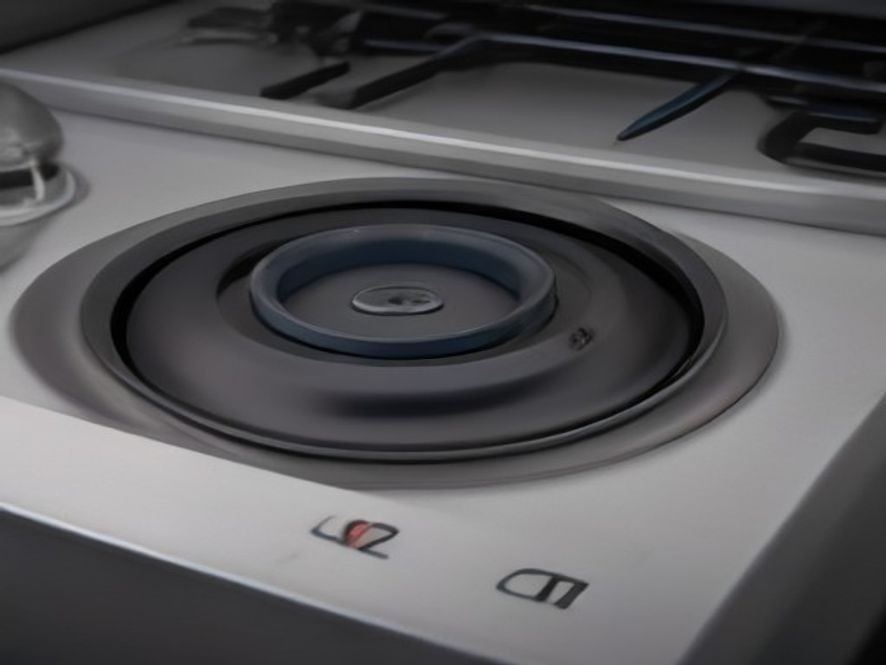
This is the most serious possibility. Natural gas is naturally odorless, but gas companies add a chemical called mercaptan to give it that distinctive rotten egg smell. This is done specifically so you can detect a gas leak quickly .
Warning signs of a gas leak:
- You smell rotten eggs and can’t find a drain or water source causing it
- You hear a hissing or whistling sound near a gas appliance or pipe
- You see dirt blowing in the air, dead plants, or damage to a gas pipeline
If you suspect a gas leak:
- Leave the area immediately
- Don’t use electrical switches, phones, or anything that could create a spark
- Call your gas company from outside using your cell phone or a neighbor’s phone
- Call 911 if you can’t reach your gas company
Do not ignore a rotten egg smell that you can’t identify. It could be a gas leak, and gas leaks are dangerous.
6. Well Water With Natural Hydrogen Sulfide
If you get your water from a private well, hydrogen sulfide can occur naturally in groundwater. It forms from decaying organic matter in underground deposits. In this case, the smell will be present in both hot and cold water and won’t go away even after running the water for a while .
How to check: If the smell is in all your water—hot and cold, from every faucet—and you’re on a well, this could be the cause.
How to fix: Well water with hydrogen sulfide requires specific treatment:
- Shock chlorination can temporarily reduce bacteria
- A specialized water treatment system may be needed for long-term removal
- Professional testing can confirm the problem and recommend solutions
7. Other Less Common Sources
Egg residue in your dishwasher: Believe it or not, leaving dishes with egg residue in your dishwasher can trigger a chemical reaction that produces hydrogen sulfide gas. As egg material breaks down, it releases that characteristic sulfur smell, which can mix with other food residues to create an unpleasant odor .
Tile or grout issues: In some cases, mold or mildew trapped behind tile backsplashes can produce a sulfur-like odor, especially if moisture is trapped during installation .
Quick Diagnostic Chart
| Where the smell is strongest | Most likely cause | Action to take |
|---|---|---|
| Kitchen sink drain only | Bacteria buildup in drain or garbage disposal | Clean with baking soda and vinegar |
| Unused sink | Dry P-trap | Run water to refill |
| Hot water only | Water heater issues | Flush water heater, check anode rod |
| All water, you’re on a well | Natural hydrogen sulfide in groundwater | Professional water testing and treatment |
| Everywhere, no identifiable source | Potential gas leak | Leave immediately, call utility |
| From under the sink | Plumbing leak or sewer gas | Call a plumber |
Step-by-Step: How to Find the Source
If you’re not sure where the smell is coming from, follow this diagnostic flow:
- Check the sink drain. Is the smell strongest there? Start with baking soda and vinegar.
- Test your water. Fill a glass with hot water and another with cold. Smell them. If only hot water smells, it’s your water heater .
- Check unused sinks. Run water in any sink you haven’t used in a while to refill the P-trap .
- Look for gas leak signs. If you can’t find a drain or water source and the smell persists, it could be a gas leak. Leave immediately and call your gas company .
- Call a professional. If you’ve tried the DIY fixes and the smell remains, call a plumber to inspect for deeper issues like cracked pipes, damaged P-traps, or ventilation problems .
Prevention: Keeping the Rotten Egg Smell Away
Prevention is much easier than dealing with recurring smells. Here are some habits that will help:
For your drains:
- Run water in unused sinks monthly to keep P-traps filled
- Clean your garbage disposal regularly with ice, salt, and citrus peels
- Avoid pouring grease down drains—it hardens and traps food particles
For your water heater:
- Flush your water heater at least once a year
- Consider replacing the magnesium anode rod with an aluminum rod if you have persistent odors
- Keep the temperature at a safe level that discourages bacterial growth
FAQ: Common Questions About Rotten Egg Smells
Why does my kitchen sink smell like rotten eggs but not the bathroom?
The issue is likely bacteria buildup in your specific sink drain or garbage disposal. Bacteria love food particles that collect in kitchen drains .
Can a rotten egg smell from my sink make me sick?
In small amounts from bacteria in drains, it’s more unpleasant than dangerous. However, sewer gas and natural gas leaks can be serious. If you suspect a gas leak, leave immediately .
How do I know if it’s a gas leak or just a dirty drain?
If the smell disappears after you clean the drain with baking soda and vinegar, it’s likely bacteria. If the smell persists and you can’t find a source, treat it as a potential gas leak and call your utility company .
What kills the bacteria that causes rotten egg smell in drains?
Baking soda and vinegar is effective for mild cases. Household bleach diluted with water can also work, but use caution and never mix it with other cleaners .
Can a water heater cause a rotten egg smell in the whole house?
Yes, if the bacteria in your water heater is releasing hydrogen sulfide, you’ll notice it most strongly in hot water throughout your home .
Is it safe to use bleach to clean a smelly drain?
Yes, for routine drain cleaning. Fill the sink halfway with cold water, add ¼ cup of household bleach, mix, and let it drain. This disinfects the drain and removes odors . Never mix bleach with ammonia or acidic cleaners.
Final Thoughts
A rotten egg smell in your kitchen is never normal, but it’s usually fixable. The key is identifying the source quickly so you can take the right action.
Start with the simple fixes. Clean your sink drain with baking soda and vinegar. Run water in unused sinks. Check if the smell is coming from hot water only. These steps will solve the majority of cases.
But don’t ignore the smell. If the odor persists and you can’t find the source, it’s time to call a professional—especially if you think there’s any chance of a gas leak.
Your safety is the priority. Natural gas leaks are rare but serious. If you smell rotten eggs and can’t attribute it to a drain or water issue, leave your home immediately and call your gas company from a safe distance .
With the right diagnosis and action, your kitchen will be back to smelling fresh in no time.
Which kitchen problem do you want solved next? Share your thoughts in the comments.
Resources for kitchen odor identification and plumbing safety: