Kitchen Cabinet Organization Mistakes That Make Storage Worse (And How to Fix Them)
You bought the bins, you installed the shelves, and somehow your kitchen cabinets still feel more chaotic than organized.
It’s a frustrating reality for many home cooks. You watch organization videos, buy the matching containers, and spend an afternoon “fixing” your cabinets. Yet a week later, you’re back to shoving pots in wherever they fit and forgetting about the gadgets hiding in the back. The problem isn’t you—it’s almost certainly the approach you’re using.
Professional organizers see the same mistakes over and over again. Here’s what they say is actually making your storage worse, and how to fix it for good.
TL;DR
Most cabinet organization fails because people skip decluttering and jump straight into buying containers, ignore how they actually use their kitchen, and organize for aesthetics instead of function. The common mistakes include: not creating zones for how you cook, buying organizers before purging items, overloading cabinets until they become unusable, ignoring the “20% empty space” rule, and leaving deep shelves without pull-out access. Fix these by decluttering first, then planning zones based on your actual cooking routines, and prioritizing accessibility over “looks pretty.”
Key Takeaways
- Skip the bins, start with decluttering: Organization without decluttering is just “neatly arranged chaos” .
- Zone by function, not by where things fit: Group items where you actually use them, like a coffee station near the machine .
- Stop organizing for Instagram: Real kitchens put daily-use items at the front, not what looks prettiest .
- Leave empty space: Keep about 20% of your cabinet space empty so items don’t spill over when you move things .
- Deep shelves need pull-outs: Fixed deep shelves create “black holes” where items get forgotten .
The Real Reasons Your Cabinet Organization Fails
Mistake 1: Organizing Before Decluttering
This is the number one mistake, according to professional organizers. People get excited to buy pretty bins and matching containers, so they start with the shopping instead of the hard work .
Cathy Orr, cofounder of The Uncluttered Life, explains: “People get so excited to purchase organizing supplies, bins, and tubs. If they do that before decluttering, they spend more time, money, and energy than they need to” .
You end up organizing things you shouldn’t even own. Expired spices. That avocado slicer you got as a gift and never used. Three sets of measuring cups when you only need one. They just take up space.
The fix: Start by pulling everything out and sorting it. Group similar items together. Then, in the words of organizer Lana Lorena, “Organization without decluttering first is just neatly arranged chaos” . One blogger who tried this “reverse decluttering” method—taking everything out and only putting back what she actually wanted—was shocked at how much she’d been holding onto out of habit .
Mistake 2: Ignoring Logical Zones
“The biggest mistake I see people make is not setting up their kitchen space into zones,” says Laura Wittmann, author of Clutter Rehab .
Most people just put things wherever they fit. Your morning coffee supplies might be spread across three different cabinets. Your baking pans are scattered between the pantry and a lower cabinet. This forces you to walk back and forth constantly, which slows you down and makes cooking frustrating.
Instead, think about how you actually cook. If you’re an active baker, store all your baking supplies in one cabinet near where you mix. If you make a protein smoothie every morning, grab a basket and keep all your ingredients together so you can pull the whole thing out at once .
The NEAT Method organizers agree: “If all types of food are placed randomly throughout the pantry, finding what you need and keeping track of stock can be a major battle” .
Mistake 3: Organizing for Aesthetics, Not Function
Pinterest and Instagram have a lot to answer for. We see beautifully styled shelves with matching baskets and carefully arranged spices, and we want that. But real life isn’t a styled photo.
“Another mistake people make is realizing that they don’t live in a Pinterest world,” says organizer Cathy Orr. She notes that we’re motivated by aesthetic goals rather than functional ones—and “just because it looks good on Instagram, it doesn’t mean it’s the best approach” .
The reality is that your daily-use items need to be at the front, not tucked away for a photo. You shouldn’t have to move three things to get your favorite pan. Organize for real life, not what looks good in a magazine.
Mistake 4: Overloading Cabinets
There’s a common belief that every inch of cabinet space should be filled. This makes cabinets hard to reach into, creates unstable stacks, and means things spill over the moment you move one item .
One professional organizer recommends leaving about 20% of your cabinet space empty. “Cabinets need to breathe, be easy to reach into, and not spill over if one thing is moved,” she explains. And another key rule: “Don’t stack, as you’ll have to pull from the bottom, and the top will fall over” .
Mistake 5: Deep Shelves Without Pull-Out Access
Deep cabinets with fixed shelves are a storage nightmare. Items at the back get forgotten, lost, or buried. This leads to buying duplicates of things you already own because you can’t see what’s there .
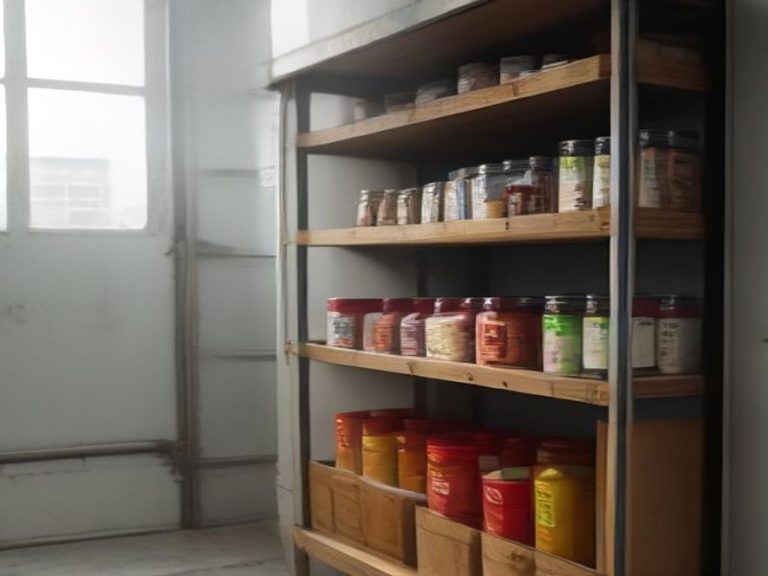
Visibility is key to reducing clutter. One simple tip: decant your dry goods into clear containers so you can see exactly how much you have. This prevents overbuying and means you won’t end up with three bags of flour because you forgot you had one in the back .
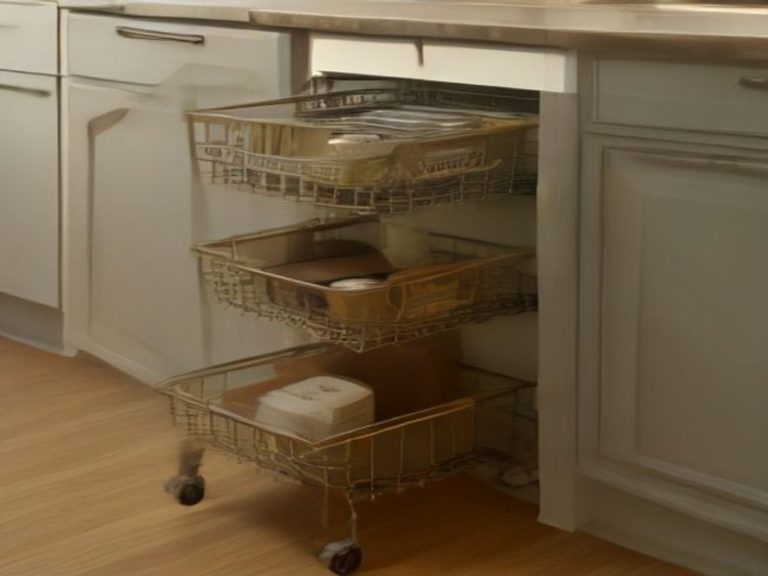
For deep shelves, the fix is installing pull-out drawers or sliding trays. This brings the back of the cabinet to you and makes everything visible and accessible .
Mistake 6: Believing Organization Myths
Professional organizers point to several myths that hold people back:
Myth: Everything needs a matching container. This prioritizes aesthetics over function and often makes it harder to fit things properly .
Myth: Your counters should be completely empty. Not true! If you use your toaster or coffee maker daily, keep it out. Taking it out and putting it away constantly is wasted time .
Myth: Like must always go with like. Sometimes it makes more sense to store things where you use them, even if it separates similar items. For example, a specialty spice you rarely use doesn’t need prime real estate in your main spice drawer .
Myth: If it fits, keep it. Just because something technically fits in your cabinet doesn’t mean you should keep it. Donate duplicates and items you haven’t touched in a year .
Mistake 7: Forgetting the “House-Hushing” Principle
A decluttering method called “house-hushing” offers a powerful reminder: clutter creates noise, and noise disrupts the quiet harmony of a functional space .
The method involves taking everything out of a space, letting it breathe (and deep-cleaning while it’s empty), and only putting back what you truly need. One blogger who tried this on her kitchen cabinets described pulling everything out and realizing she had items she’d completely forgotten about—a waffle maker she’d never used, mismatched lids with no bottoms, and enough storage containers for a small army .
The result? Cabinets that actually close without shoving, and a cooking space that feels easier to use .
Comparison Table: Common Mistakes and Solutions
| Mistake | Why It Makes Storage Worse | The Fix |
|---|---|---|
| Organizing before decluttering | You waste money on bins for things you don’t need | Pull everything out, sort, and purge first |
| No logical zones | Items are scattered, making cooking harder | Group items by where you actually use them |
| Organizing for looks | Daily-use items get buried behind aesthetic choices | Put the most-used items at the front |
| Overloading cabinets | Unstable stacks, items spill over, hard to reach | Leave 20% empty space |
| Fixed deep shelves | Items get lost, forgotten, and duplicated | Install pull-out trays or drawers |
FAQ: Your Cabinet Organization Questions Answered
1. Should I buy organizers before I start decluttering?
No. Professional organizers say this is the biggest mistake people make. Declutter first, then see what you have left to organize .
2. What’s the “zone” approach to cabinet organization?
It means grouping items where you actually use them. For example, a “baking zone” near your mixing area, or a “coffee zone” near your machine .
3. How much empty space should I leave in my cabinets?
About 20%. This allows space to breathe and prevents things from spilling over when you move items .
4. Why do I keep buying duplicates of things I already have?
You can’t see what’s in your deep cabinets or pantries. Use clear containers and tiered risers to improve visibility .
5. Should I store my spices near my stove?
No. Heat and steam from the stove can kill the flavor of spices. Store them in a cool, dry cabinet away from heat sources .
6. What’s “reverse decluttering”?
You pull everything out of your cabinets and only put back what you actually want to keep. This forces you to make active decisions about what stays .
7. How do I deal with deep, hard-to-reach shelves?
Replace fixed shelves with pull-out drawers or sliding trays. This brings the back of the cabinet to you .
A well-organized kitchen doesn’t require a designer budget or a Pinterest-perfect aesthetic. It requires a system that matches how you actually cook and move through your space. Start by decluttering ruthlessly, create zones that make sense for your daily routines, and prioritize accessibility over appearances.
Your kitchen should work for you—not the other way around.
Which cabinet in your kitchen drives you the craziest? Share your biggest organization struggle in the comments!
Practical Kitchen Cabinet Organization Tips and Expert Advice for a More Functional Cooking Space: