Best Cooking Tools for Making Homemade Bread: A Beginner’s Guide
You mix flour and water together, hoping for a beautiful loaf—but your dough is sticky, your crust is pale, and you’re left wondering what went wrong.
Making homemade bread is one of the most rewarding kitchen skills you can learn. But without the right tools, even a good recipe can leave you frustrated. The good news? You don’t need a kitchen full of expensive gadgets to bake great bread. The secret is having a few key tools that set you up for success.
TL;DR: The absolute essentials for bread baking are a digital kitchen scale (measuring by weight is non-negotiable), a large mixing bowl, and a Dutch oven or loaf pan. Beyond these basics, a bench scraper makes handling dough much easier, a thermometer ensures proper doneness, and a lame helps with professional-looking scoring. Start with the essentials and add specialty tools as you gain experience.
Key Takeaways:
- A digital kitchen scale is the most important tool—baking is chemistry, and weight measurements are precise
- A Dutch oven traps steam for a crispy crust; a loaf pan gives sandwich bread its classic shape
- A bench scraper is the MVP for handling sticky dough and keeping your workspace clean
- An instant-read thermometer takes the guesswork out of doneness—bread is fully baked at 190–210°F
- You can start with tools you already own; upgrade gradually as you become more confident
The Absolute Essentials: What You Really Need
According to expert baker Tara Jensen, all you really need to make bread is “your bare hands, a bowl, a basket, and a hot oven” . Here’s what that looks like in practical terms.
1. A Digital Kitchen Scale (The Non-Negotiable)
This is the single most important tool you will own for bread baking. Baking is chemistry, and chemistry requires precision. A cup of flour can weigh anywhere from 120g to 170g depending on how you scoop it—that 50g difference will dramatically affect your dough hydration and final loaf .
Professional bakers exclusively work in grams and percentages, not cups and teaspoons . A digital scale eliminates guesswork and ensures your results are consistent every time.
What to look for:
- Reads in 1-gram increments
- Has a tare (zero) function—place your bowl on the scale and press tare to subtract its weight
- Capacity of at least 5kg
- Basic models cost $10–$20
2. A Large Mixing Bowl
Bread dough needs room to grow. A bowl that’s too small makes mixing awkward and doesn’t leave space for the dough to double in size during fermentation .
What to look for:
- At least 4–5 quart capacity
- Glass bowls let you watch fermentation from the sides (genuinely useful)
- Stainless steel or ceramic also work well
- You almost certainly already own a bowl that works—no purchase needed
3. A Dutch Oven or Loaf Pan
This is where the baking happens, and your choice depends on what kind of bread you’re making.
Dutch Oven (for artisan, rustic loaves):
A heavy, lidded pot traps heat and steam, mimicking a professional steam oven. This is what gives homemade bread its crisp, golden crust and tender interior . The heavy lid holds moisture released from the dough, keeping the crust soft during the first part of baking and allowing maximum oven spring .
Preheat the Dutch oven before adding your dough for the best results . Enameled cast iron is the gold standard, but a heavy-bottomed stainless steel or ceramic pot with a tight-fitting, oven-safe lid can work as a budget-friendly substitute .
Loaf Pan (for sandwich bread and enriched doughs):
A standard 9×5 inch loaf pan gives dough shape and support, producing consistent, reliable results while you’re still learning to read dough consistency . When structure matters, a loaf pan provides even baking and easy release .
Material matters:
- Aluminized steel or light-colored metal: bakes evenly, produces golden brown crust
- Dark nonstick pans: can over-brown the bottom and sides
- Glass pans: conduct heat more slowly—good for beginners who tend to over-bake
The Level-Up Kit: Tools That Make a Big Difference
Once you have the essentials down, these tools make the process smoother and give more professional results .
4. Bench Scraper (Dough Scraper)
This simple, flat piece of metal or plastic becomes one of your most-used tools. It helps you:
- Move sticky dough from bowl to worktop and back with ease
- Divide dough into clean portions
- Clean your workspace of dried flour and dough bits
Top tip: Flour your scraper for a less sticky situation .
5. Instant-Read Thermometer
This tool answers two questions that plague beginner bread bakers :
- Is my water the right temperature for yeast? (Water should be 100–110°F)
- Is my bread fully baked?
For doneness: most lean breads are fully baked at 200–210°F, while rich breads are done around 190°F . This eliminates the guesswork of tapping the bottom of the loaf and hoping it sounds hollow.
6. Bread Lame
A lame (razor blade tool) is used to score dough before baking. Scoring isn’t just decorative—it controls how the bread expands in the oven, preventing unwanted cracks . The thin razor blade cuts smoothly without dragging the dough, unlike even your sharpest knife .
For beginners, start with a simple line across the top at a 45° angle, then get creative once you’ve mastered the basics .
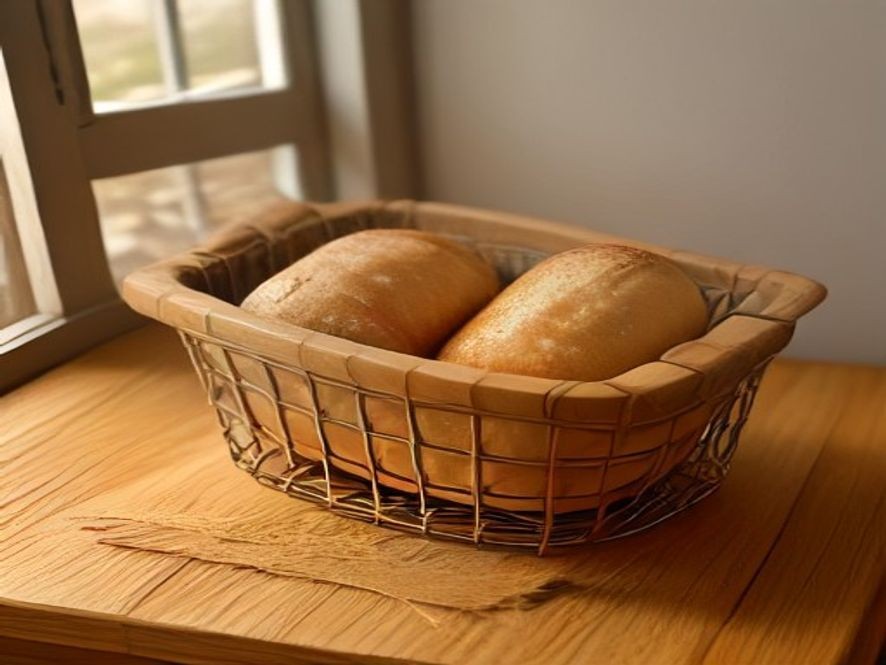
7. Proofing Basket (Banneton)
Bannetons help dough hold its shape during the final rise (proof) and create those signature flour rings on the crust . A proofing basket provides structure and confidence that you’ll get a nice rise and consistent shape .
What if you don’t have one? You can use an 8–9 inch bowl lined with a floured kitchen towel—it works just fine to start .
Optional Tools Worth Considering
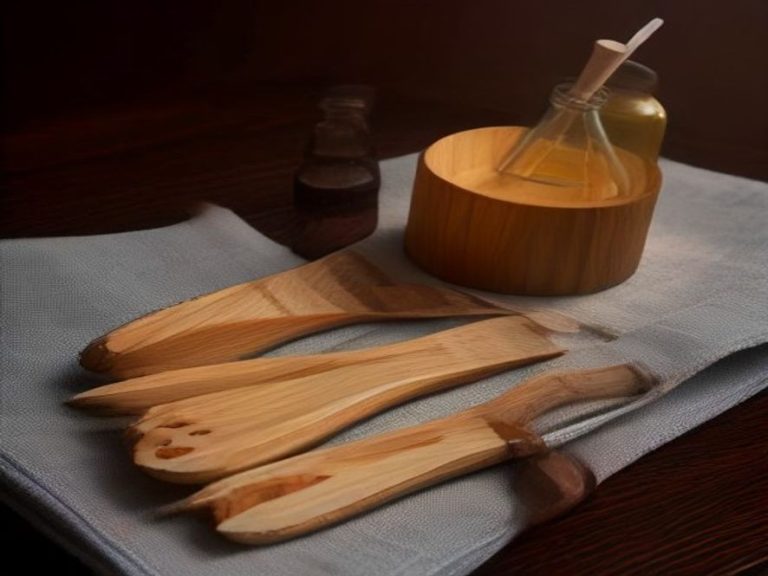
Dough Whisk
A sturdy whisk designed for thick, sticky doughs blends flour and water efficiently without overworking the dough . Expert baker Tara Jensen calls it “over the moon” and says it “will change your life” compared to using a spoon—it mixes without clumps and is the best value-for-money tool for bread making .
Parchment Paper and Bread Slings
Parchment paper eliminates sticking and speeds cleanup . Bread slings (reusable silicone or fabric) work the same way—they let you lower dough safely into a hot Dutch oven without burning yourself or deflating the loaf .
Wire Rack
A wire rack allows bread to cool properly after baking, preventing the bottom from getting soggy from trapped steam. Choose one with a woven grid for better support of delicate and heavy breads .
Stand Mixer with Dough Hook
While not essential, a stand mixer takes the work out of kneading. Its large capacity can handle generous amounts of flour, and its powerful motor kneads strong doughs without overheating . However, some bakers prefer mixing by hand for the tactile feedback it provides .
Comparison Table: Bread Baking Tools at a Glance
| Tool | Essential or Optional | Best For | Typical Cost |
|---|---|---|---|
| Digital Kitchen Scale | Essential | Precise ingredient measurement | $10–$20 |
| Large Mixing Bowl | Essential | Mixing and proofing dough | $0 (you likely own one) |
| Dutch Oven or Loaf Pan | Essential | Baking vessel | $20–$50 (loaf pan) / $50–$100+ (Dutch oven) |
| Bench Scraper | Level-Up | Handling dough, cleaning workspace | $5–$15 |
| Instant-Read Thermometer | Level-Up | Checking water and bread doneness | $15–$25 |
| Bread Lame | Level-Up | Scoring dough for controlled expansion | $10–$20 |
| Proofing Basket (Banneton) | Optional | Supporting dough during final rise | $15–$30 |
| Dough Whisk | Optional | Mixing ingredients without clumps | $10–$15 |
| Stand Mixer with Dough Hook | Optional | Kneading without hand work | $100–$400 |
What You Can Skip
You absolutely do not need a $400 proofing basket set, a specialty lame, or a steam injection oven . These are nice-to-haves, not requirements. Many people who go down the rabbit hole of bread baking equipment nearly convince themselves they need everything, but the truth is you can bake outstanding bread with equipment you probably already own .
Frequently Asked Questions
What is the most important tool for making homemade bread?
A digital kitchen scale. Measuring by weight is essential for consistent results—a cup of flour can vary by 20% .
Do I need a stand mixer to make bread?
No. You can knead by hand or use a dough whisk. A stand mixer is convenient but not necessary .
Can I bake bread without a Dutch oven?
Yes. You can use a loaf pan for sandwich bread, bake free-form loaves on a baking sheet, or use a heavy-bottomed pot with a tight-fitting lid as a substitute .
What temperature should bread be when fully baked?
Most lean breads are done at 200–210°F; rich breads at about 190°F .
What’s a good first bread to make as a beginner?
Start with a basic white sandwich bread using a loaf pan. It’s forgiving and teaches you the fundamentals .
Do I really need a proofing basket?
Not to start. A bowl lined with a floured kitchen towel works well as a substitute .
What’s the difference between a bench scraper and a dough scraper?
A metal bench scraper is flat and used on the work surface. A flexible dough scraper is used for handling dough in the bowl .
Which bread are you planning to bake first? Share your questions and goals in the comments.
References and Resources for Better Bread Baking: