
Smart Kitchen Gadgets People Buy but Rarely Use
That shiny new gadget promising to revolutionize your cooking might look amazing on social media—but for most people, it ends up gathering dust in a cabinet while your wallet feels significantly lighter.
We’ve all been there. You see a sleek appliance on TikTok, watch a mesmerizing video of perfectly crisp fries or fluffy pancakes, and suddenly you’re convinced your kitchen is incomplete without it. The marketing promises convenience, speed, and professional-quality results. Yet, as one tech reviewer put it, “Every kitchen has one, that one cabinet that’s a graveyard for all of the gadgets that were bought with the belief that it would completely transform cooking forever” . Driven by social media influencers showcasing trendy appliances for aesthetic rather than practicality, popularity for kitchen gadgets has gone into overdrive in recent years .
TL;DR
Many smart kitchen gadgets look incredible in ads but rarely get used in real life. Common culprits include smart fridges with clunky touchscreens, Wi-Fi microwaves that solve no real problem, single-use appliances like quesadilla makers and egg cookers, and bulky gadgets like bread makers and rice cookers that duplicate what a pot or pan already does. The best rule: if you won’t use it at least 20 times a year, it’s probably not worth the counter or cabinet space .
Key Takeaways
- Smart refrigerators with touchscreens cost thousands extra for features you can get on a $50 smart display—and users often stop using the smart features within months .
- Wi-Fi enabled microwaves are pointless—you’re standing right there anyway, and the apps are often clunkier than the control panel .
- Single-use appliances like quesadilla makers, popcorn machines, and egg cookers duplicate what a pan or knife already does with less cleanup .
- Bread makers and rice cookers take up massive space for something a pot and lid or a Dutch oven can handle just as well .
- Sous vide machines often create more setup and cleanup than they’re worth for everyday cooking .
- The “20-use rule” is your best defense: if you won’t use it at least 20 times a year, consider selling or donating it .
The Biggest Culprits: Gadgets That Look Smart but Aren’t
Smart Refrigerators: An Expensive Screen That Shows Ads
Smart refrigerators put a tablet on the fridge door, add Wi-Fi connectivity, and sometimes include cameras inside so you can peek at contents without opening the door . In theory, this sounds useful. In practice, it’s an expensive gimmick.
Most smart refrigerators, like the Samsung Family Hub, offer touchscreens where you can watch TV, see recipes, view family calendars, or leave notes. But as one reviewer bluntly put it: “If you’re thinking you can do all of that on literally any other smart screen in the house, or even with a Post-It note, the answer is yes” . Smart digital assistants like the Amazon Echo Show or Google Nest Hub offer the same touchscreen functionality for a fraction of the price—and you can place them anywhere, unlike a screen fixed to your fridge door .
Adding a touchscreen to a refrigerator has been described as “adding pockets to a wheelbarrow”—you’re solving a problem you didn’t actually have .
Wi-Fi Enabled Microwaves: Connectivity That Makes No Sense
Among the least useful smart gadgets, designers and renovation experts consistently place Wi-Fi enabled microwaves at the top of their skip list. Consumer complaints range from connectivity failures to clunky apps that offer fewer cooking options than the microwave’s own control panel .
And even when the app works, most people are already in the kitchen when reheating food, which makes the mobile controls completely unnecessary. Think about that for a second. You’re standing six feet away from the microwave. Why would you need an app to set the timer?
Sous Vide Machines: Too Much Setup, Too Little Reward
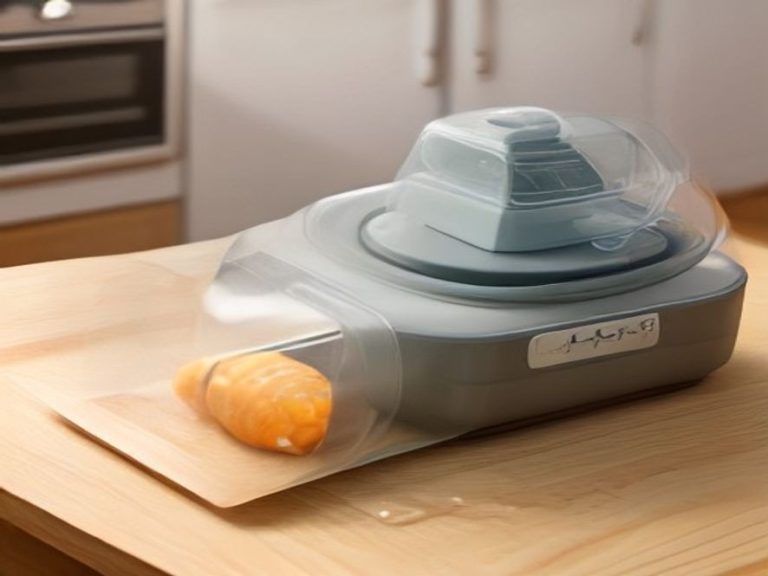
Sous vide machines are beloved by fine dining chefs, but for home cooks? They often create more work than they’re worth. Private chef Chuck Hayworth explains: “The amount of time wasted to set the machines up to temperature and seal all bags, I could have several dinners already prepared” .
For steak, Hayworth keeps it even simpler: “When it comes to steak, simply knowing your preference and cooking on a grill is how you finish the steak anyway. Why not start and finish on the grill, and leave the sous vide to the fine dining pros?”
Instant Pots: Popular but Often Overwhelming
Instant Pots are controversial because they’re undeniably popular, but many people buy one and end up using only one or two functions, or stop using it altogether because it feels complicated . “For everyday cooking, it often doesn’t save much time compared to normal cooking,” says recipe developer David Davidov .
His advice? “For most recipes, I just use a regular pot, pan, or oven, which gives more control and doesn’t require another bulky appliance on the counter” .
Convection Toaster Ovens: Redundant If You Have an Oven
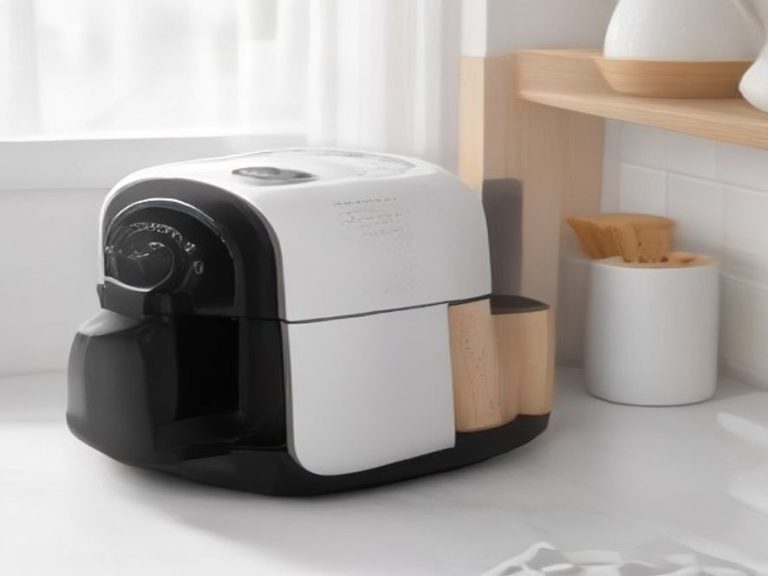
Air fryers and convection toaster ovens are undeniably popular, but if you already have an oven with a convection setting, they may be redundant . Private chef Chuck Hayworth notes: “Although they may be convenient, I have found these air fryers and convection toaster ovens have tons of issues with properly cooking different dishes on a convection setting” .
In general, small appliances cannot achieve the same results as your home oven, and sometimes they even take the same amount of time to reach temperature .
Bread Makers: A Bulky Novelty That Loses Its Magic Fast
Many people bought bread making machines thanks to the sourdough trend, but these bulky appliances often end up gathering dust after the novelty wears off . As one kitchen expert notes, if you bake weekly, keep it; otherwise, a Dutch oven can produce excellent crusty loaves with far less counter space .
Rice Cookers: One-Trick Pony That Takes Too Much Space
Rice cookers are designed to do just one thing, but that doesn’t mean they deserve a spot on the counter. “Rice cookers take up a lot of space for something a pot and a lid already do well,” says food creator Rachel Farnsworth. “I cook rice on the stovetop, which is just as reliable. If it only cooks rice, it doesn’t earn permanent counter space” .
Egg Cookers: The Poster Child for Unnecessary Gadgets
The egg cooker has become a symbol of everything wrong with the gadget market . It’s a single-use appliance for a food that can be prepared in dozens of ways using basic kitchen tools. One home cook admitted buying an egg cooker they’ve only used once, completely unprepared for the horrible screeching sound it makes when eggs are done, which scared both them and their cats to death .
Quesadilla Makers, Popcorn Machines, and Mini Donut Makers
These single-use appliances all share the same fatal flaw: they duplicate what a pan or pot already does, with more cleanup .
- Quesadilla makers: A quality frying pan with butter is all you need .
- Electric popcorn machines: Cleaning up oily residue is a hassle, and a pot with oil works just as well .
- Mini donut makers: You have to prepare batter, fill dozens of tiny molds, and then clean sticky surfaces everywhere—the fun wears off quickly .
Avocado and Banana Slicers
These gadgets have become internet memes for a reason. They do a job that a knife can do faster and more efficiently, with less cleanup . One user noted that avocado “mush loves to stick in the wires if you don’t rinse it right away” . Banana slicers have become a symbol of specialized kitchen gadgets that serve no real purpose .
Specialty Kitchen Gadgets: The Drawer Clutter Epidemic
Chefs consistently warn against an endless list of specialty gadgets: banana slicers, avocado slicers, silicon egg poachers, egg peelers, silicon ice cubes in cute shapes—all of them take up space and get used maybe once a year, if that .
Why Do We Keep Buying These?
The Social Media Trap
Popularity for kitchen gadgets has gone into overdrive in recent years, driven by social media platforms like TikTok. Influencers use whatever trendy appliance is popular for their ‘what-I-eat-in-a-day’ content—and let’s be real—it’s often for the aesthetic, rather than practicality .
The “AI” and “Smart” Label Trap
Manufacturers love slapping “smart” or “AI” on products to justify higher prices. As one industry expert noted, “That word alone has created such a stigma around it” . The reality is that many early smart kitchen products tried to solve problems consumers did not actually have. “A lot of people were putting smart features into products that you didn’t really need. I don’t think people understood why they needed Alexa to make coffee for them” .
The “Just in Case” Mentality
We convince ourselves we’ll use a gadget far more than we actually will. One home cook described buying a food chopper for garlic and herbs that required just as much work, was hard to clean, and didn’t do a good job . The kitchenware market is currently valued at about $9.4 billion, according to Grandview Research, and a big chunk of that money goes to gadgets collecting dust within months of purchase .
The Exceptions: When Single-Use Gadgets Make Sense
Not all single-purpose tools are useless. There are exceptions—tools that genuinely offer a non-replicable performance upgrade over a knife. Heavy-duty slicers used for pineapples and apples are worth keeping if you eat those foods often . They do three important things:
- They are safer to use (especially with tough skin and awkward shapes like pineapple)
- They keep things uniform (great for baking or fancy presentations)
- They save you a ton of time and effort
The key caveat? They are only worth it if you eat the food often. If you’re a daily apple devourer, a slicer tool is a must-have. If you buy a whole pineapple once a year, it becomes just another piece of single-use clutter .
How to Avoid the Gadget Graveyard Trap
The “20-Use Rule”
Use the practical “20-use rule”: if you don’t use a device at least 20 times a year, consider selling or donating it . For appliances that take up counter space, the threshold should be even higher.
The Pre-Buy Audit
Before buying any smart kitchen gadget, ask yourself:
- Do I already own something that does this? If a knife, spoon, pan, or your hands can do the job, you probably don’t need a specialized gadget.
- Does it actually save me time? If it only saves a few seconds and then you have to wash another tool, it’s not worth having.
- Does it pull double duty? The tools worth keeping work across hundreds of different dishes.
- Will I use this at least once a week? If not, it probably doesn’t earn its spot .
What Experts Actually Recommend Keeping
Instead of buying trendy gadgets, experts recommend investing in versatile basics:
- Digital kitchen scale for precision baking
- Quality chef’s knife (you only need 3-5 knives total)
- Cast iron pan or quality skillet
- Digital kitchen scale + compact food thermometer (under $50 combined for professional gains in consistency)
- Multi-cooker (only if you use multiple functions)
Comparison: Gadgets to Avoid vs. Better Alternatives
| Gadget to Avoid | Why It’s Not Worth It | Better Alternative |
|---|---|---|
| Smart refrigerator ($2,000+) | Touchscreens are clunky and redundant; you can do everything on a $50 smart display | Regular fridge + smart display |
| Wi-Fi microwave | You’re standing right there; apps are worse than control panel | Standard microwave |
| Egg cooker | One-trick pony; loud and annoying | Pot of water |
| Quesadilla maker | Duplicates what a pan does; harder to clean | Frying pan |
| Popcorn machine | Oily residue cleanup is a hassle | Pot with oil |
| Bread maker | Bulky; Dutch oven does better | Dutch oven |
| Rice cooker | Takes up too much space for one function | Pot with lid |
| Avocado/banana slicer | Knife does it faster; harder to clean | Chef’s knife |
FAQ: Common Questions About Unused Kitchen Gadgets
What is the most unused kitchen gadget?
Egg cookers, quesadilla makers, and avocado slicers are among the most regretted purchases .
Why do so many smart kitchen gadgets go unused?
They’re often impulse purchases driven by social media marketing, single-purpose tools, or features that don’t actually save time or improve cooking .
Are smart refrigerators worth the extra cost?
Usually not—you can get the same smart features from a $50 digital display, and the fridge’s touchscreen is fixed in one place .
What’s the best way to avoid buying gadgets I won’t use?
Apply the “20-use rule”—if you won’t use it at least 20 times a year, skip it .
What kitchen gadgets do chefs actually recommend?
Digital kitchen scales, quality chef’s knives, cast iron pans, and food thermometers are universally recommended .
Resources and Further Reading for Smarter Kitchen Purchases:
- Kitchen Items Chefs Say Are a Total Waste of Money – Real Simple
- 7 Kitchen Appliances Chefs Say Are a Waste of Money – Yahoo
- The Minimalist Chef: Which Kitchen Tech to Keep – WholeFood
- Household Gadgets Owners Say Ended Up Living In a Cabinet – Yahoo
Which gadget is gathering dust in your cabinet right now—or which one are you eyeing but unsure about? Share your thoughts in the comments.