Smart Kitchen Gadgets With App Control: Are They Worth It?
That moment when you are stuck in traffic, phone in hand, wondering if you remembered to turn off the oven, and you realize your “dumb” appliance is about to burn dinner—or worse.
The good news is that smart kitchen gadgets with app control exist to solve exactly this problem. Remote preheating, progress alerts, and even AI-powered cooking have moved from sci-fi dreams to everyday reality. But with prices ranging from $100 to over $5,000, a crucial question looms: is the convenience actually worth the cost?
What Smart Appliances Actually Do
Smart appliances connect to your phone via Wi-Fi or Bluetooth, allowing you to control and monitor them remotely . They fall into two main categories:
Smart appliances focus on connectivity and remote control—turning your oven on from the store or getting an alert when your air fryer finishes .
Intelligent appliances take it further, using AI and machine learning to adapt to your habits. These devices learn your preferences, adjust cook times automatically, and even recognize what you are cooking .
Some of the most common app-controlled gadgets include:
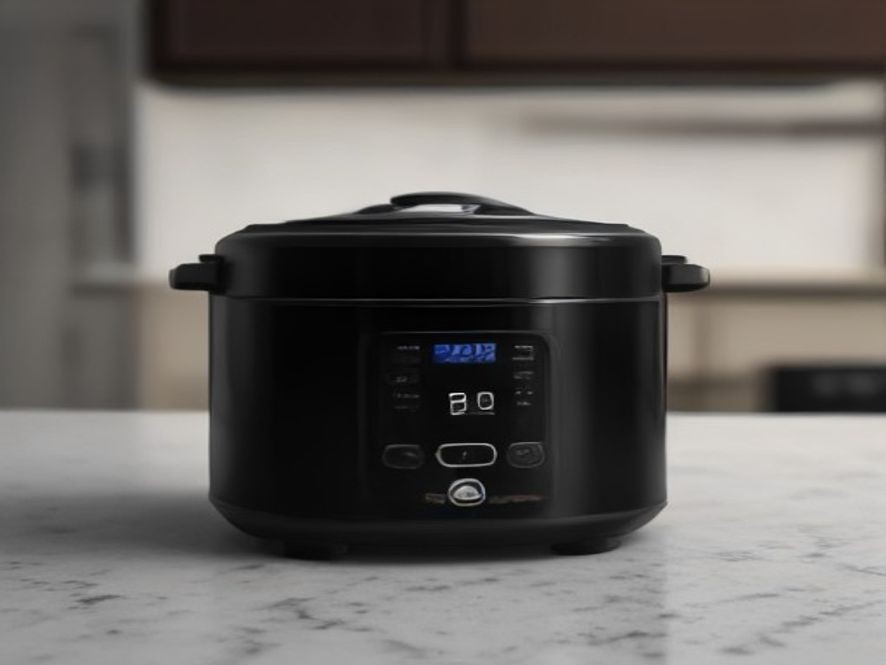
- Smart multi-cookers (like the Instant Pot Smart WiFi) let you monitor and control cooking from anywhere. The Wi-Fi version typically costs $90–$150, and one user described how they set their multi-cooker to start precisely when they left the office, arriving home to perfectly braised beef brisket .
- Smart thermometers like the Meater Plus offer wireless probes with app-guided cooking, helping even beginners nail the perfect steak .
- Smart ovens and air fryers from brands like Ninja and Breville often include app control, guided cooking, and remote monitoring. The Breville Smart Oven Air Fryer, at $350, is a Food & Wine favorite with 11 cooking modes .
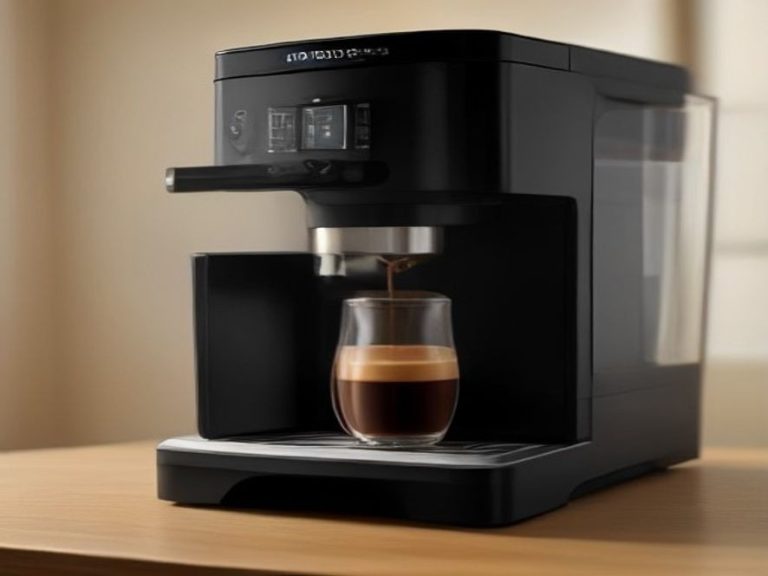
- Smart coffee makers like the Fellow Aiden let you schedule brews and customize your cup from your phone .
Where App Control Shines
For certain tasks, smart features genuinely transform the cooking experience.
Remote Preheating and Monitoring
Being able to start your oven or multi-cooker while you are still out is perhaps the most practical feature. As one reviewer noted about the Broil King Regal Q 590 Pro smart BBQ, the app-connected probes meant “I’ve stopped guessing and stopped overcooking, and a slow brisket I would normally have babysat for hours basically minded itself” .
Precision and Consistency
Smart sensors make a real difference. Models using PID algorithms adjust power output milliseconds at a time, preventing boil-overs and maintaining exact temperatures . The result is more consistent cooking, especially for demanding tasks like sous vide or slow braising.
Guided Cooking for Beginners
Devices like the Thermomix TM7 ($2,649 plus $89/year subscription) and Upliance 2.0 walk you through recipes step by step . The Upliance 2.0 tells you exactly which ingredients to weigh and prep at each stage, earning praise for being “as idiot proof as it gets” .
The Catch: Where Smart Features Fall Short
The Price Tag
Smart appliances cost significantly more. The GE Profile UltraFast Smart Air Fry Oven retails for $449—over $100 more than many quality non-smart ovens . A smart nugget ice maker from Ecozy runs $499 , and a smart induction cooktop can easily exceed $1,000 .
The “Does This Actually Help?” Problem
Not every smart feature is useful. The GE Profile UltraFast Oven lets you monitor cooking via app, but you still need to physically press buttons on the oven to start it—defeating the purpose of remote control . As one reviewer put it, a connected air fryer means you will “probably mostly just stand in front of it and use it like a normal person” .
Reliability and Connectivity Issues
Smart appliances depend on Wi-Fi and manufacturer servers. In dense apartment blocks, 2.4GHz Wi-Fi can suffer interference and disconnections . If the cloud server goes down, remote features vanish—and if the company stops supporting the app, your expensive appliance becomes “dumb” .
Privacy Concerns
When British consumer group Which? tested smart air fryers, they found some that requested permission to record audio through their phone apps, connecting to advertising trackers . Always check the brand’s privacy policy. Do they really need access to your microphone?
The Learning Curve
Despite promises of simplicity, some smart devices require significant effort. The Broil King smart BBQ took two people four hours to assemble and still needed a professional to finish . The Upliance 2.0, while guided, keeps you fully engaged throughout the cooking process—”you need to be on call all the time,” noted one reviewer .
The Subscription Trap
Some premium devices lock features behind subscriptions. Thermomix requires an $89/year Cookidoo subscription for guided cooking . Posha, a $1,500 robotic chef, demands a $15 monthly subscription . These ongoing costs add up.
Who Should Buy Smart Appliances
Smart appliances make the most sense for:
- Busy parents who need to cook remotely while handling kids or work
- Beginners who want guided recipe support
- Grilling enthusiasts who value precise temperature monitoring
- Tech enthusiasts who enjoy connected home ecosystems
Who Should Skip Them
They are probably not worth it if you:
- Are on a tight budget
- Prefer hands-on cooking
- Have unreliable internet
- Worry about privacy and data collection
- Are happy with your current appliances
The Bottom Line
App-controlled smart kitchen gadgets can be genuinely useful—when the features actually solve a real problem. Remote preheating, precision sensors, and guided cooking have helped many cooks achieve better results with less effort . But the extra cost, potential for obsolescence, and privacy concerns mean you should buy for a specific need, not just for the novelty .
Comparison Table: Smart vs. Regular Appliances
| Feature | Smart Appliances | Regular Appliances |
|---|---|---|
| Remote Control | Yes—preheat, adjust, monitor from phone | No—manual operation only |
| Price | Typically 30-100% higher | Significantly more affordable |
| Reliability | Dependent on Wi-Fi and servers | No connectivity-related failures |
| Ease of Use | Guided cooking helps beginners | Manual controls require skill |
| Privacy | Potential data collection concerns | No privacy risk |
| Longevity | Apps may lose support over time | Works as long as it physically functions |
FAQ: Common Questions About Smart Kitchen Gadgets
Do smart kitchen gadgets actually save time?
Yes, for tasks like remote preheating and automated stirring. However, some devices require as much attention as traditional cooking, so results vary .
Are smart appliances worth the extra cost?
If you value convenience and precision, possibly. For casual cooks, the added features may not justify the premium price .
What happens if the manufacturer stops supporting the app?
You lose smart features, turning the appliance into a standard one. This is a real risk with newer brands .
Do I need a subscription for smart cooking gadgets?
Some require subscriptions for advanced features. Thermomix requires $89/year for guided recipes . Always check before buying.
Do smart kitchen gadgets collect my data?
Some connect to advertising trackers and request microphone access. Review the privacy policy before purchasing .
Which smart kitchen gadget feature would you actually use? Share your thoughts in the comments.
References
Smart Kitchen Technology: Expert reviews and buying guidance for connected cooking appliances: