Why Is My Electric Stove Heating Too High on a Low Setting? Causes and Easy Fixes
You set your electric stove to a gentle simmer, but your sauce is bubbling furiously—and you’re left wondering why your burner seems to have a mind of its own.
An electric stove that overheats on a low setting is more than just an annoyance; it can burn your food and even pose a safety risk. Fortunately, in most cases, this problem points to a single, fixable cause. Let’s break down why this happens and how you can safely get your stove back under control.
TL;DR
- A faulty infinite switch is the most common culprit—this part controls the power to the burner, and when it fails, it can get stuck sending maximum voltage
- Incorrect knob placement on stoves with dual or triple elements can make the heat seem wildly incorrect
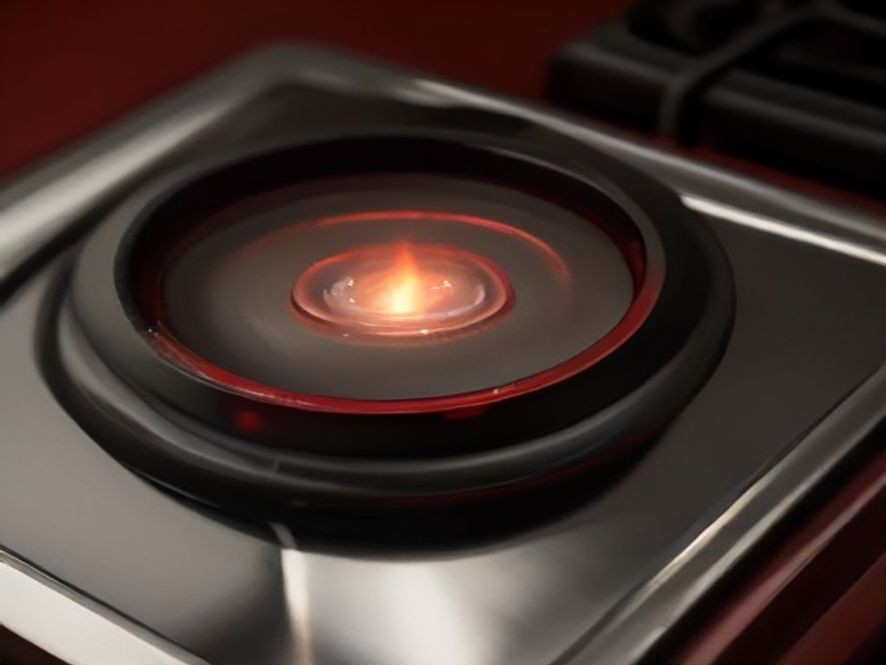
- Radiant elements cycle on and off to maintain temperature; seeing them glow bright red on “Lo” is a sign of a problem
- Start with the simplest checks: ensure the knob is on the correct stem and try a different element of the same size
- For most people, replacing the infinite switch is the solution—it’s a common DIY repair with step-by-step guides available
The Real Causes Behind an Overheating Stove and How to Fix Them
An electric stove burner that stays on high, even when turned down, has a few potential causes. Here are the most common ones.
Why the Infinite Switch is Usually to Blame
The infinite switch (also called a surface element switch or simmerstat) is the control that regulates the power going to your burner . Think of it as the dimmer switch for your stove. It works by cycling the electricity on and off to maintain a specific temperature.
When this switch fails, it can get stuck in the “on” position, constantly sending maximum voltage to the heating element . This bypasses the temperature control entirely, meaning the burner stays on high heat no matter what the knob says . This is a very common problem, especially on older stoves.
The symptom is classic: the burner is either completely off or stuck on high, with little to no in-between temperature control .
Other Potential Issues to Consider
While less frequent, a few other things could cause this problem:
- Incorrect Knob Placement: On stoves with dual or triple heating elements, it’s possible to put the control knob on the wrong stem. If the knob’s markings don’t match the element it’s controlling, you might be setting a larger element to high while thinking you’re using a smaller one on low .
- Defective Control Board: In newer stoves with digital or touch controls, a malfunctioning control board could be the issue . A faulty relay on the board might continuously send power to the burner, overriding your input.
- Loose or Damaged Wiring: A wire that is loose or burnt out can also cause erratic temperature behavior .
Step-by-Step Troubleshooting Guide
Start with the easiest checks before moving on to more involved repairs.
Step 1: Check the Knob
First, ensure the control knob is pushed fully onto the correct metal stem. For stoves with multiple element sizes, make sure the knob’s markings match the burner you’re using .
Step 2: Perform the “Room Temperature” Test
This is a great trick to confirm a problem. Start with the stove completely off and cool. Turn the suspect burner to the “Lo” setting. According to Samsung, you might see the element briefly glow, but it should not stay bright red. If it glows brightly and continuously, the switch is likely faulty .
Step 3: Test a Different Burner
To help narrow down the cause, you can try a simple swap. Turn off the power at the circuit breaker, then switch the suspect heating element with a working one of the same size. If the problem moves to the other burner, the original element was the issue. If the problem stays on the same burner, the infinite switch is the more likely cause .
Step 4: Inspect for Visible Damage
With the power still off, remove the burner and look for any visible damage like cracks, blisters, or burn marks on the element or in the socket it plugs into . Always unplug the appliance or turn off the circuit breaker before removing or inspecting burners.
Step 5: Replace the Infinite Switch (If Needed)
If the simple checks don’t solve the problem, the infinite switch is the prime suspect. This is a common and relatively straightforward DIY repair.
- Find the Right Part: Identify your stove’s model number and search for its specific infinite switch.
- Watch a Video Guide: Appliance parts websites often have detailed videos for this replacement, which can be very helpful .
- Carefully Rewire: Take photos of the wire connections before disconnecting anything. If the new switch looks slightly different, match the wire connections by the terminal labels (like L1, P, H1, etc.), not by their position .
Comparison Table: What’s Wrong and How to Fix It
| Problem | Most Likely Cause | Fix Difficulty |
|---|---|---|
| Burner stays on high no matter the setting | Faulty infinite switch | Moderate (DIY with a guide) |
| Heat seems incorrect on a specific element | Knob on the wrong stem for dual/triple elements | Very Easy |
| Different burner has the issue | Faulty heating element | Easy |
| Problem persists after switch replacement | Potential control board or wiring issue | Professional |
Frequently Asked Questions
Why does my electric stove burner get too hot on a low setting?
A faulty infinite switch is almost always the reason. This switch controls power to the burner, and if it fails, it can get stuck sending maximum voltage .
What is an infinite switch on an electric stove?
It’s the control knob assembly that regulates the power output to the burner by cycling it on and off. It’s also called a surface element switch or simmerstat .
Is it safe to use a burner that stays on high?
It’s not ideal. It poses a fire hazard and can damage your cookware and ruin your food. It’s best to avoid using that burner until it’s fixed.
Can a damaged burner element cause this issue?
Yes, but it’s less common than a faulty switch. A short circuit in the element itself could cause it to stay on high . Try swapping it with a working burner to test this .
An electric stove burner that overheats is frustrating, but the solution is often a single, replaceable part. By systematically checking the simple things first—knobs and elements—you can narrow down the problem. For most, replacing the infinite switch will get your stove back to cooking perfectly.
Which kitchen problem do you want solved next? Share your thoughts in the comments.
Trusted appliance repair resources for electric stove troubleshooting and maintenance: