Why Does My Dishwasher Stop Cleaning Dishes Properly? Causes and Easy Fixes
You open your dishwasher expecting sparkling clean plates, but instead find food residue, greasy film, or cloudy glasses—and you’re left wondering what went wrong.
A dishwasher that doesn’t clean properly is frustrating, but the good news is that the problem is usually something simple you can fix yourself. In most cases, it’s not a sign that your machine is dying—it’s a signal that a part needs cleaning or a habit needs changing .
TL;DR
- A clogged filter is the most common cause—when it’s dirty, food particles get recirculated back onto your dishes
- Blocked spray arms with clogged nozzles reduce water pressure and prevent proper cleaning
- Incorrect loading blocks water from reaching all items, leaving some dishes dirty
- Undissolved detergent tablets often point to spray arm issues or items blocking the dispenser
- Low water temperature prevents detergent from activating properly—your water heater should be at least 120°F
- Regular maintenance like cleaning the filter monthly and spray arms every few months prevents most problems
Key Takeaways
- Clean the filter at least once a month—it’s a quick 5-minute task that makes a huge difference
- Spray arm holes can get clogged with hard water sediment and food particles—clear them with a toothpick or wire
- Don’t block the detergent dispenser with large items or utensils placed directly above it
- Run hot water in your kitchen sink for 30–60 seconds before starting the dishwasher to ensure hot water enters immediately
- Use good-quality detergent and rinse aid—cheap detergents often leave residue
The Real Causes Behind a Dishwasher That Doesn’t Clean Properly
When your dishwasher stops cleaning properly, the problem usually falls into one of a few categories. Let’s look at the most common culprits and what you can do about them.
Why a Dirty Filter Affects Everything
The dishwasher filter is one of the most important parts you’ve probably never thought about. Its job is to trap food particles during the wash cycle, preventing them from being recirculated onto your clean dishes . When the filter gets clogged, water flow is restricted, and food debris ends up right back on your plates .
Modern, quieter dishwashers (typically made after 2010) usually have a manual filter that needs regular cleaning. Older models often have a self-cleaning filter with a grinder that breaks food down .
How to check: The filter lives at the bottom of the dishwasher tub, usually under the bottom rack. It’s typically a cylindrical unit that twists to unlock . If you see visible debris or a slimy film, it’s overdue for cleaning .
Clean your manual filter at least once a month, or more often if you run your dishwasher frequently . Self-cleaning filters need less attention, but it’s still worth checking periodically.
How Clogged Spray Arms Reduce Water Pressure
The spray arms are responsible for distributing water around your dishwasher. They spin and shoot water through tiny nozzles to clean every surface. Over time, these nozzles can get clogged with food particles, hard water sediment, and mineral deposits .
When the spray arm holes are blocked, water pressure drops, and the spray pattern becomes weak or uneven. Some dishes might stay dry, the detergent tablet may not dissolve properly, and food residue gets left behind .
Signs of blocked spray arms:
- Dishes on one rack come out dirtier than the other
- Detergent tablet hasn’t fully dissolved
- You hear unusual noises during the cycle
- Water isn’t reaching all the items
How to fix: Remove the spray arms (consult your manual for specific steps), use a toothpick or small wire to clear each nozzle hole, and rinse thoroughly. For stubborn buildup, soak the arms in warm water and vinegar . A wire coat hanger cut into small pieces can be an effective tool for pushing through stubborn clogs .
Clean the spray arms every few months to prevent sediment and food particles from building up .
Improper Loading: Water Needs Space to Flow
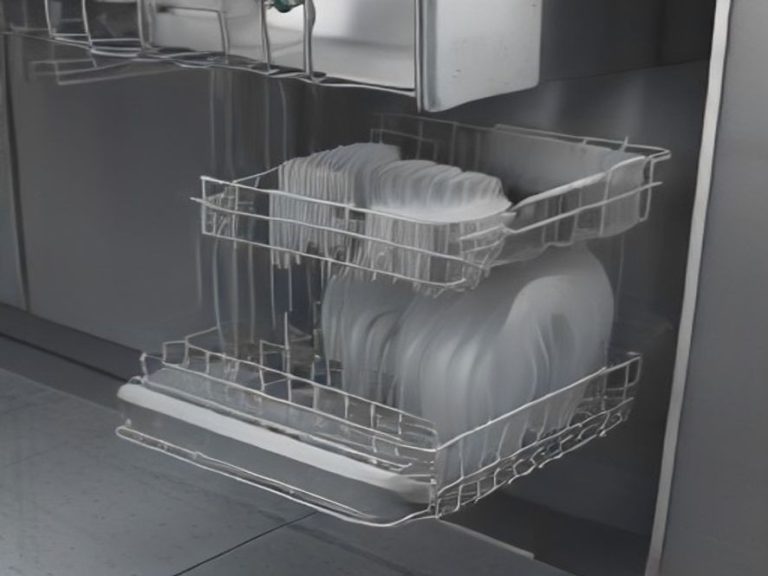
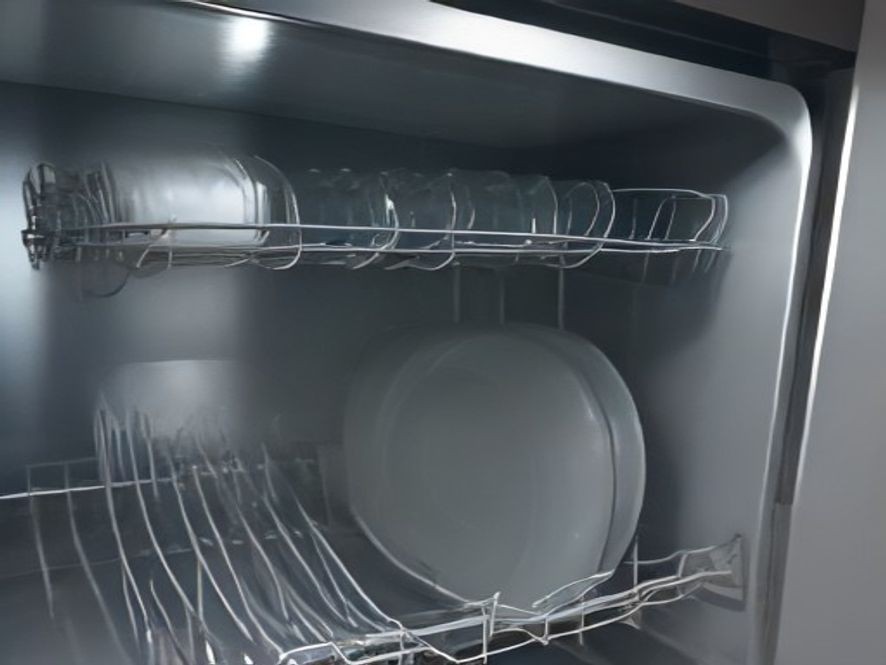
How you load your dishwasher directly affects how well it cleans. If dishes are stacked too closely, water can’t reach all surfaces, and you’ll end up with spots, residue, or completely missed items .
Common loading mistakes:
- Large bowls or pans blocking the spray arms from spinning freely
- Plates nested too tightly together
- Tall items in the top rack that stop the upper spray arm from turning
- Utensils placed directly above the detergent dispenser, preventing it from opening
Loading tips:
- Place cups and glasses in the upper rack, angled downward
- Put plates, pots, and pans in the lower rack where the spray is strongest
- Separate items so water can circulate freely
- Mix cutlery in the basket (forks and spoons together) to prevent nesting
- Place heavy, baked-on items facing downward
Always scrape off large food chunks before loading, but there’s no need to pre-rinse—modern dishwashers are designed to handle moderate food residue .
Why Detergent Problems Lead to Poor Cleaning
If your detergent tablet hasn’t dissolved at the end of the cycle, that’s a clear sign something is wrong . This usually happens because:
- The spray arms are blocked and water isn’t reaching the dispenser
- A large item is blocking the dispenser door from opening
- The dispenser spring or latch is broken
- You’re using low-quality detergent that doesn’t dissolve well
The fix: Use good-quality detergent that’s appropriate for your dishwasher. Avoid using too much detergent—it can leave residue . Always ensure nothing is blocking the detergent dispenser when loading.
Low Water Temperature and Inlet Issues
Most dishwasher cycles need water temperature of at least 120°F to work properly . If your water isn’t hot enough, detergent won’t activate, grease won’t dissolve, and dishes stay dirty .
How to fix:
- Check your water heater setting—it should be around 120°F
- Run the kitchen faucet for 30–60 seconds before starting the dishwasher to ensure hot water enters immediately
- If water is still cold, the dishwasher’s heating element or inlet valve might be failing
A failing inlet valve can also cause problems. It lets water flow into the machine, and if it’s faulty, you might notice low water pressure, fluctuating pressure, or a hammering sound during operation . This is one of the more complex repairs that’s best left to a professional.
Step-by-Step Fix Guide for a Dishwasher Not Cleaning Properly
Try these solutions in order—start with the simplest:
Step 1: Clean the Filter
- Empty the dishwasher and remove the bottom rack
- Locate the filter at the bottom of the tub (it looks like a short cylinder)
- Twist to unlock and lift it out
- Rinse under warm water, removing all food debris
- Use a soft brush and dish soap for stubborn grime
- Replace and lock it back into place
Step 2: Clean the Spray Arms
- Remove both the upper and lower spray arms (consult your manual for how)
- Check each nozzle hole for blockages
- Use a toothpick, small wire, or cocktail stick to clear each hole
- Rinse thoroughly under running water
- Soak in warm water and vinegar for stubborn buildup
- Reinstall and ensure they spin freely
Step 3: Run a Vinegar Cycle
- Pour 2–3 cups of white vinegar into the bottom of the empty dishwasher
- Run a full cycle on the hottest setting
- This helps dissolve grease, mineral deposits, and soap scum inside the machine
Step 4: Check Your Loading Habits
- Ensure nothing is blocking the spray arms
- Place large items at the sides, not in the center
- Don’t overload—give dishes space
- Make sure nothing blocks the detergent dispenser
Step 5: Check Water Temperature
- Run your kitchen faucet for 30–60 seconds before starting the dishwasher
- Check your water heater is set to at least 120°F
Step 6: Try a Dishwasher Cleaner
- Use a specific dishwasher cleaning product every 1–2 months
- This removes hidden grease and limescale buildup
Comparison Table: What’s Wrong and How to Fix It
| Problem | Most Likely Cause | Fix Difficulty | Best Fix |
|---|---|---|---|
| Food left on dishes | Dirty filter or blocked spray arms | Easy | Clean filter and clear spray arm nozzles |
| Cloudy glasses | Hard water deposits or too much detergent | Easy | Use rinse aid and correct detergent amount |
| Detergent tablet not dissolved | Blocked spray arms or items blocking dispenser | Easy | Clear spray arms and check loading |
| Water not draining | Clogged filter or drain hose | Easy–Moderate | Clean filter, check hose for kinks |
| Greasy film on dishes | Low water temperature or poor detergent | Easy | Run faucet hot first, use quality detergent |
| Dishes on one rack dirty | Clogged spray arm on that rack | Easy | Clean specific spray arm |
| Hammering sound during cycle | Failing inlet valve | Professional | Call a plumber |
Frequently Asked Questions
Why is my dishwasher leaving food on dishes?
This is almost always a blocked filter or clogged spray arms. Clean the filter and clear each spray arm nozzle with a toothpick. Also check that you’re loading correctly so water can reach everything .
How often should I clean my dishwasher filter?
Clean a manual dishwasher filter at least once a month, or more often if you run the machine daily. Self-cleaning filters need less maintenance but still benefit from occasional checks .
Why is my dishwasher tablet not dissolving?
The spray arms are probably blocked, or a large item is blocking the detergent dispenser door from opening. Clear the spray arm nozzles and check your loading .
Is vinegar safe for cleaning a dishwasher?
Yes, running 2–3 cups of white vinegar through a full cycle can help dissolve grease and mineral buildup. It’s a good first step when dishes aren’t coming clean .
Should I pre-rinse dishes before putting them in the dishwasher?
You should scrape off large food chunks, but there’s no need to thoroughly rinse. Modern dishwashers are designed to handle food residue, and pre-rinsing wastes water. In fact, food particles help the detergent work .
Why does my dishwasher smell bad?
A dirty filter is usually the culprit. Food trapped in the filter rots and creates odors. Clean the filter, then run a vinegar cycle or use a dishwasher cleaner to freshen the machine .
Can hard water affect dishwasher performance?
Yes. Hard water leaves mineral deposits that can clog spray arm nozzles and leave cloudy film on glassware. Using rinse aid helps, and if the issue is severe, consider installing a water softener .
A dishwasher that stops cleaning properly is almost always fixable. Start with the simple solutions—cleaning the filter and spray arms—and you’ll likely restore full performance. If those don’t work, check your loading habits, water temperature, and detergent quality. In most cases, a little maintenance is all it takes to get sparkling dishes again.
Which kitchen problem do you want solved next? Share your thoughts in the comments.
Trusted appliance repair resources for dishwasher troubleshooting and maintenance: