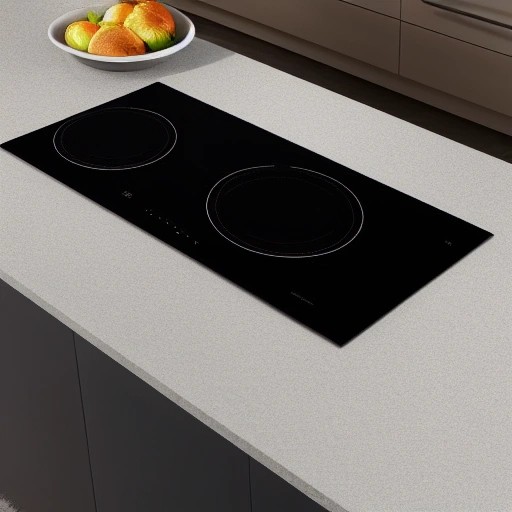

Why Did My Stove and Other Kitchen Appliances Stop Working Suddenly? A Complete Troubleshooting Guide
That moment when you turn on the stove and nothing happens—no heat, no click, no response—can bring your entire cooking routine to a sudden halt.
Whether you’re in the middle of preparing dinner or just trying to boil water for pasta, a dead stove or malfunctioning appliance is more than an inconvenience. It’s a disruption that affects everything from family meals to your daily schedule. The good news? Many of these sudden appliance failures have simple explanations and fixes you can handle yourself.
TL;DR
- Most kitchen appliances stop working due to power supply issues, faulty components, or simple wear and tear that builds up over time
- Circuit breakers, power cords, and outlets are the first things to check before assuming your appliance is broken
- Different problems point to different causes—one burner out usually means a bad element; the whole stove dead often means a power issue
- Regular kitchen cleaning and maintenance can prevent many common failures, saving you money on repairs
- When you encounter gas smells, sparks, or burning odors, call a professional immediately—these are serious safety hazards
Key Takeaways
- Check the power source first—a tripped circuit breaker or loose plug is responsible for many sudden appliance failures
- Isolated problems vs. complete failures help you narrow down the cause; one dead burner is different from the entire stove being unresponsive
- Visible damage like cracks, blisters, or burn marks on heating elements usually means it’s time for a replacement
- Gas stoves have their own unique issues including clogged burner ports, faulty igniters, and gas supply problems
- Safety comes first—never attempt to repair gas lines or serious electrical issues yourself
The Real Causes Behind Common Kitchen Appliance Problems and How to Fix Them
When your kitchen appliances stop working suddenly, the cause is often simpler than you’d expect. Understanding these common culprits will save you time, money, and unnecessary stress.
Why Your Stove Might Be Completely Dead
If your entire stove has stopped working—no burners, no oven, no lights on the control panel—the problem usually lies in the power supply. Here’s what to check:
Circuit Breaker or Fuse Issues: Your stove draws significant power, and it’s not uncommon for circuit breakers to trip. Head to your electrical panel and look for a breaker that’s in the “off” position or sitting halfway between on and off. Reset it by flipping it fully off, then back on. If it trips again immediately, you have a bigger electrical issue that needs professional attention .
Loose or Damaged Power Cord: Electric stoves plug into a dedicated outlet, and these connections can loosen over time. Unplug your stove and inspect the cord for any visible damage. While you’re at it, check the outlet itself for signs of burning or discoloration .
Gas Supply Problems: For gas stoves, check that the gas supply valve is fully open. A partially closed valve will restrict gas flow, resulting in weak flames or no ignition at all . If you smell gas, turn off the valve immediately, ventilate the area, and call your gas company from outside your home. Never try to locate a gas leak yourself .
This kind of basic troubleshooting can often resolve the issue without costing you a penny.
When Only One Burner Fails
If only one burner on your electric stove isn’t working, the problem is typically localized to that specific burner circuit. This is actually good news—it means the rest of your appliance is probably fine.
Heating Element Failure: Burner elements wear out over time due to repeated heating and cooling cycles. Look closely at the element for blisters, cracks, or breaks . If it looks damaged, it needs to be replaced. For stoves with plug-and-play burners, you can often swap the suspect burner with a working one to test if the element is the problem .
Burner Socket Damage: Sometimes the issue is with the receptacle the burner plugs into. Remove the burner and inspect the socket underneath. If it looks burned, charred, or corroded, the connections have failed and the socket needs replacement .
Loose Connections: Simply removing and firmly reseating the burner can sometimes fix intermittent heating issues. Burners that feel loose or wiggle easily may not be making proper contact .
Always unplug the appliance or turn off the circuit breaker before removing or inspecting burners.
Temperature Control Problems
Does your burner stay on high no matter what you do, or does it refuse to heat past warm? The culprit is often the infinite switch—the control knob mechanism that regulates power to the burner.
Switch Wear and Failure: These switches contain internal contacts that wear down with use. When they fail, the burner might receive constant power (staying on high) or insufficient power (barely heating) . This is a more complex repair that typically requires a professional.
Electronic Control Board Issues: Modern stoves with digital controls can suffer from control board failures. Symptoms include delayed responses, incorrect heat output, or multiple burners behaving inconsistently . These electronic problems require specialized diagnosis.
If your stove has electronic controls, resetting the appliance by turning off the breaker for a few minutes can sometimes clear temporary glitches.
Gas Stove Specific Issues
Gas stoves have their own set of common problems beyond the power supply checks:
Clogged Burner Ports: Over time, food spills, grease, and debris can block the tiny holes where gas flows. This results in weak, uneven flames or burners that won’t light. Remove the burner caps, clean them with warm, soapy water, and use a toothpick or pin to clear any clogs from the ports. Dry everything completely before reassembling .
Faulty Igniter: If your gas burner clicks but doesn’t light, the igniter might be dirty or failing. The igniter is a small ceramic rod near the burner. Wipe it clean of any residue. If it still doesn’t glow when you turn the knob, it may need replacement .
Thermocouple Problems: On older gas stoves, a faulty thermocouple can prevent gas flow by failing to sense the pilot flame. This is definitely a job for a professional, as it involves gas system components.
Kitchen Appliances Beyond the Stove
Sudden appliance failures aren’t limited to your stove. Here’s a quick look at other common kitchen problems:
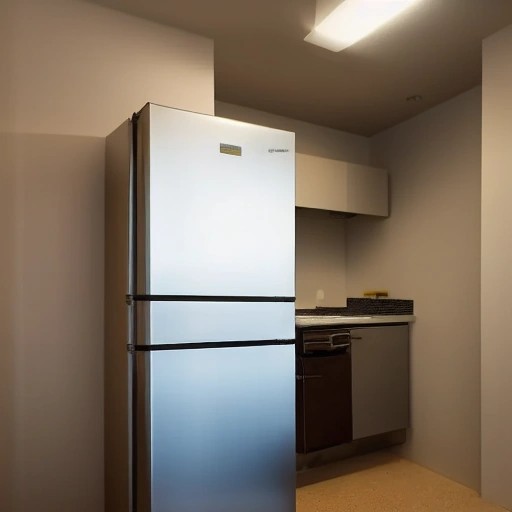
Refrigerators: A clogged condenser coil is a frequent culprit when a refrigerator stops cooling properly. Pull the fridge away from the wall and vacuum the coils at the back or underneath. Frost build-up often points to a stuck defrost timer or fan .
Dishwashers: When your dishwasher won’t drain, the filter or pump is often the problem. Remove the bottom rack, clean the filter, and check for debris in the pump area . A foul smell usually means the filter needs a thorough cleaning and the drain hose may be kinked .
Ovens: If your oven won’t heat, look for visible damage on the heating element at the top or bottom. Cracked or blistered elements need replacement. The oven’s temperature sensor can also cause problems—if it’s loose or faulty, the oven may think it’s already at temperature .
Regular maintenance of these components goes a long way in preventing sudden breakdowns.
When to Fix It Yourself and When to Call a Pro
Knowing your limits is just as important as knowing how to troubleshoot. Some repairs are perfectly safe for DIY, while others absolutely require a professional.
Safe DIY Fixes You Can Try
- Checking and resetting circuit breakers
- Plugging in a loose cord
- Replacing plug-and-play heating elements
- Cleaning burner ports and igniters
- Vacuuming refrigerator coils
- Cleaning dishwasher filters and spray arms
When to Call a Professional Immediately
- Gas odors of any kind—evacuate and call from outside
- Burning smells, sparks, or smoke coming from the appliance
- Control board failures or complex electronic issues
- Internal wiring problems or persistent circuit breaker tripping
- Gas valve or thermocouple issues
- Any repair requiring disassembly beyond basic parts
Attempting repairs on gas systems or internal electrical components without proper training is genuinely dangerous. A service call costs far less than a hospital visit or property damage.
Prevention: Keeping Your Kitchen Appliances Running Smoothly
Most sudden appliance failures can be prevented with regular maintenance habits:
- Clean your stove burners monthly—remove and scrub burner caps, wipe down surfaces, and clear any debris from ports
- Avoid dropping heavy cookware on glass-top stoves; cast iron and rough-bottomed pans can cause cracks
- Vacuum refrigerator coils every six months to ensure proper cooling
- Check power cords periodically for signs of wear or damage
- Keep your appliance manuals handy—they include model-specific troubleshooting tips
“Most kitchen problems come from small maintenance habits that are often ignored.”
Frequently Asked Questions
Why did my stove suddenly stop working?
The most common causes are a tripped circuit breaker, a loose power cord, or a faulty heating element. Start by checking your electrical panel and power connections before looking at internal components .
What should I do if my gas stove burner won’t light?
First, clean the burner ports and igniter to remove any food debris or grease buildup. If cleaning doesn’t help, check that the gas supply valve is fully open. For persistent issues, call a professional .
Is it safe to replace a stove heating element myself?
Yes, for plug-and-play elements on electric stoves, replacement is a safe DIY task. Always unplug the stove before removal. If the element is hard-wired or requires disassembling the stove, leave it to a professional .
How much does a professional stove repair cost?
Labor costs typically range from $100 to $300, with parts adding to the total depending on the problem. Control board replacements can cost $200–$600 in parts alone .
Why does my oven heat unevenly?
This is often caused by a faulty thermostat, a burned-out heating element, or a poor door seal. Check the element for visible damage first; if everything looks intact, call a repair technician .
Should I repair or replace my broken stove?
If the repair cost exceeds 50% of the replacement value and your stove is over 10 years old, replacement usually makes more financial sense. Newer stoves with minor issues are worth repairing .
Can power surges damage kitchen appliances?
Yes, power surges can damage sensitive electronic control boards in modern appliances. Using surge protectors on major appliances can help prevent this type of damage.
When your kitchen appliances stop working, the stress can be overwhelming—especially when you’re in the middle of preparing a meal. But with these troubleshooting tips, you can often identify the problem quickly and get back to cooking without a costly service call.
Which kitchen problem do you want solved next? Share your thoughts in the comments.
Expert resources for kitchen appliance troubleshooting and maintenance: