Why Does My Microwave Keep Tripping the Circuit Breaker? A Complete Troubleshooting Guide
You pop in a bag of popcorn, press “start,” and click—the kitchen goes dark, and your microwave is dead.
It’s frustrating, inconvenient, and can ruin dinner plans in an instant. If your microwave keeps tripping the circuit breaker, you’re dealing with one of the most common—and potentially dangerous—kitchen appliance problems. The good news? Most causes are straightforward to understand, and with the right guidance, you can figure out whether it’s a simple fix or time to call a pro.
TL;DR
A microwave that trips the circuit breaker is usually caused by an overloaded circuit (too many appliances sharing the same power source) or an internal electrical short in components like the door switches, high-voltage capacitor, magnetron, or transformer. Start by unplugging other appliances on the same circuit and testing the outlet. If the problem persists, the microwave likely has a faulty internal part—and because microwaves contain dangerous high-voltage components, you should call a licensed technician rather than attempting DIY repairs.
Key Takeaways
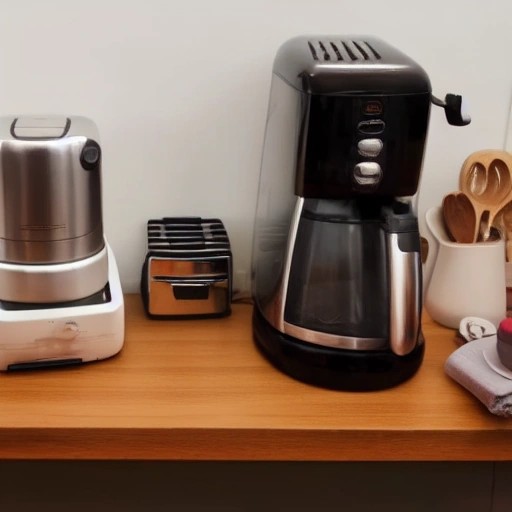
- A dedicated circuit is essential—microwaves draw 12–15 amps and should not share a circuit with other high-power appliances like toasters or coffee makers .
- Door switches are the most common internal culprit—when they fail, they can cause the breaker to trip immediately .
- Never attempt internal microwave repairs yourself—the high-voltage capacitor can store thousands of volts even after unplugging .
- Watch for warning signs—unusual buzzing sounds, burning odors, or visible flashes indicate a serious internal problem .
- If you’ve ruled out circuit overload and outlet issues, it’s time to call a professional appliance technician .
The Real Causes Behind a Microwave Tripping the Breaker and How to Fix Them
When your microwave keeps shutting off, it’s usually trying to protect you from an electrical hazard. The breaker trips for three main reasons: circuit overload, a short circuit, or a ground fault. Let’s break down the most common culprits.
Circuit Overload: Too Many Appliances Fighting for Power
This is the most common cause and the easiest to fix. Microwaves are power-hungry appliances—most draw between 12 and 15 amps when running . If your microwave shares a circuit with other high-draw appliances like a toaster oven, coffee maker, or refrigerator, the combined load can exceed the circuit’s capacity and trip the breaker .
How to Fix It:
- Check what else is on the same circuit—plug a lamp into the outlet and see which other outlets or lights turn off when you flip the breaker.
- Unplug other appliances from that circuit, especially high-power ones.
- Make sure the microwave is on a dedicated circuit—LG, Panasonic, and other manufacturers recommend a 15-amp or 20-amp dedicated circuit for their microwaves . This means nothing else should draw power from that circuit.
- If it still trips, the problem is likely internal to the microwave.
“A simple fix like moving your microwave to its own dedicated circuit can solve this problem and prevent future trips.”
Door Switch Failure: The Most Common Internal Culprit
Most microwaves have three or four door switches that ensure the appliance only operates when the door is securely closed . If one of these switches fails—particularly if it becomes stuck or shorted—it can cause the breaker to trip as soon as you try to use the microwave .
Warning Signs:
- The microwave trips immediately when you press “start”
- You hear a clicking sound when the door closes
- The microwave runs even when the door is open (stop using it immediately!)
What to Do:
Do not attempt to fix this yourself. Door switches are part of the microwave’s safety system, and the high-voltage capacitor can deliver a lethal shock even after the appliance is unplugged . Call a licensed appliance technician.
High-Voltage Capacitor Problems: Dangerous and Common
The high-voltage capacitor stores the electrical energy that powers the magnetron (the part that generates microwaves). If the capacitor shorts out, it can trip the breaker immediately when the microwave tries to run .
Warning Signs:
- A loud humming or popping noise
- A visible flash inside the microwave
- The microwave trips the breaker consistently, often immediately
Why It’s Dangerous:
The capacitor can store thousands of volts of electricity—even after you’ve unplugged the microwave . Never attempt to test or replace a capacitor yourself. Professionals have special tools to safely discharge the capacitor before working on it .
Magnetron Failure: The Powerhouse Malfunctions
The magnetron is the component that actually produces the microwaves that cook your food. If it shorts out, it can draw excessive current and trip the breaker .
Warning Signs:
- Unusual buzzing or humming sounds during operation
- A burning electrical smell
- The microwave takes much longer to heat food than it used to
- The breaker trips during cooking
What to Do:
Magnetron replacement is expensive—often costing more than a new microwave. A technician can diagnose whether it’s the magnetron or another component, and help you decide whether repair is cost-effective .
High-Voltage Transformer Failure: The Arc and Burn
The transformer steps up household voltage to the high voltage needed for the magnetron. When a transformer shorts out, it’s hard to miss—it will usually arc and produce a strong burning smell .
What to Do:
Stop using the microwave immediately. This is a fire hazard. Unplug the appliance and call a professional.
Aging Wires and Outlets: Sometimes It’s Not the Microwave
Over time, the electrical wiring and outlets in your kitchen can deteriorate. This increases resistance and can cause your microwave to draw more current than it should, tripping the breaker .
Warning Signs:
- Flickering lights when the microwave runs
- A buzzing sound from the outlet
- The microwave works fine in another outlet
What to Do:
Have a licensed electrician inspect your kitchen outlets and wiring. This is not a DIY project.
Step-by-Step Fix Guide: Troubleshooting Your Tripping Microwave
Follow these steps in order to safely diagnose the problem.
- Safety First: Check for any burning smells or visible damage. If you smell electrical burning or see smoke, unplug the microwave immediately and call a professional.
- Unplug Other Appliances: Make sure nothing else is running on the same circuit as the microwave. Reset the breaker and try the microwave alone .
- Test the Outlet: Plug a lamp or phone charger into the same outlet. If it doesn’t work, the outlet itself may be faulty .
- Try a Different Outlet: Plug the microwave into a different outlet on a different circuit (use a heavy-duty extension cord temporarily). If it works fine, the original circuit is the problem. Do not use an extension cord permanently .
- Listen Carefully: When you press start, do you hear a loud hum, buzz, or pop? Does it trip immediately or after a few seconds? This helps a technician diagnose the issue.
- If It Still Trips: Stop. The problem is internal. Do not attempt to open the microwave yourself. Call a licensed appliance technician.
Comparison Table: When to DIY vs. When to Call a Pro
| Problem | DIY or Call a Pro? | Difficulty | Cost |
|---|---|---|---|
| Circuit Overload | DIY (Unplug other appliances) | Easy | Free |
| Faulty Outlet | Call a Pro (Electrician) | Medium | $50 – $200 |
| Aging Wiring | Call a Pro (Electrician) | Hard | $150 – $500+ |
| Door Switch | Call a Pro (Technician) | Very Hard (Dangerous) | $100 – $250 |
| High-Voltage Capacitor | Call a Pro (Technician) | Very Hard (Dangerous) | $150 – $300 |
| Magnetron | Call a Pro (Technician) | Very Hard (Dangerous) | $200 – $400+ |
| High-Voltage Transformer | Call a Pro (Technician) | Very Hard (Dangerous) | $150 – $350+ |
Understanding Microwave Power and Your Kitchen Electrical System
Microwaves typically draw 12–15 amps . On a standard 15-amp circuit, that doesn’t leave much room for anything else. A circuit breaker is designed to trip when the current exceeds the circuit’s rated capacity by about 20%—so a 15-amp circuit should theoretically handle 15 amps, but sustained use at that level can cause nuisance tripping .
When planning your kitchen layout or upgrading appliances, consider the total amperage draw. A 1,200-watt microwave on a 15-amp circuit draws about 12 amps, leaving only 3 amps for other devices before the breaker trips . This is why manufacturers strongly recommend dedicated circuits for microwaves .
“Most microwave manufacturers recommend a dedicated 15-amp or 20-amp circuit, especially for models over 1,000 watts.”
FAQ Section
Q: Why does my microwave trip the breaker immediately when I press start?
A: This usually indicates a shorted internal component—most likely a faulty door switch or high-voltage capacitor . Stop using it and call a technician.
Q: Can a microwave trip a breaker even when it’s not running?
A: Not usually. If the breaker trips with nothing plugged in or with the microwave just sitting idle, the problem is likely with the outlet, wiring, or breaker itself .
Q: Does a microwave need a dedicated circuit?
A: Yes—most manufacturers require a dedicated 15-amp or 20-amp circuit for safe operation . The microwave should be the only appliance drawing power from that circuit.
Q: Can a power strip cause a microwave to trip the breaker?
A: Never plug a microwave into a power strip. Microwave ovens draw too much current for a power strip to handle safely . Always plug directly into a wall outlet.
Q: Is it safe to use a microwave that trips the breaker?
A: No. Frequent breaker trips indicate an electrical problem that could be a fire hazard or shock risk. Stop using the microwave until it’s diagnosed by a professional .
Q: How much does it cost to fix a microwave that trips the breaker?
A: Simple fixes like replacing a door switch cost $100–$250. Magnetron replacement can cost $200–$400+. If the repair cost approaches the price of a new microwave (often $300–$600), replacement may be more economical .
Q: Can a microwave trip the breaker if it’s too old?
A: Yes—older microwaves can develop internal faults over time, especially in components like the door switches and capacitor . If your microwave is over 10 years old and needs a major repair, replacement is often the better choice.
Learn more about microwave safety and appliance maintenance from these trusted sources:
- DIY Repair Clinic: Microwave Breaker Troubleshooting Guide
- Angi: Microwave Circuit Breaker Solutions
- The Home Depot: Appliance Repair Help
Which kitchen appliance problem do you want solved next? Share your thoughts in the comments.