How to Maintain a Gas Stove for Safe Everyday Use: A Complete Owner’s Guide
Your gas stove is one of the most powerful tools in your kitchen, but without regular care, it can become a safety hazard that affects your health and your cooking.
Imagine this: You’re trying to boil water for pasta, but the flame is weak and uneven. Or worse, you notice a faint smell of gas lingering after you’ve finished cooking. These aren’t just annoyances—they’re your stove telling you it needs attention. The good news is that most gas stove problems are completely preventable with simple, regular maintenance. Let’s walk through everything you need to know.
TL;DR
- Clean burner ports weekly with a toothpick or paperclip to prevent clogs and weak flames .
- Watch your flame color—a healthy flame is blue; yellow or orange means dirty burners or poor combustion .
- Ventilate every time you cook—use your range hood or open a window to remove harmful pollutants .
- Install both gas and carbon monoxide detectors near your kitchen for early warning of leaks .
- Schedule a professional inspection annually to check gas lines and connections .
Key Takeaways
- A clean stove is a safe stove. Grease buildup and food debris are the leading causes of burner problems and stovetop fires .
- Your flame tells a story. Blue flame = good combustion; yellow/orange flame = dirty burners or something wrong .
- Ventilation isn’t optional. Gas stoves release carbon monoxide and other pollutants that need to be vented outside .
- Never ignore the smell of gas. If you smell rotten eggs, leave immediately and call emergency services .
- Don’t attempt major repairs yourself. Always hire a licensed professional for gas line work .
The Real Causes Behind Gas Stove Problems and How to Fix Them
When your gas stove isn’t working right, it’s rarely a mystery. Most issues come down to cleanliness, wear, or installation problems.
Clogged Burner Ports: The Most Common Culprit
The small holes on your burners where gas ignites are called burner ports. Food spills, especially sugary sauces, can bake onto these ports and clog them . When that happens, you might notice:
- A lopsided or weak flame
- Yellow tips or soot on your cookware
- Endless clicking with no ignition
- A gas smell without a flame
Step-by-Step Fix Guide:
- Let the stove cool completely before you start cleaning .
- Remove the grates and burner caps. Soak them in warm, soapy water for at least 20 minutes .
- Clean the burner ports using a toothpick, paperclip, or a small brush. Never use metal pins or wires that can widen the holes .
- Scrub burner caps and bases with a toothbrush and warm, soapy water. Rinse and dry thoroughly .
- Wipe down the stovetop surface. Use a microfiber cloth and a cleaner safe for gas stovetops .
- Reassemble everything once completely dry. Make sure burner caps are centered and flush—if they’re not seated properly, the flame won’t be even .
- Test each burner to ensure the flame is blue and even.
Aim to clean your burner ports weekly, or at least whenever you notice performance issues .
The Flame Color Check: What It Means
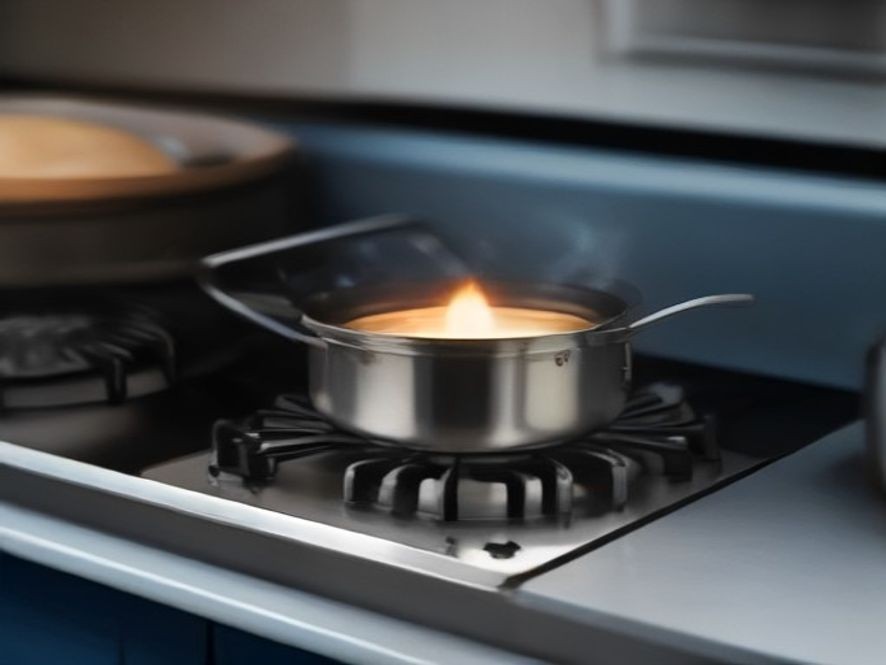
Your gas stove flame is a built-in diagnostic tool. A healthy gas flame is blue at the base with a slightly yellow tip .
What different flame colors mean:
| Flame Color | What It Means | What to Do |
|---|---|---|
| Blue (with small yellow tips) | Normal combustion | Nothing—this is ideal |
| Yellow or orange | Dirty burners or poor combustion | Clean burner ports and check ventilation |
| Yellow with soot on cookware | Blocked ports or gas pressure issues | Clean thoroughly; call a pro if it persists |
| Flickering or uneven | Clogged ports or misaligned cap | Clean and realign burner parts |
“A yellow or orange flame might indicate a problem with combustion or dirty burners” .
Ventilation: The Safety Habit Most People Forget
This is one of the most important safety tips for gas stoves. When you cook with gas, the flame produces combustion byproducts, including carbon monoxide and nitrogen oxides .
What you should always do:
- Use your range hood every time you cook .
- Open a window while cooking for additional airflow .
- Never use your gas oven or stove to heat your home—this can lead to carbon monoxide poisoning .
- Keep the range hood clean—grease buildup on exhaust fans is a fire hazard .
Professional Inspections: Your Safety Net
Even with the best DIY maintenance, you need a professional. Schedule an annual inspection with a licensed technician to check your gas lines, connections, and the overall condition of the appliance .
Call a professional immediately if:
- You smell gas (rotten egg odor) .
- There’s a hissing sound from the stove or gas line .
- Your carbon monoxide detector goes off while cooking .
- The flame is consistently yellow or orange despite cleaning .
- The igniter won’t light the burner at all .
Comparison Table: Gas Stove Cleaning Methods
| Cleaning Method | Best For | Effectiveness | Difficulty | Cost | Frequency |
|---|---|---|---|---|---|
| Warm, soapy water soak | Grates and burner caps | High | Easy | $0 | Weekly |
| Toothpick/paperclip | Clearing tiny burner ports | High | Easy | $0 | Weekly |
| Baking soda + vinegar soak | Stubborn grease and food | High | Easy | Very Low | As needed |
| Baking soda paste | Tough, baked-on stains | High | Easy | Very Low | As needed |
| Professional inspection | Gas lines and connections | Critical | Professional | Moderate | Annually |
Dos and Don’ts for Gas Stove Maintenance
DO:
- Clean spills as soon as the stove cools—this prevents baking and clogs .
- Wipe down the stovetop after each use .
- Use a gentle, non-abrasive sponge to avoid scratching surfaces .
- Check that burner caps are properly seated before cooking .
- Keep flammable items (dish towels, paper towels) away from the stovetop .
- Install both gas detectors and carbon monoxide detectors .
DON’T:
- Never use a wooden toothpick to clean burner ports—it can break off and block the gas flow .
- Never wash burner parts in the dishwasher .
- Never use abrasive metal scrubbers on burner caps or surfaces .
- Never leave cooking unattended .
- Never attempt to repair gas lines yourself .
- Never use oversized pans that can redirect heat toward the gas canister (for portable stoves) .
FAQ Section
How often should I clean my gas stove burners?
Clean burner ports weekly with a toothpick or paperclip, and do a deep clean of burner caps and grates at least once a month .
Why is my gas stove flame yellow instead of blue?
Yellow or orange flames usually mean dirty burner ports or poor combustion. Clean the burners thoroughly .
Can I use a dishwasher to clean burner parts?
No. The dishwasher can damage the burners and shouldn’t be used for these delicate components .
How do I know if my gas stove has a leak?
You’ll smell a distinct rotten egg odor. If you suspect a leak, evacuate your home immediately and call emergency services .
How often should I have my gas stove professionally inspected?
Schedule a professional inspection at least once a year to check gas lines, connections, and the overall condition of your appliance .
Is it safe to use a gas stove without ventilation?
No. Gas stoves produce carbon monoxide and other pollutants that need to be vented outside using a range hood or open window .
Why does my gas stove keep clicking but not lighting?
This could be a clogged burner port, food residue on the igniter, or a misaligned burner cap. Start by cleaning and repositioning parts .
Which kitchen problem do you want solved next? Share your thoughts in the comments.
Get more expert appliance care tips from these trusted sources: